
2025 Annual Report
In 2025, AFHE Senior Fellows' health equity work served over
35 MILLION
around the globe.
Collaborating for Lasting Impact
We offer Collaboration Funds to support projects that involve collaborations among Senior Fellows from the Atlantic Fellows for Health Equity program. The funds are meant to advance AFHE’s commitment to promoting innovative ideas, encouraging collective action and sharing the important work our fellows are doing with others. Learn more.
Co-Creating a Trauma-Informed Mental Health Tool With Children
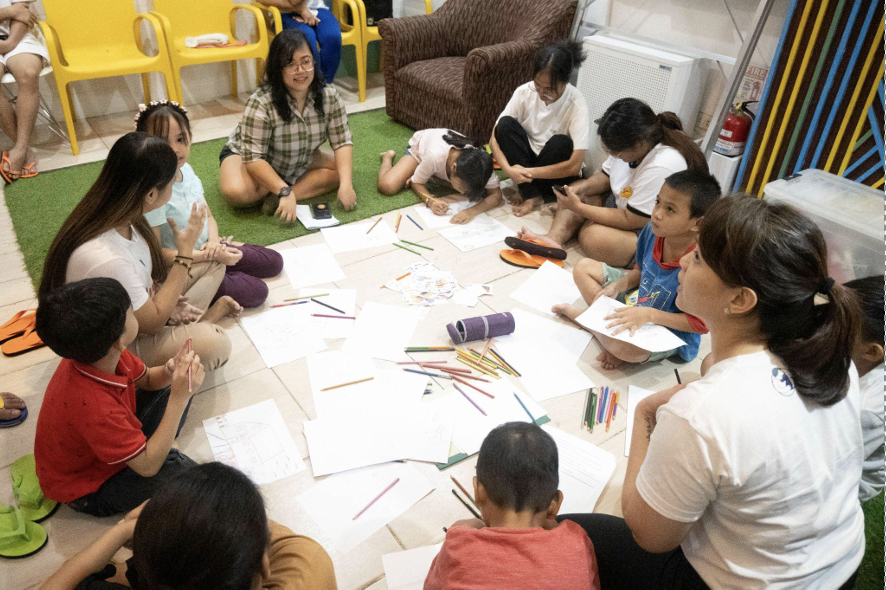
AFHE Senior Fellows Ginger Ramirez (2017 cohort), Ana Cecilia Ortega (2021 cohort) and Zulema García Ulloa (2023 cohort) and co-writer and designer Denden Parreno collaborated across Mexico and the Philippines to develop a trauma-informed children’s workbook designed for use in low-resource primary care and community settings. Illustrated and piloted with children and practitioners, the workbook underwent multiple revisions to improve accessibility and usability, including simplifying language, expanding opportunities for drawing and creative expression, and adding guidance for adult facilitators when sensitive topics arise. The final product is available in English and Spanish in both print and digital formats, with plans for broader dissemination through partner networks.
Strengthening Legal Protections for Frontline Maternal Health Workers in Uganda
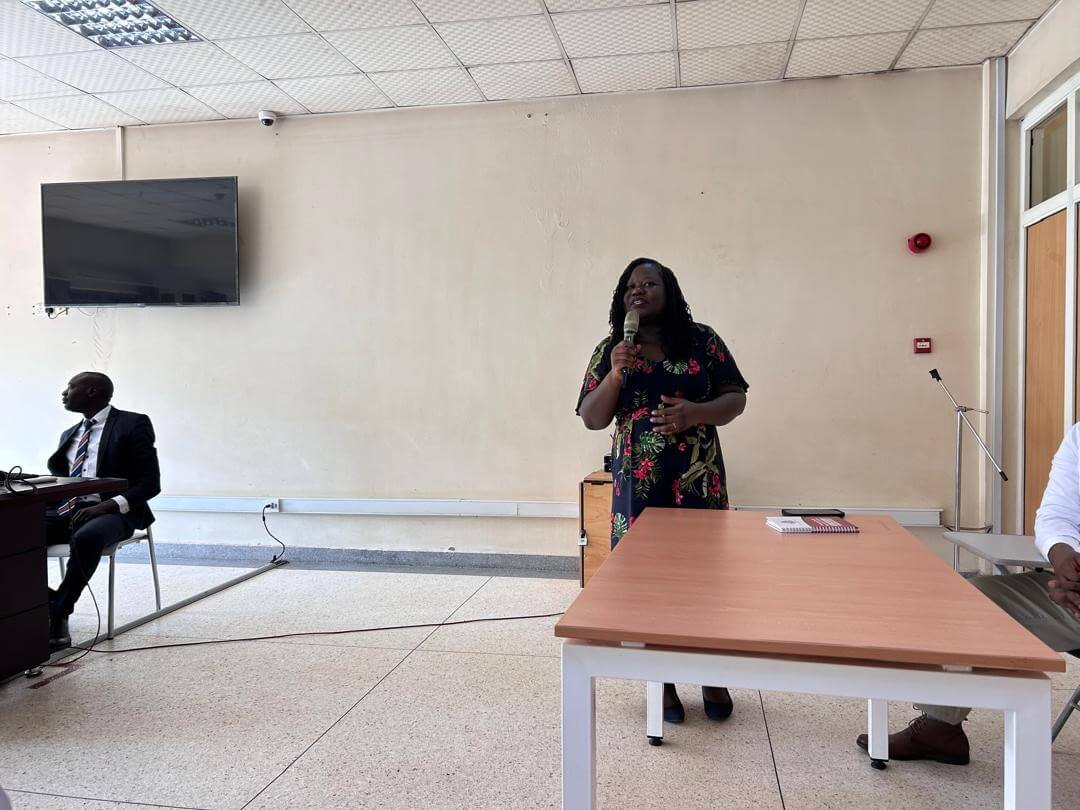
Mary Ajwang and Brigit Carter, both from the 2017 cohort, organized a pioneering legal empowerment training for 124 health workers at Kawempe National Referral Hospital in April 2025. The need is urgent: Uganda’s maternal mortality rate remains high at 189 deaths per 100,000 live births (2022), with Kawempe alone recording 992 maternal deaths from 2016–2021 — 84% of which were preventable and mainly due to systemic issues like delayed referrals and limited resources. This initiative marked a critical step in equipping Uganda’s health workers with the knowledge and support they need to protect themselves and advocate for safer, fairer maternal health care.
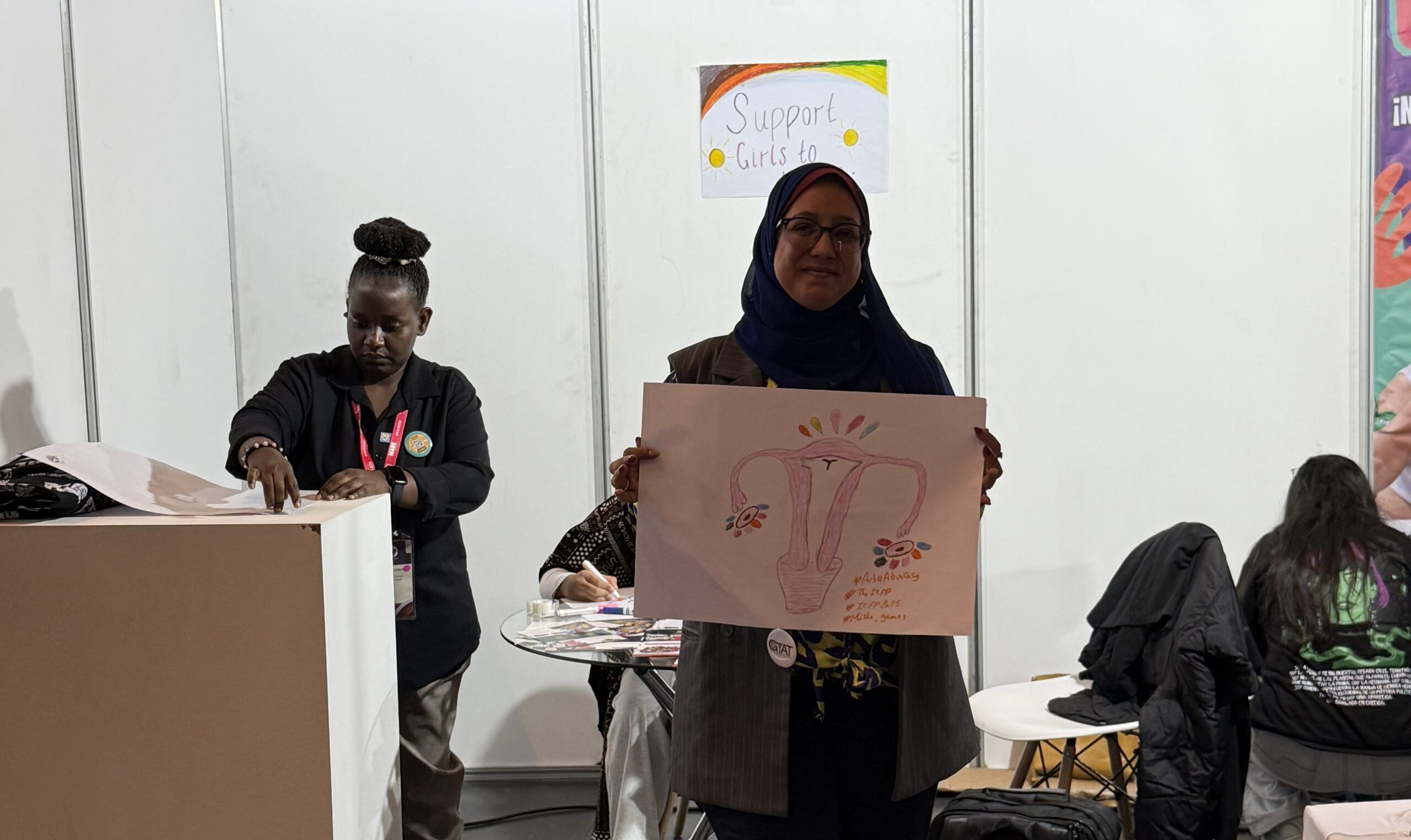
Advancing Youth-Led SRHR Through Global Collaboration
In November 2025, Naglaa Fathy and Kate Daugherty from the 2021 cohort presented their collaborative work at the International Conference for Family Planning in Bogotá, Colombia. Their presentation, “Youth Equipped with the Knowledge and Skills Necessary to Make Healthy Life Choices: OSRA Program as Proof of Positive Community Change Towards Better SRH and Voluntary FP Choices,” showcased the outcomes of an innovative community-based project that empowers youth and families with the knowledge and skills to make informed sexual and reproductive health and rights (SRHR) decisions. They also participated in the pre-conference Youth Summit, “Voices, Evidence, Action: An Intergenerational Movement for All,” which was a crucial space to network and share their experience working with youth around SRHR.
What this community does for me when we convene is energize me, remind me that I am not alone, that there are many like me who are trying to make this world better for everyone. It starts slow with changing perspective, when we are transported to a new place where we are reminded of how big the world is and how diverse it is in its views.”
Qusai Hammouri (2021 cohort)
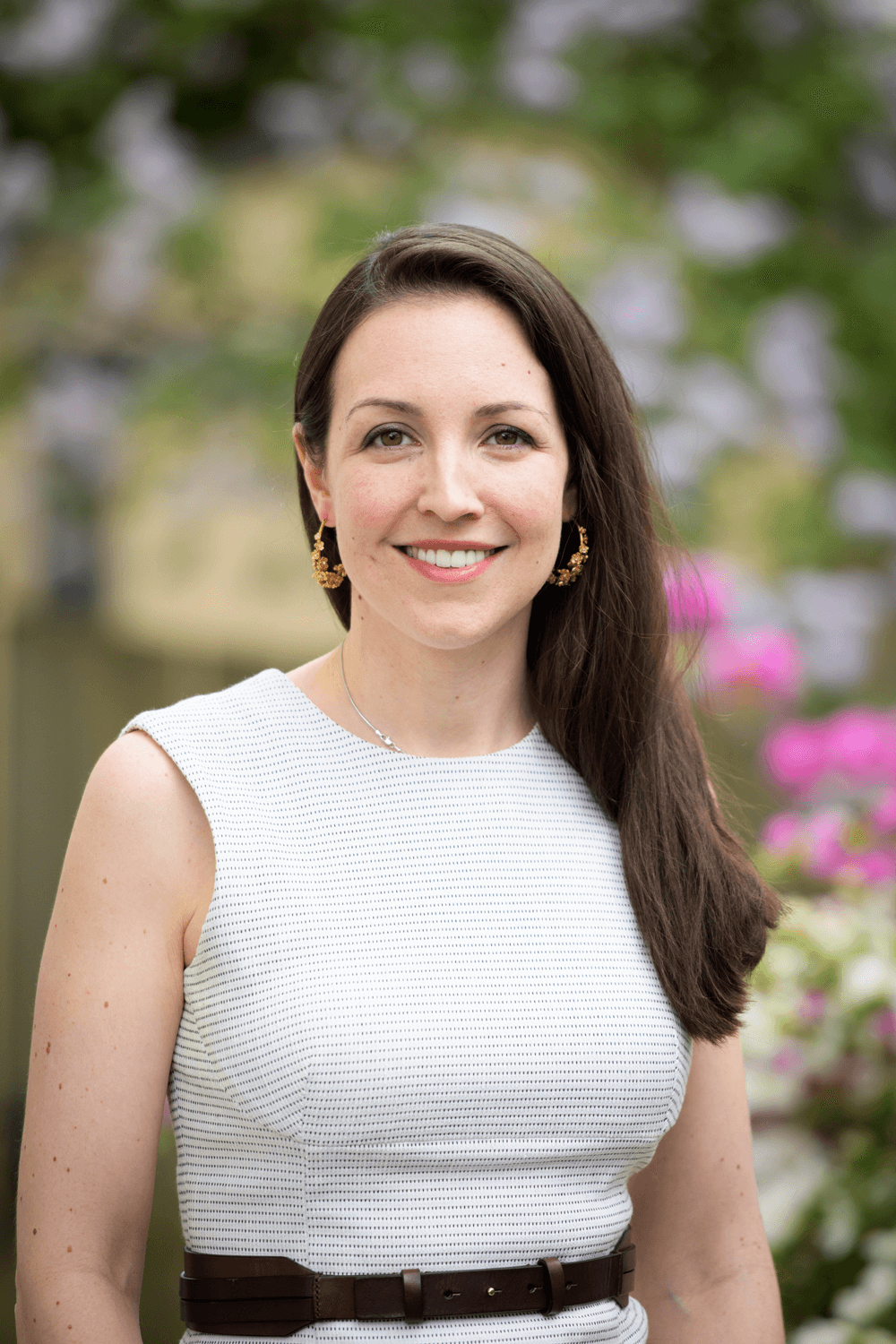
A Note from Our Executive Director
Behind the scenes, 2025 was a year of reexamination and renewal. We took a close look at the fellowship itself, launching a new curriculum to reflect our own learning as a program and respond to the changing environment for health equity leaders. We have deepened our commitment to innovation and sustainability, themes our fellows have consistently told us are essential to carrying this work
forward over the long term.
As we turn to our tenth anniversary in 2026–2027, we look forward to gathering our fellowship community to reflect on where we have been and to prepare for what comes next. If this year has shown us anything, it is that the strength of this fellowship has never been in a single convening or program. It is in the relationships and the way this community rallies around one another in moments of celebration and in periods of struggle.
Current Fellow Health Equity in Action
Because the Atlantic Fellows for Health Equity fellowship is non-residential, fellows remain rooted in their communities and organizations, putting new ideas into practice in real time. Throughout the year, they advance a health equity project while strengthening their leadership and deepening the impact of the work they’re already doing. Below are some examples of work from our 2025 cohort.
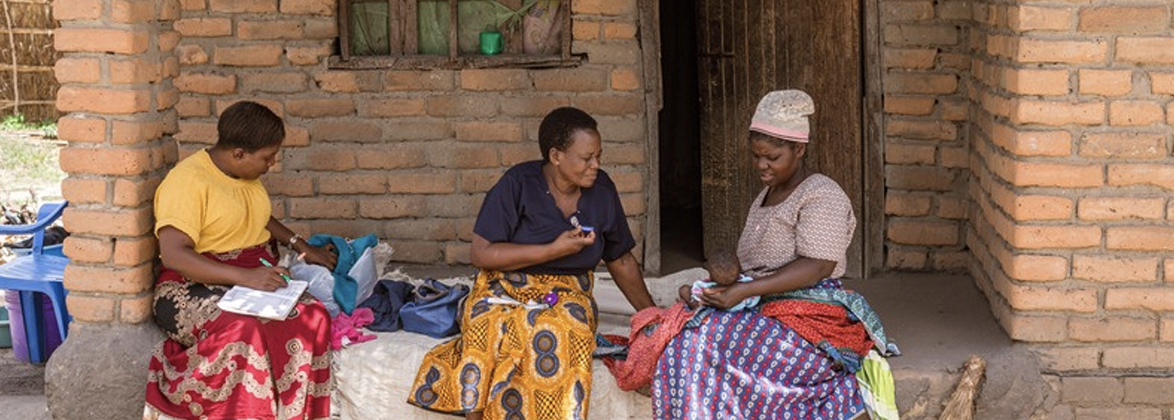
In 2025, Joanne Chiwaula’s organization Joyful Motherhood provided targeted, family-based care to 406 high-risk infants in Malawi, infants who, without specialized support, face markedly increased risks of illness and death due to maternal loss or serious maternal illness. With consistent nurse visits, nutrition support, and caregiver education, only two infant deaths occurred among those enrolled. Joyful Motherhood also supported 59 postpartum women recovering from severe birth complications, with marked improvements in mobility, pain management, self-care, daily functioning, and depression by program discharge. As the only NGO in Malawi offering this model of care, Joyful Motherhood continues to expand across districts, reaching families often overlooked by standard health systems while delivering highly cost-effective, life-saving support.
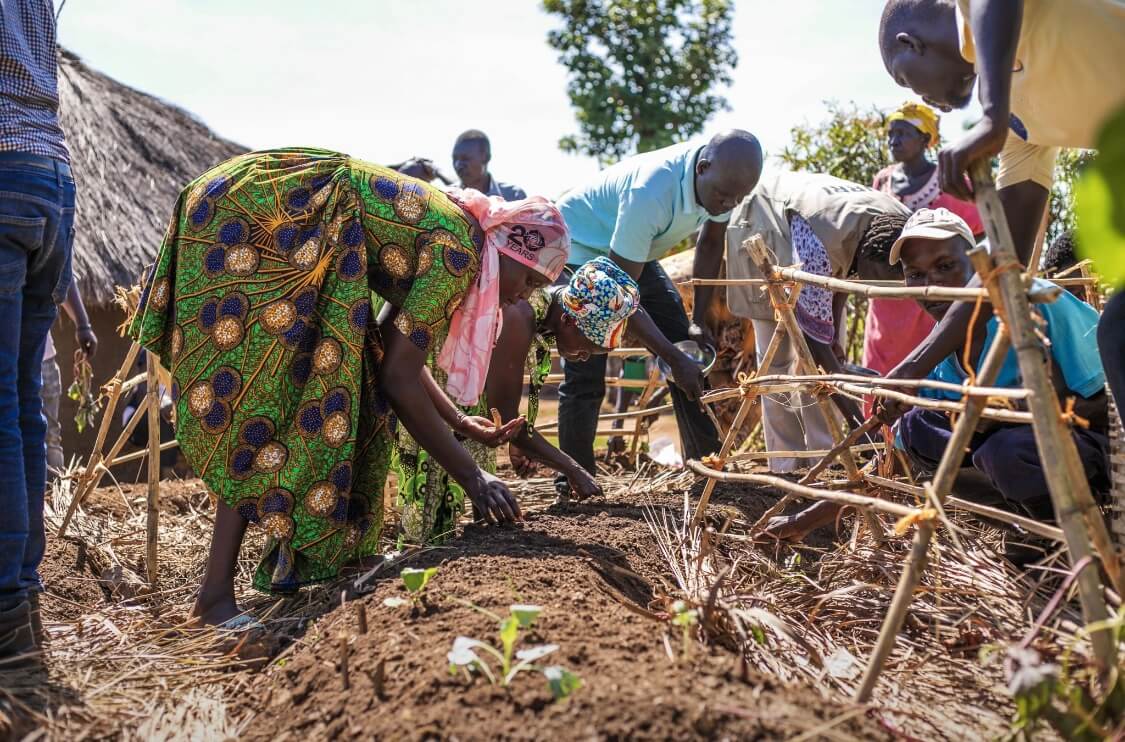
Implemented through the Initiative of Trans With a Mission–Uganda, the Trans-Harmony Farm, led by Gafidyn Rae Wesonga highlights a community-led, climate-resilient agriculture model for transgender and queer farmers in rural Eastern Uganda, demonstrating how lived experience can strengthen social cohesion and economic independence. The framework emphasizes that transformation starts within communities, with Gafidyn’s work bringing visibility and language to knowledge already being cultivated by queer, trans and gender-diverse women.
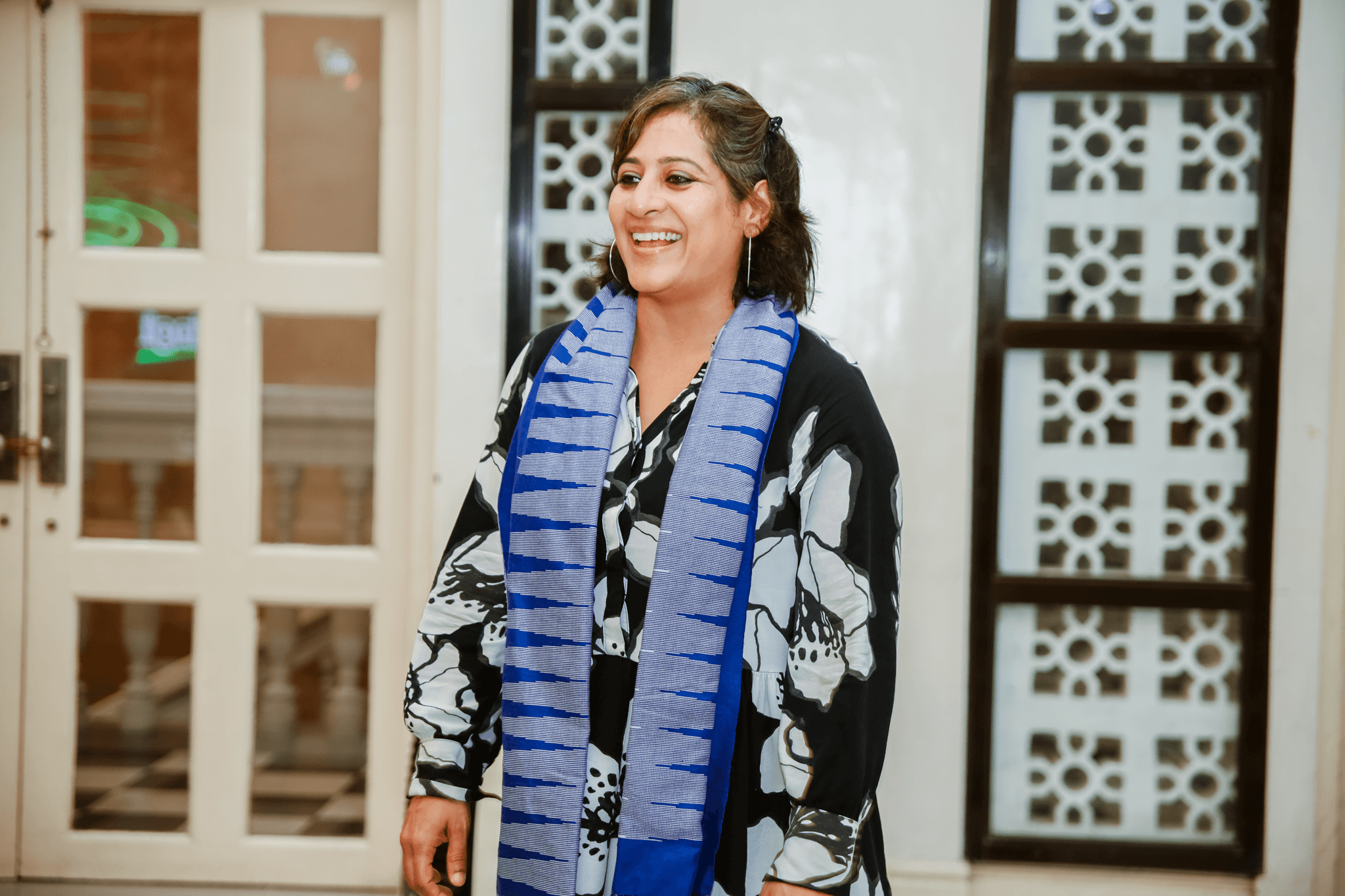
Nandita Thatte and her team led the development of the first-ever World Health Organization guideline for the prevention, diagnosis and treatment of infertility. Grounded in evidence and lived experience, the guideline frames infertility as a critical public health and equity issue, calling for affordable, respectful and science-based care to be integrated into national health systems. By addressing prevention, clinical pathways, psychosocial support and financial barriers, >b>this landmark work advances the right of individuals and families everywhere to decide how to build healthy families.
I’ve been trying to put into words how much this fellowship changed me, and honestly I’m still struggling to do so. When I first joined, I carried a cynical, pessimistic mindset, typical among Ministries of Health people everywhere. If there’s one thing I’m taking with me (and trust me there were many), it’s a can-do mindset and the realization of the opportunities lying ahead.”
Ali Alshalah (2025 cohort)
Senior Fellow Health Equity in Action
We’ve included just a few examples of the incredible work our Senior Fellows do in a given year. We invite you to explore more examples on our Impact Page.
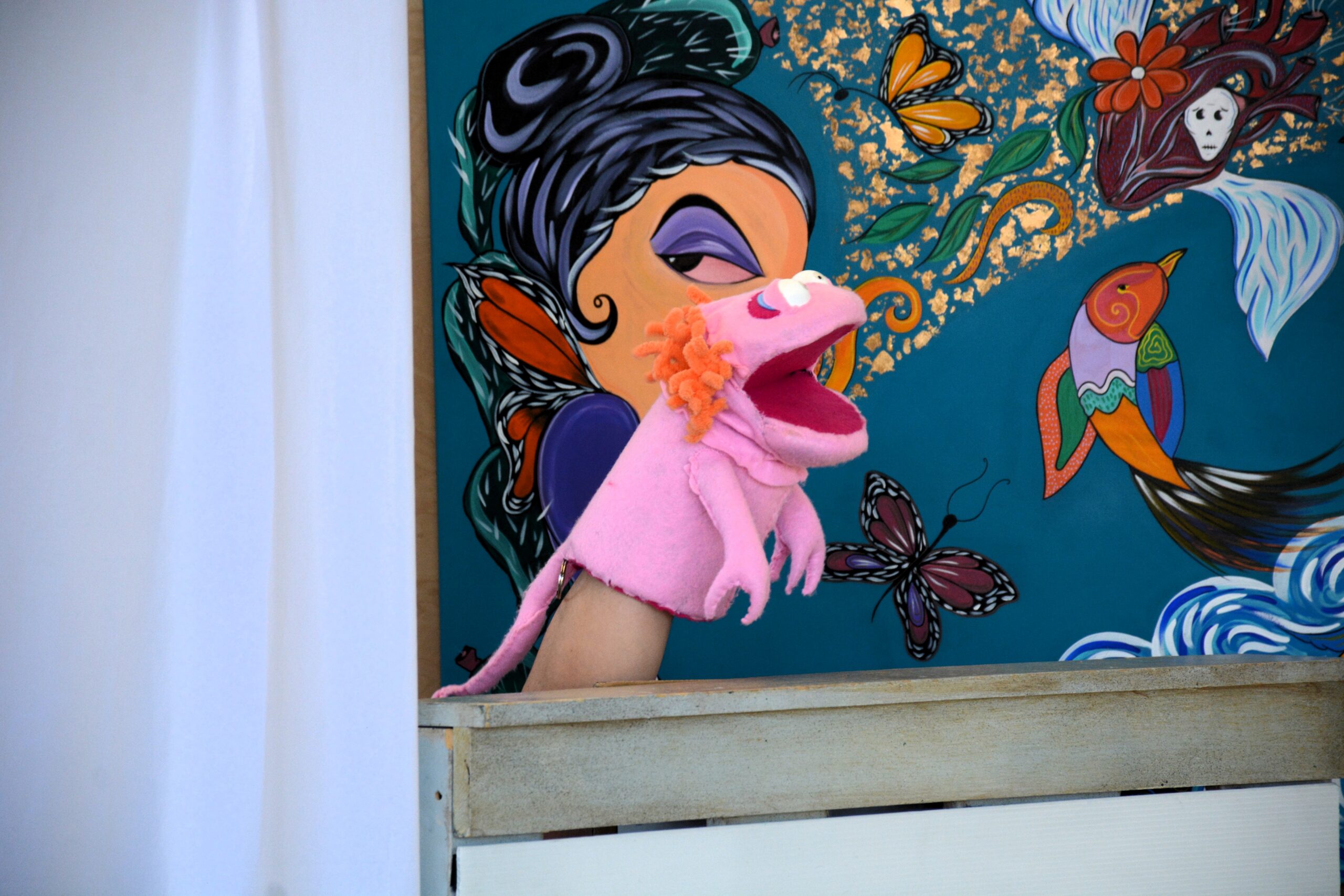
Connecting Culture, Community, and Water Science
Learn MoreLed by Gilberto Lopez (2020 cohort) and colleagues in Arizona, United States, the Agua es Vida: Interactive Exhibit, launched in 2025, uses interactive activities, murals, VR, and bilingual materials to make water science inclusive and culturally relevant. Visitors explore water systems to understand their impact and gain tools to advocate for their communities. This project encourages South Phoenix Latino communities to engage with their water systems and advocate for their communities’ perspectives and needs.
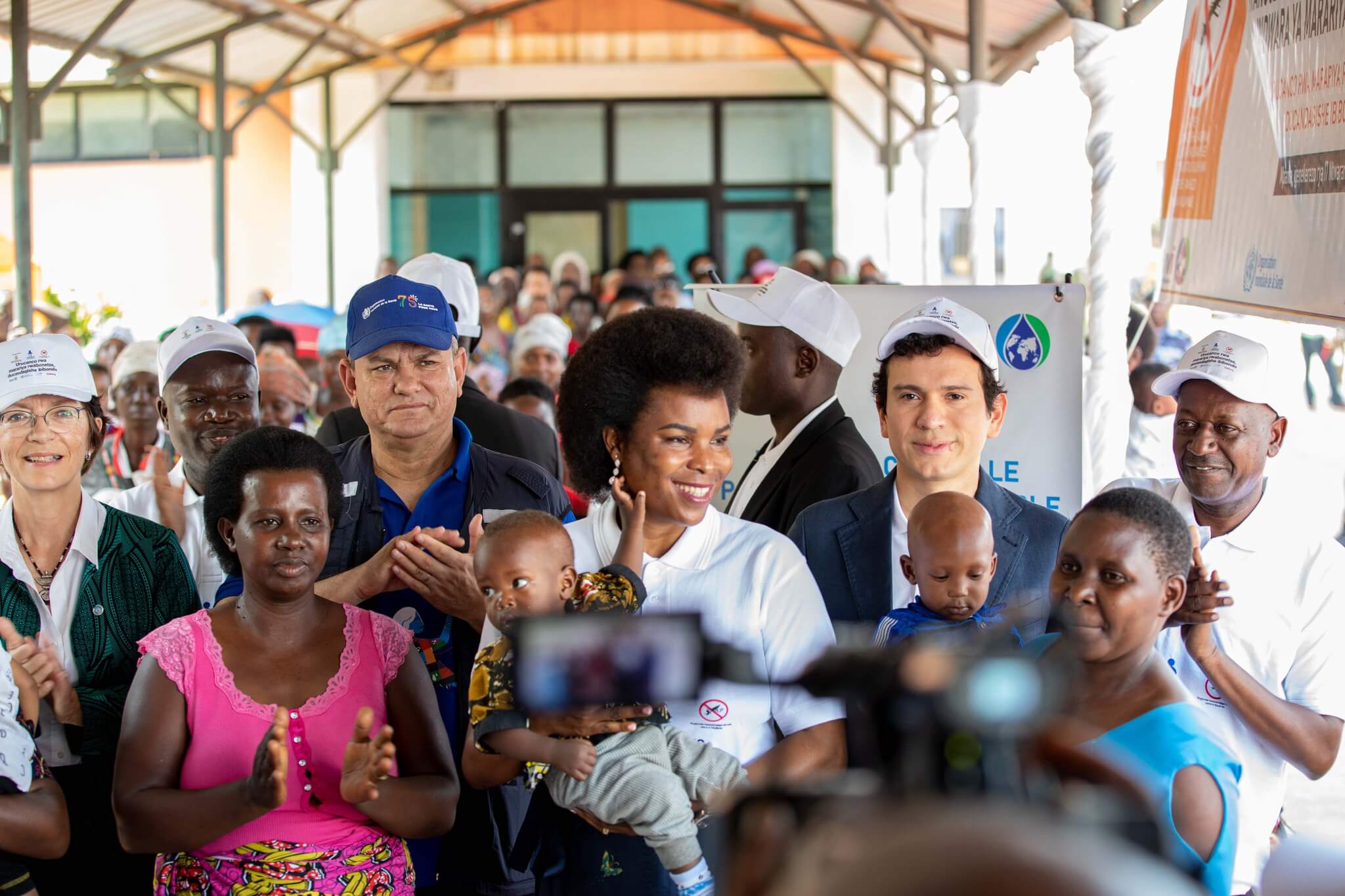
Launching the Malaria Vaccine in Burundi
Learn MoreMario Jimenez (2024 cohort) supported a major public health milestone with the launch of the malaria vaccine in Burundi in March 2025. The vaccine was rolled out to children aged 6–11 months in 25 high-burden districts and will complement existing malaria prevention efforts. Evidence from earlier introductions in other African countries shows the vaccine can significantly reduce severe malaria and child deaths, an impact expected to be felt quickly in Burundi, where malaria remains a leading cause of illness and mortality.
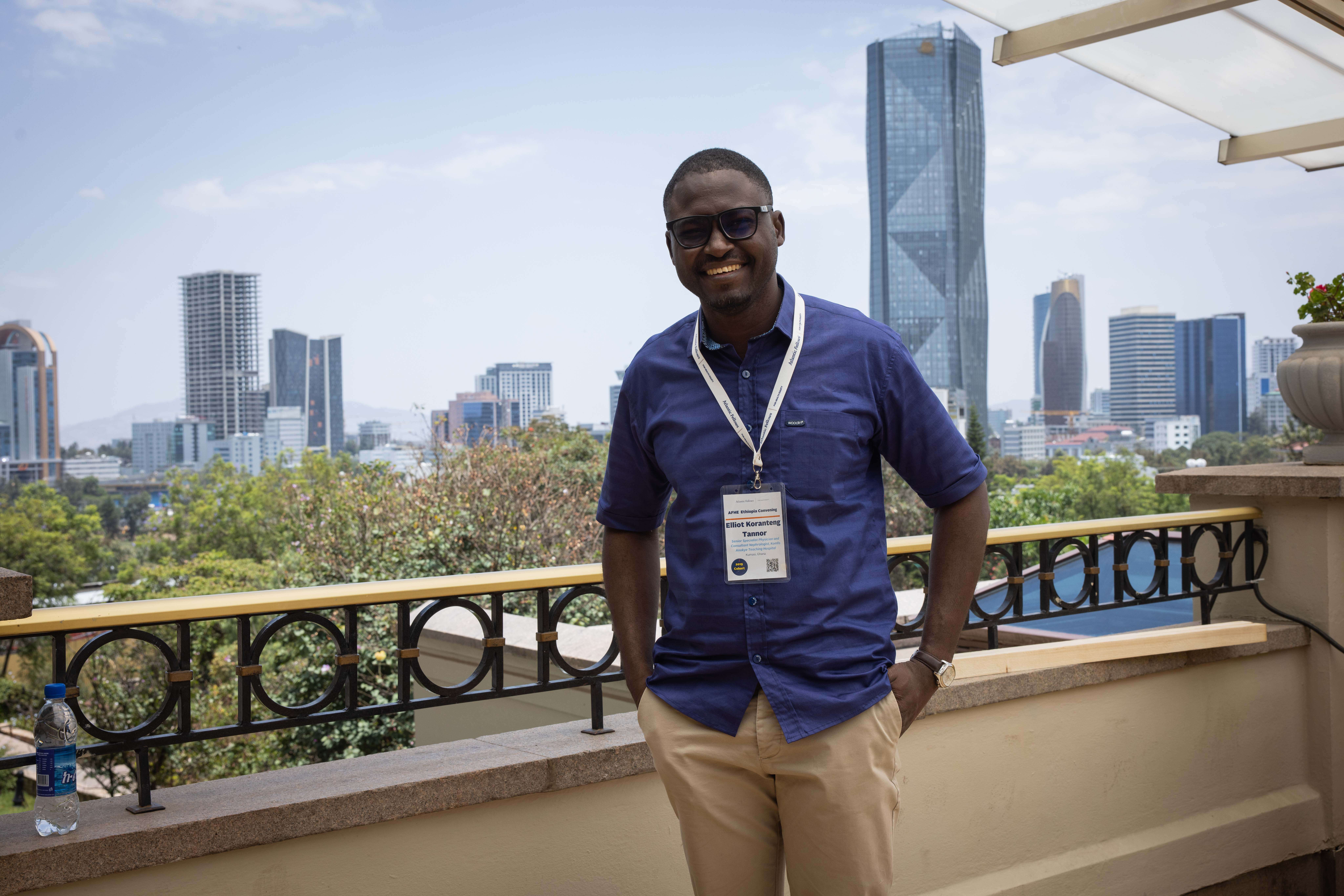
First-Ever Kidney Transplant in Kumasi, Ghana
Learn MoreElliot Koranteng Tannor (2019 cohort) and his team made history in Ghana with the first-ever kidney transplant in Kumasi. This is a critical step in addressing the health inequities faced by patients with end-stage kidney disease. With over 15,400 Ghanaians suffering from kidney failure and limited access to transplants, Elliot highlights the urgent need for a national renal transplant program, increased specialist training, and policies for organ donation.
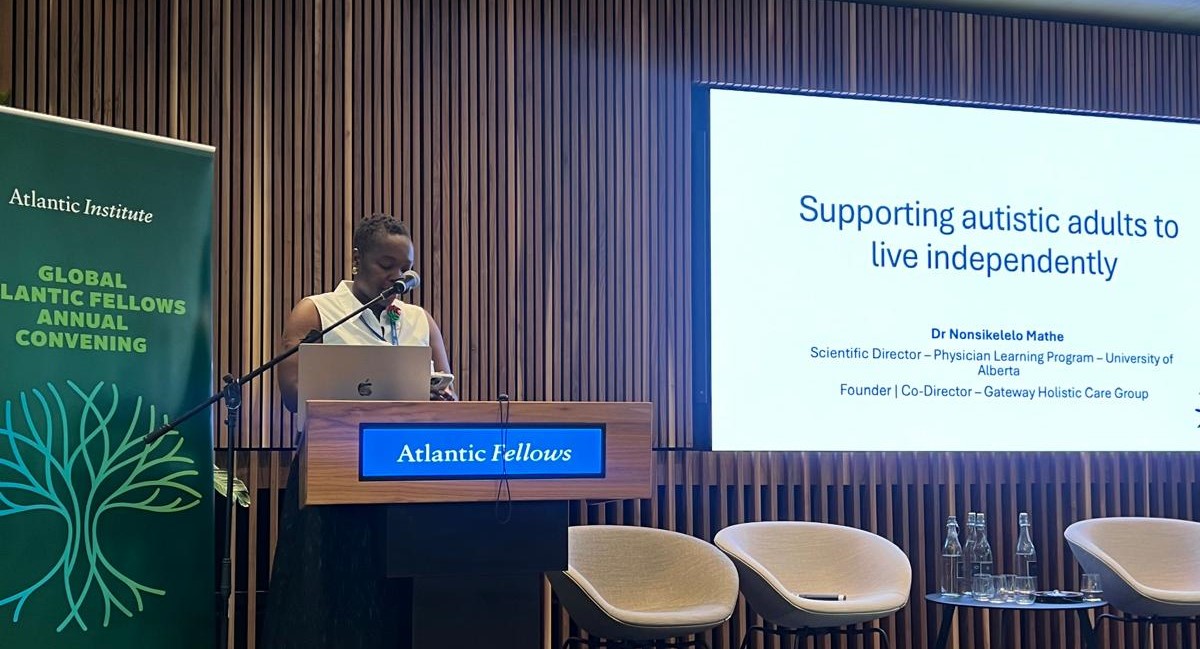
Affirming Excellence in Neurodiverse Care Across Alberta
Learn MoreGateway Holistic Care Group, led by Nonsi Mathe (2023 cohort) earned a three-year Commission on Accreditation of Rehabilitation Facilities accreditation, a major milestone affirming that every aspect of care meets international quality standards. Gateway Holistic Care Group delivers a range of person-centered programs, including respite, residential, supported living, community access, pathways to independence, and behavioral support, designed to meet the needs of Autistic and neurodiverse children, youth, and adults across Alberta.
Remembering Felicia Mburu
We honor the life and legacy of Felicia Mburu, our 2023 Atlantic Fellow for Health Equity. Felicia passed away on September 8, 2025, after a brief illness, leaving a lasting impact on her community, colleagues, and the field of human rights and disability advocacy. She was remembered by her cohort, friends, and colleagues as a person of action — courageous, brave, caring, loving, and deeply committed to making a difference. Her dedication inspires us to continue the work she championed, both within AFHE and in our broader communities.
She worked across Kenya, Latvia, Hungary, the United States, and other parts of Africa on intersectional issues of gender and disability rights. Among her most significant achievements are uniting organizations of persons with disabilities across East and Southern Africa, driving the integration of disability inclusion within public institutions, and advocating persistently for policies that advance inclusivity.
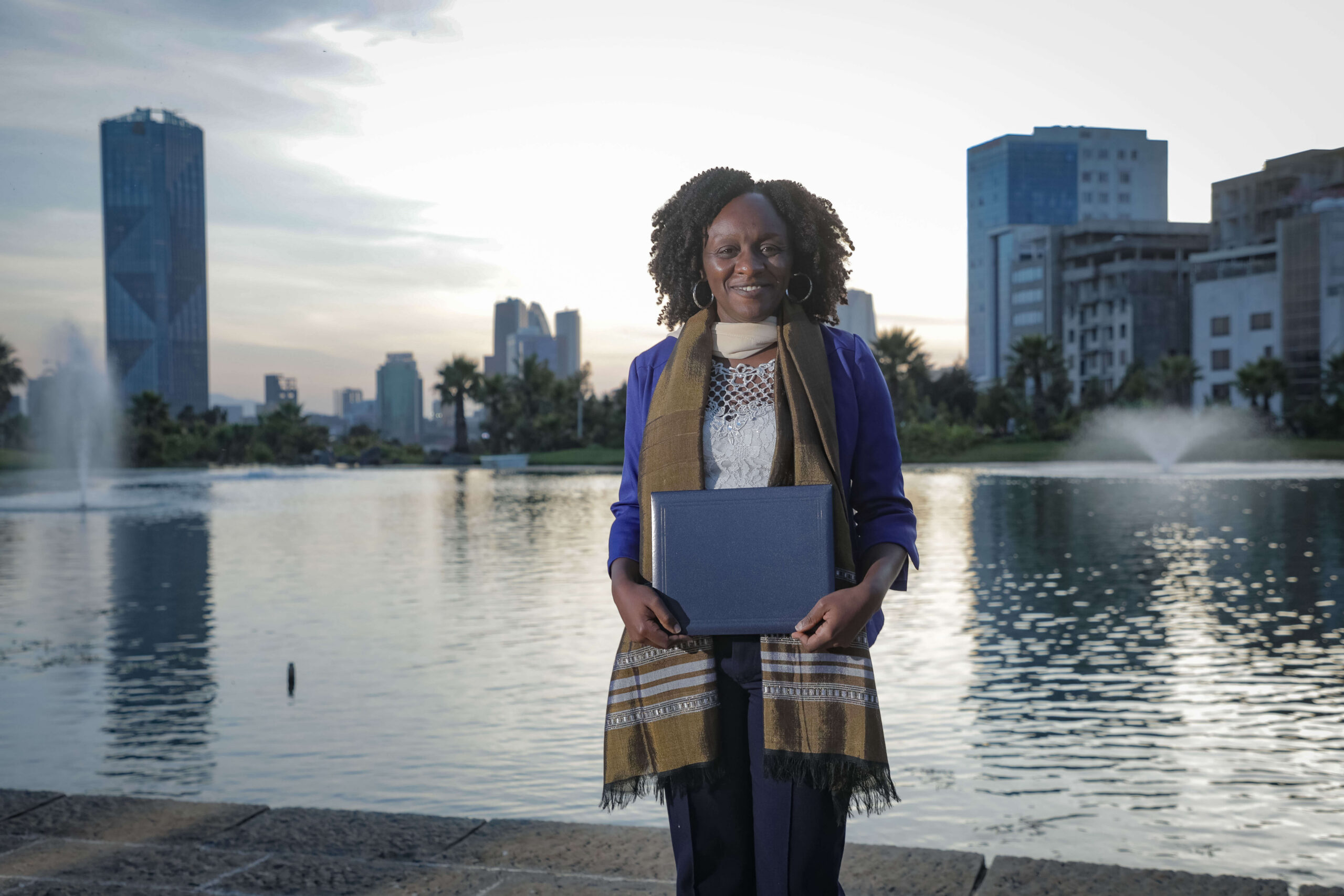
2025 Annual Report
2024 Annual Report

2023 Annual Report
2022 Annual Report
2020-2021 Annual Report