
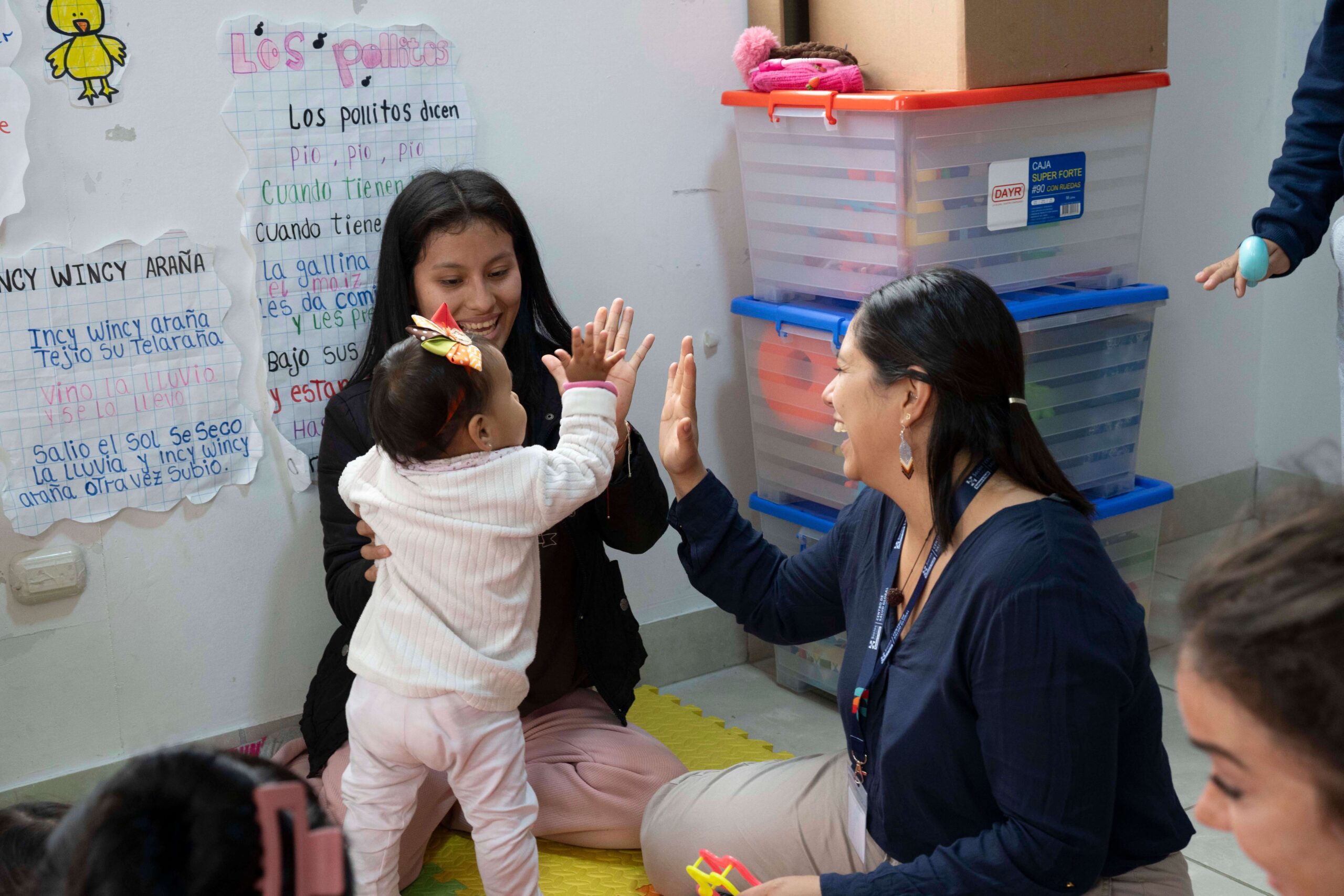
Lima, Peru
September 9 -13, 2024
The focus of this convening was Community Health Workers and their role in improving the health of communities in Lima. We selected Lima for its impressive community-focused initiatives in improving maternal and child health, tuberculosis, mental health, and noncommunicable diseases. During this week-long event, fellows:
- Explored the nexus between societal, political, and economic factors that affect healthcare delivery in Lima.
- Observed firsthand the implementation of community-based health programs.
- Engaged in collaborative activities.
It’s Time to Improve Care for Children with Advanced Developmental Needs
Collective Action Opinion Piece by Shubha Nagesh, Nancy Rumaldo, Felicia Mburu and Paige Knowlson
Recommended Reading + Viewing
Below are recommended reading and viewing to help you understand Partners in Health’s approach to community health. This list was prepared by Socios En Salud.
Readings and Videos
- From PRA to PLA and Pluralism: Practice and Theory (Robert Chambers)
- Participatory Rural Appraisal. Chapter 8: Flow Charts (N. Narayanasamy)
- Partners in Planning. Chapter 2: Choosing Methods (Rifkin)
- Partners in Planning. Chapter 3: Choosing Techniques (Rifkin)
- The Participatory Approach: Example of using Participatory Planning to build grass-roots movements
- Step 1: Identifying the focal issue with the “Problem Tree Analysis’ technique: Example of an NGO using the “problem tree” as a participatory planning tool
- BEFORE You Do A 5 WHYs Root Cause Analysis Watch This…: Example of how to use the 5 Whys core problem analysis
- PhotoVoice: Example of how an NGO is using the Photo voice tool
- Participatory Mapping: Example of how an NGO is using participatory mapping as a tool