X

Our Impact

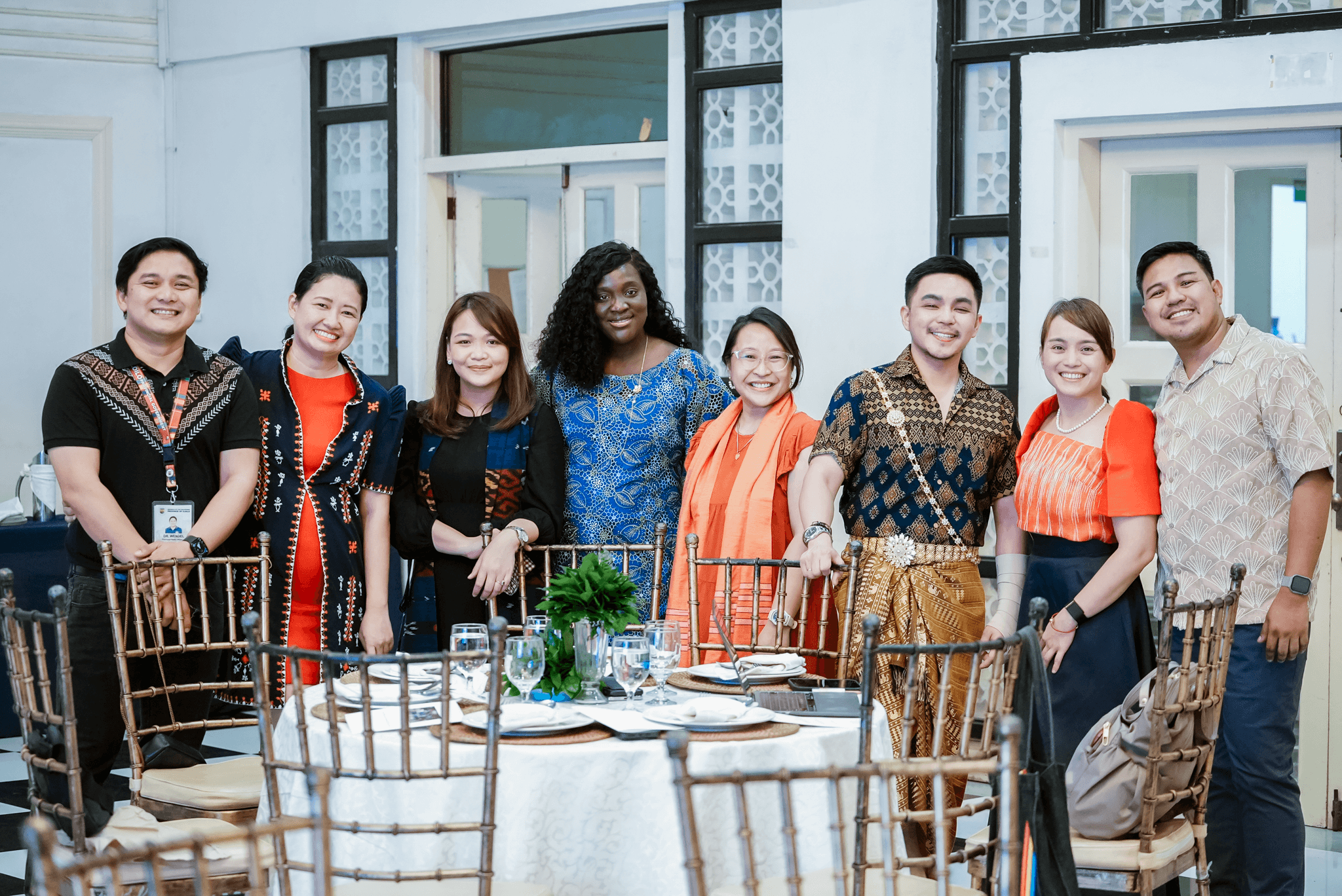
For 10 years, Atlantic Fellows for Health Equity has brought together leaders from around the world who are committed to advancing health equity in their communities.

The fellowship helps them turn that commitment into action, building leaders and creating a global community to advance the work into the future. Fellows learn alongside peers from diverse disciplines, sectors and experiences, building the relationships and skills needed to create lasting change.

As we celebrate our 10-year anniversary, we honor a decade of leadership, learning, and collective action while looking ahead to the next decade of advancing health equity together.

35

Countries

40+ Million

Total People Impated

151

Current & Senior Fellows

Voices of Equity
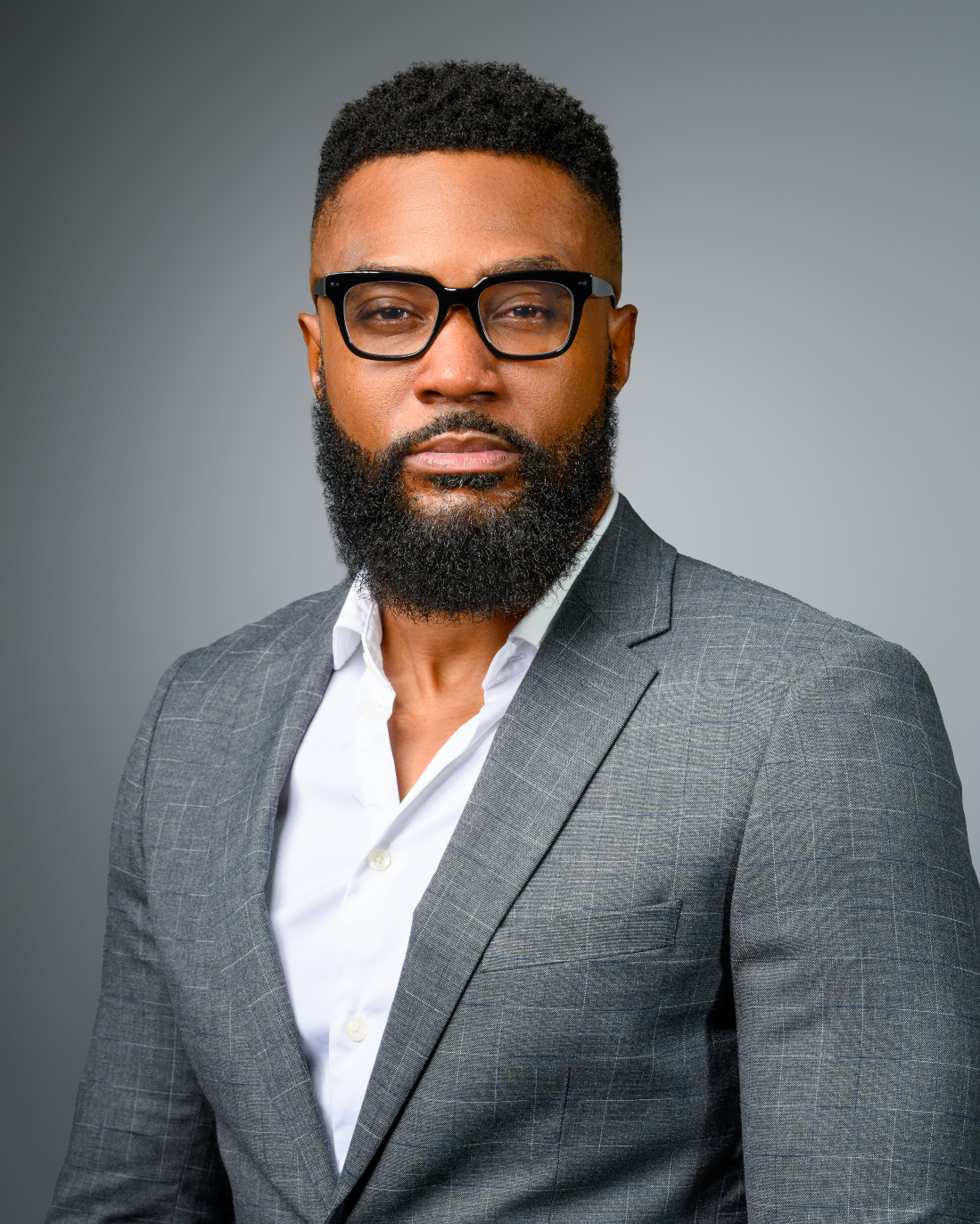
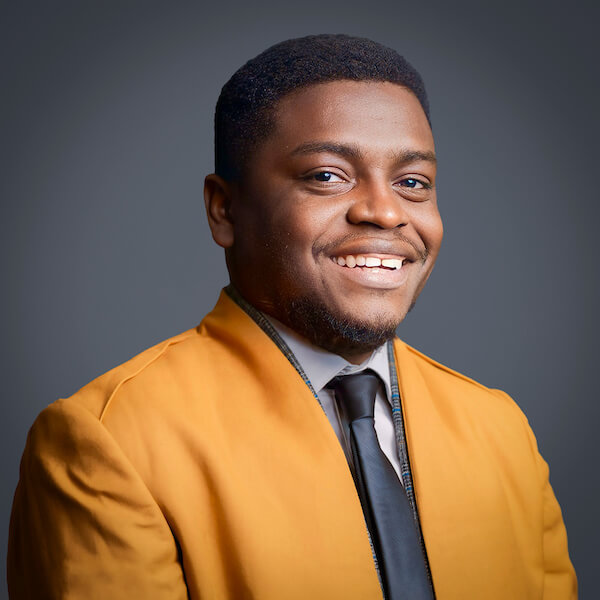
man posing for a headshot in a gray jacket Play video

The fellowship has allowed us to drill down to find the solutions through the most difficult challenges.
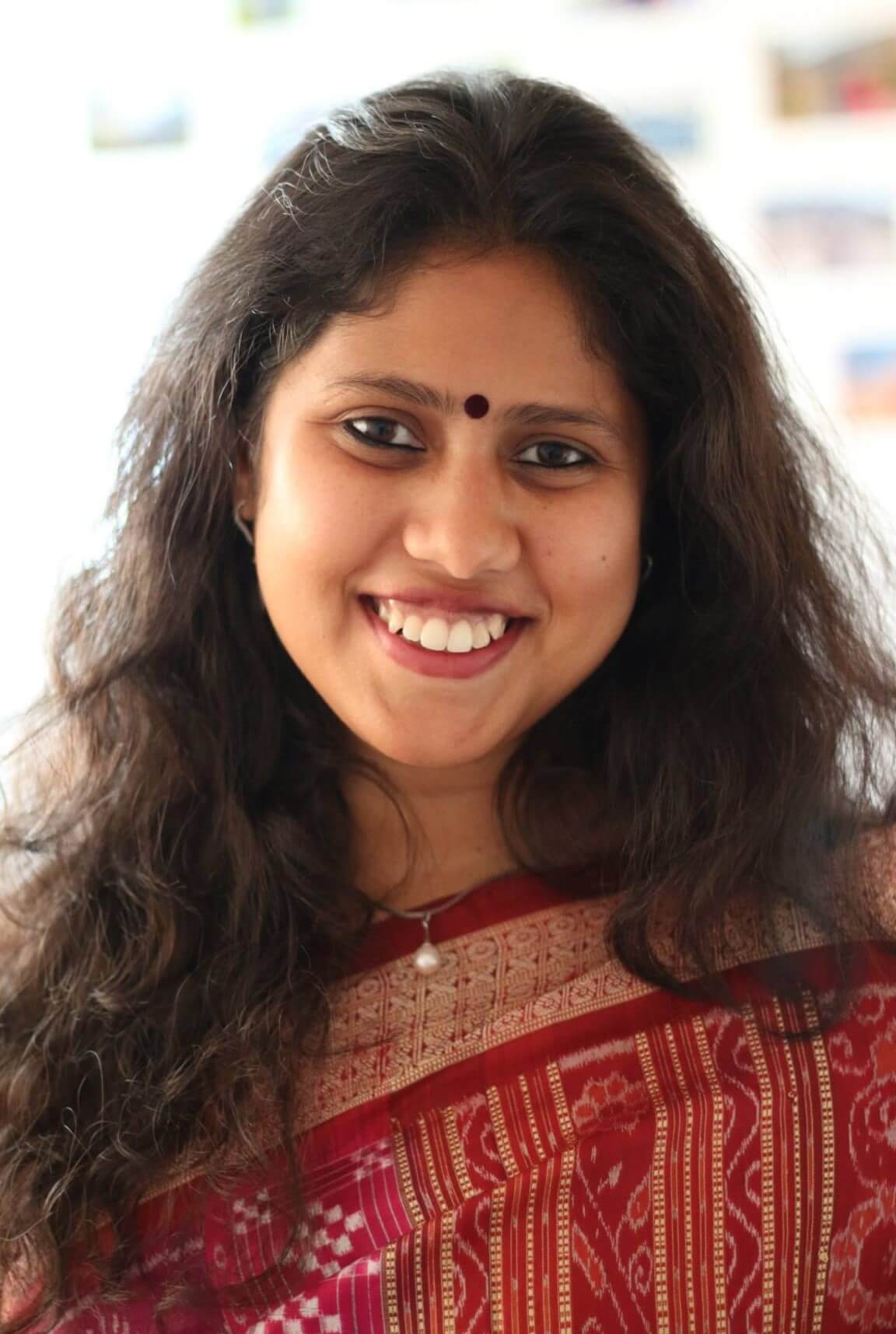
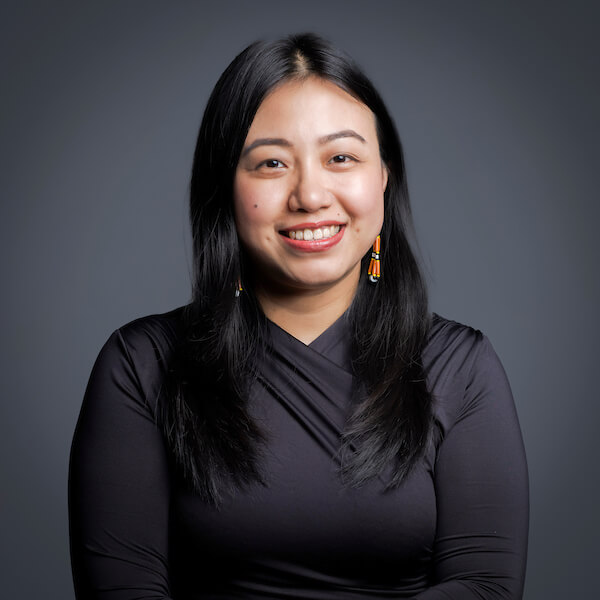
woman posing for a headshot Play video

I think the power of narrative, the authentic storytelling, it's something that has really helped not only me, but also my team members.
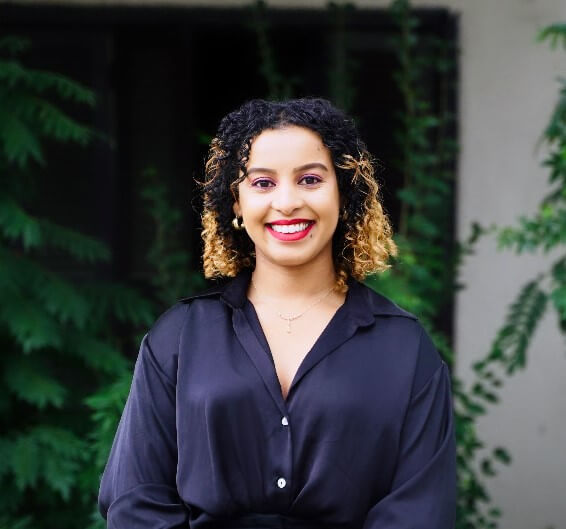
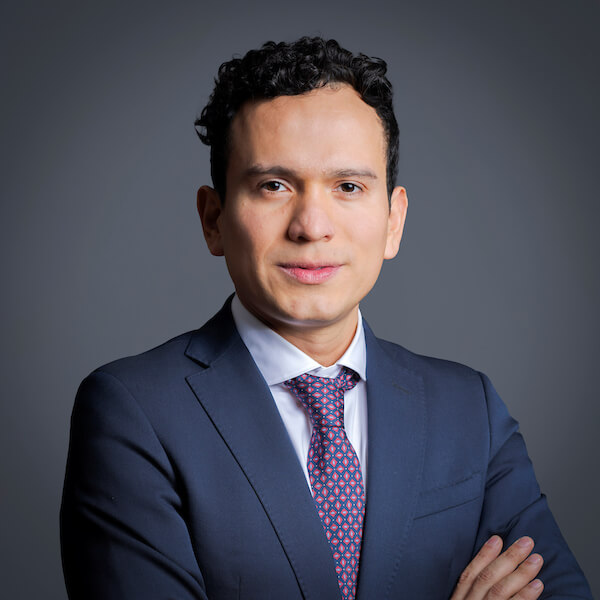
Play video

I commit to come back to spaces of inequity, to see it, to understand it, navigate it, and also explore ways that I can contribute to reshaping it

Community Stories
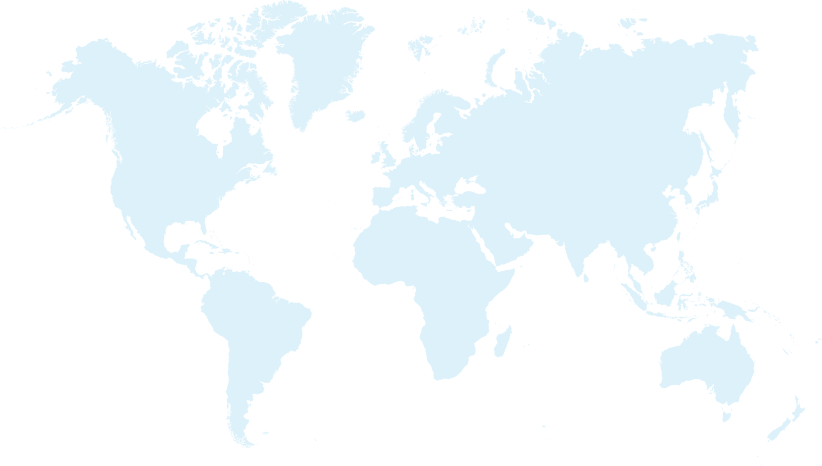
world map

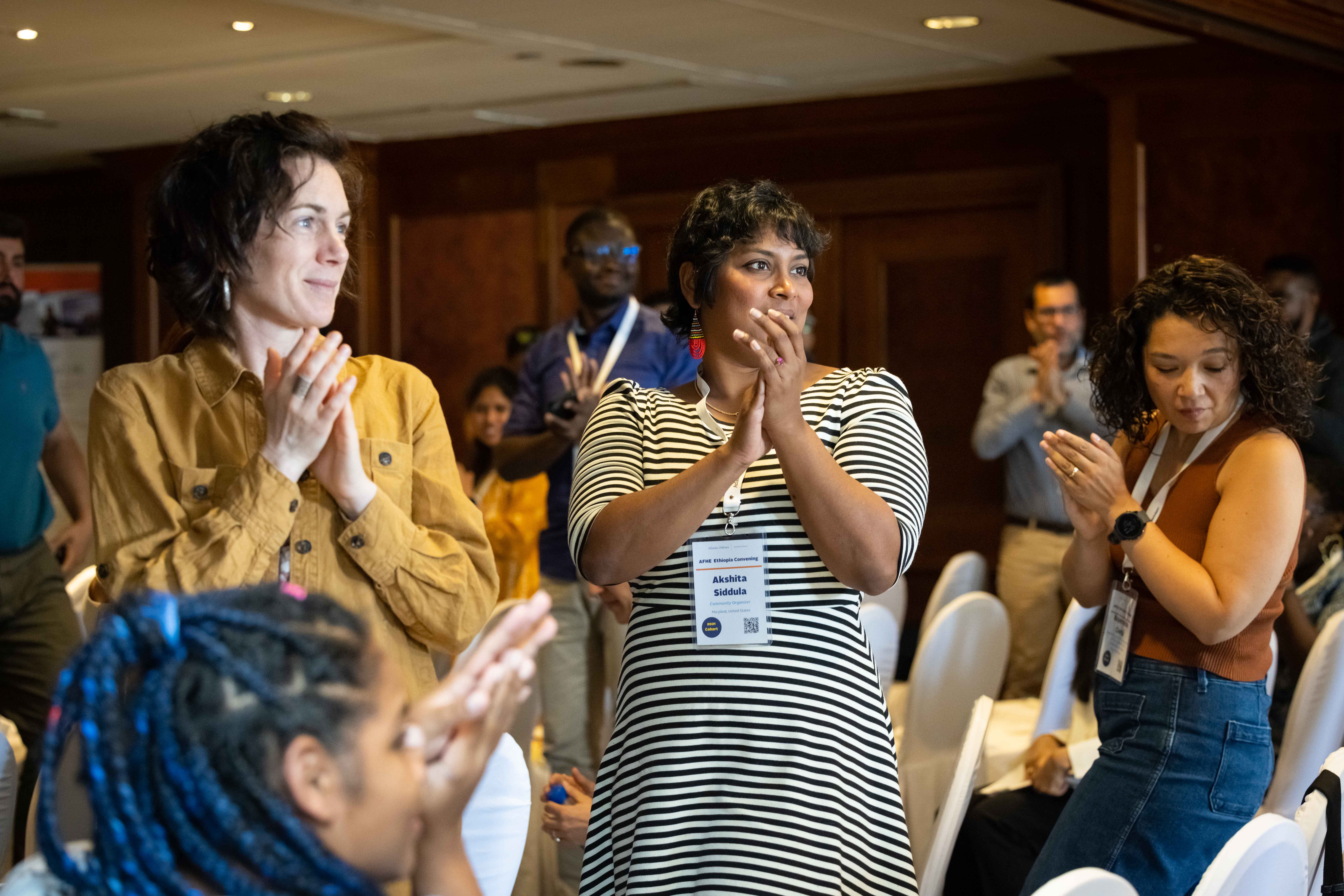
Maryland
Akshita Siddula (2021 cohort) explores how urban farming can address more than food access. In her TEDx talk, she shares how growing food in cities can help confront urban food deserts and racial disparities while creating opportunities for people to reconnect with food, nature, and one another. Her work offers a different way of thinking about urban agriculture: not just as a source of fresh food, but as a tool for building healthier and more connected communities.
Learn More
Group picture in front of a rural health center.

Chana, Nigeria
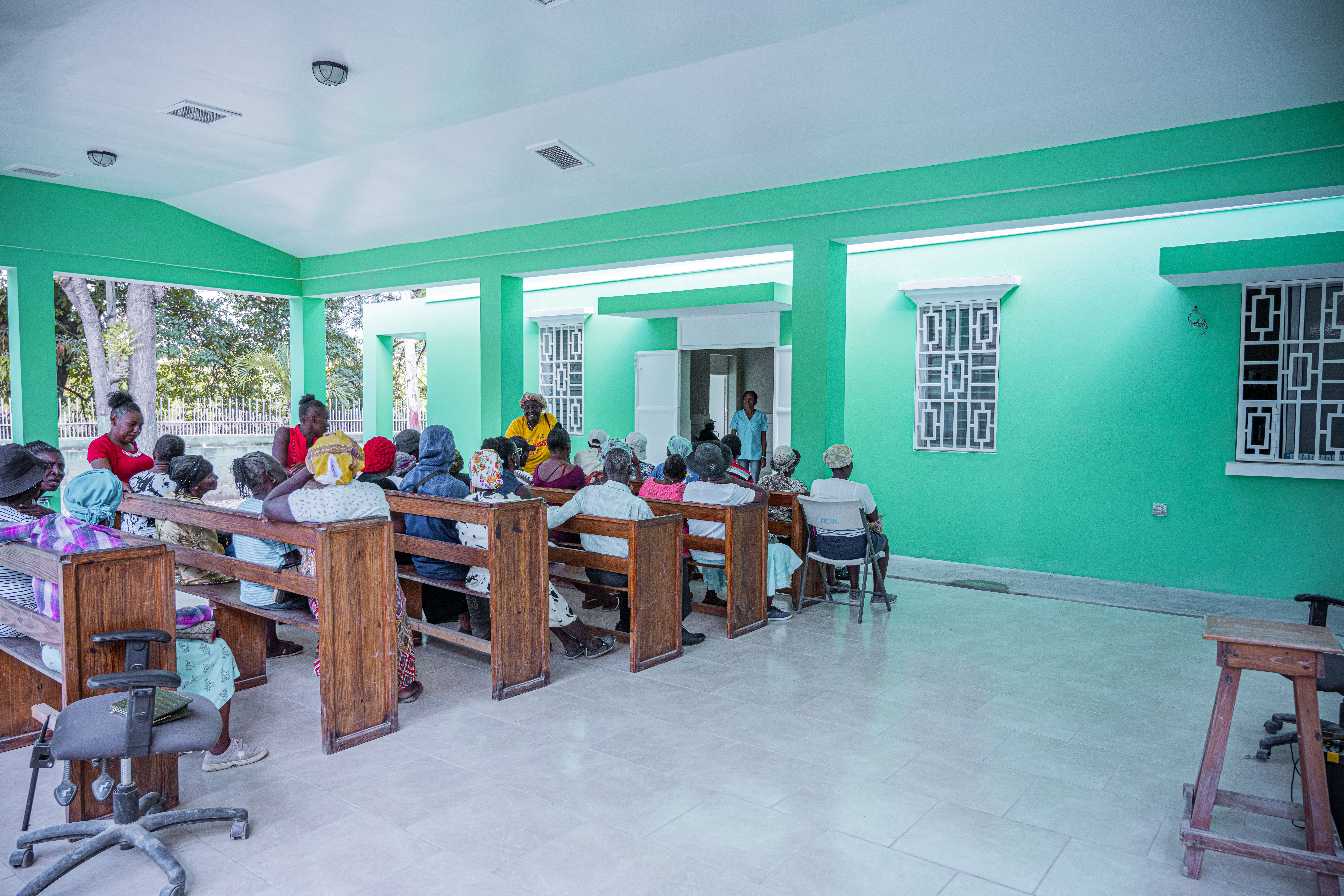
Muhammad Ahmad Saddiq (2021 cohort) worked with local partners to establish a community-based health facility in rural Chana, Nigeria, bringing maternal, child, and neonatal healthcare closer to families who previously faced long journeys to access care. The solar-powered facility has a reliable water supply and offers prenatal and postnatal care, safe deliveries, immunizations, telemedicine, and health education, helping strengthen access to essential services while reducing barriers to care.
Learn More
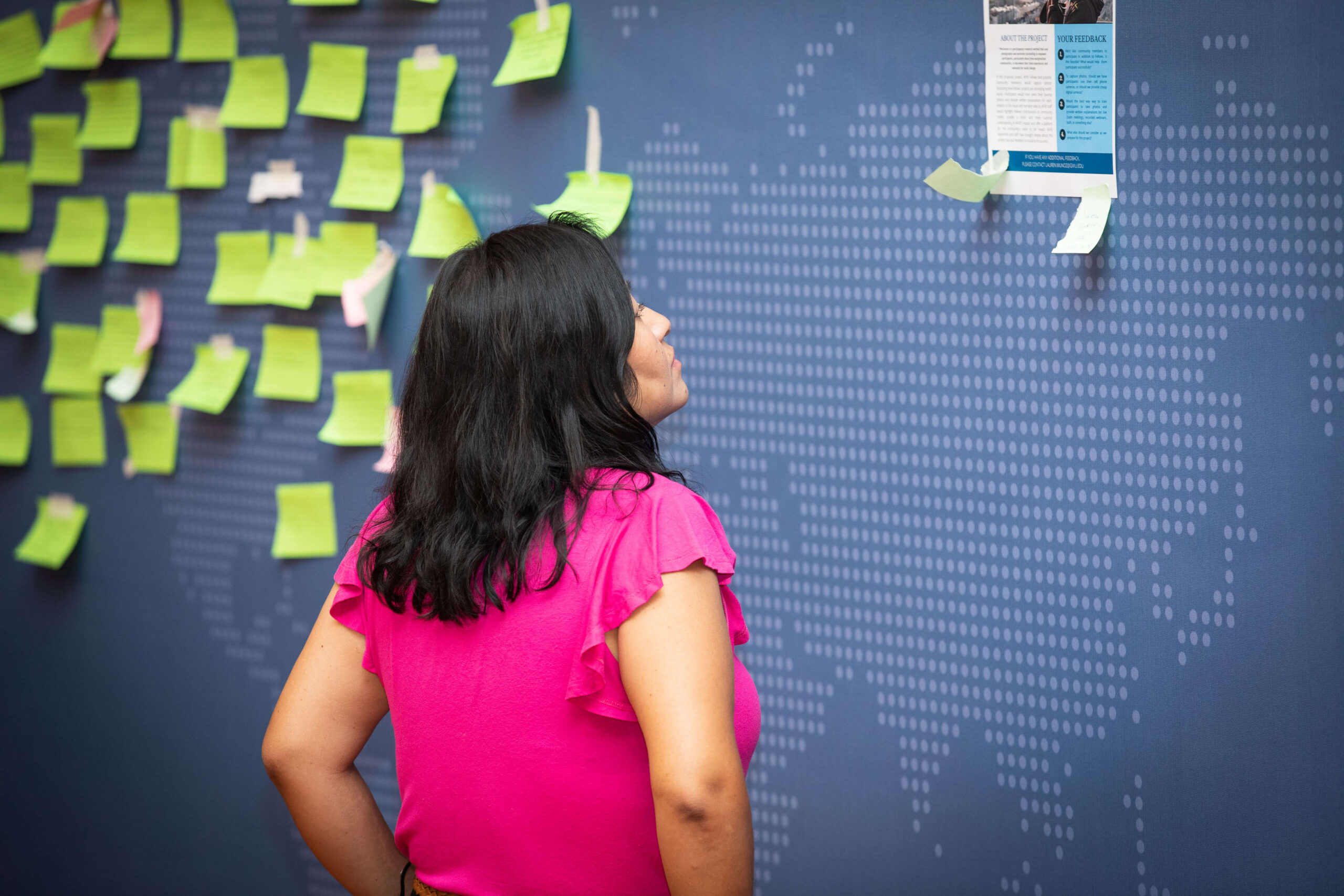
A woman looking at a wall map covered with sticky notes.

Maras, Peru
Nancy Rumaldo (2021 cohort) examined how climate change and water insecurity are affecting Indigenous mothers in Maras, Peru. Her research found that 92% of surveyed households experienced water insecurity, affecting everything from household hygiene to food production and livelihoods. By centering mothers’ lived experiences and documenting community-led approaches such as revitalizing traditional stone wells, Nancy’s work offers insights for climate solutions that build on local knowledge and strengthen community resilience.
Learn More
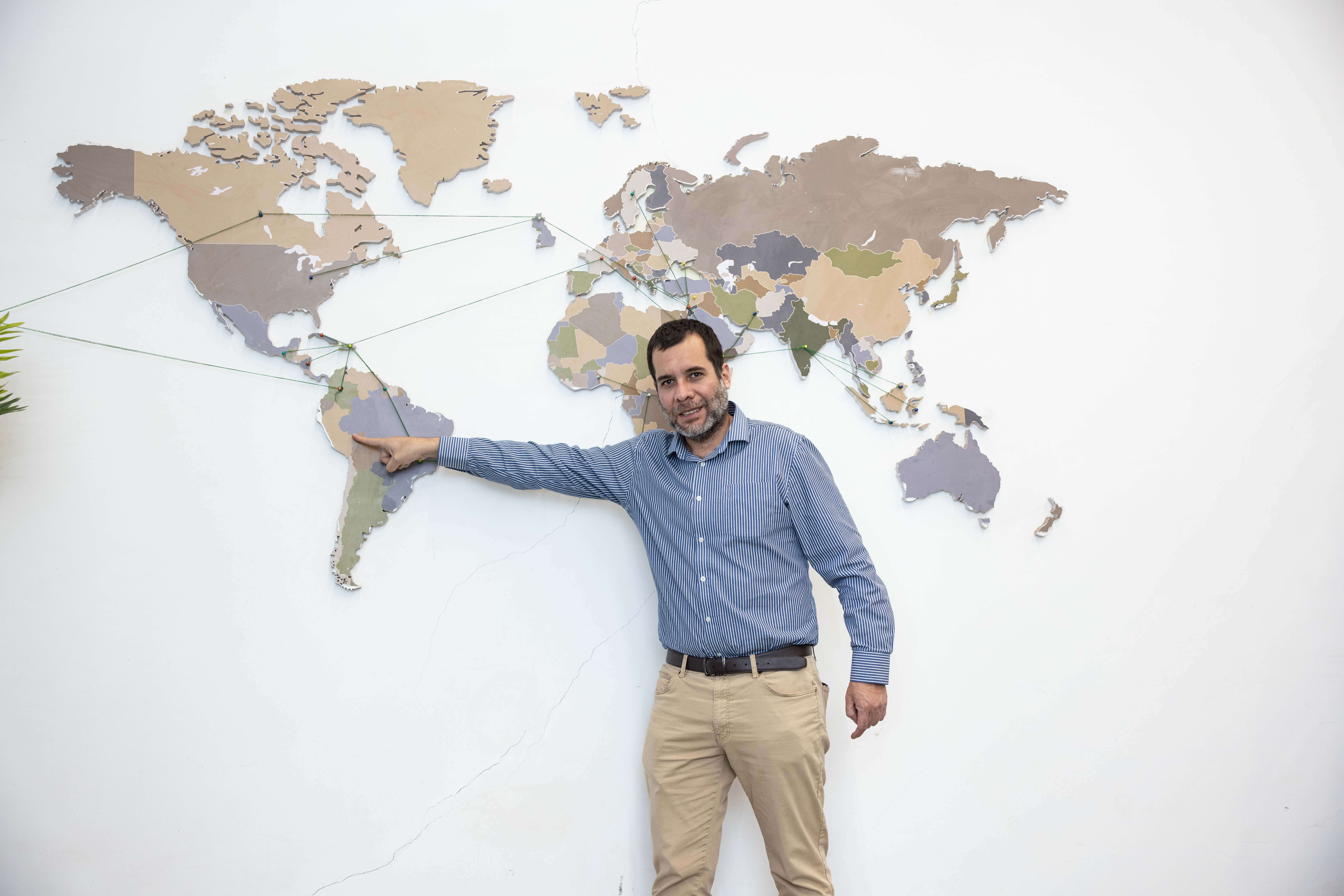
A man pointing at a large wall world map.

Peru
Oscar Ramirez (2021 cohort) and a team of Global Atlantic Fellows conducted a field study across three regions of Peru to understand barriers to accessing basic healthcare. Their findings showed that trust, cultural and language barriers, economic constraints, and limited staffing and resources can all keep people from receiving care. The study recommends solutions that center community voices, strengthen culturally responsive care, and support health workers, helping health systems better reflect the realities of the communities they serve.
Learn More
woman talking to a group of children

Egypt
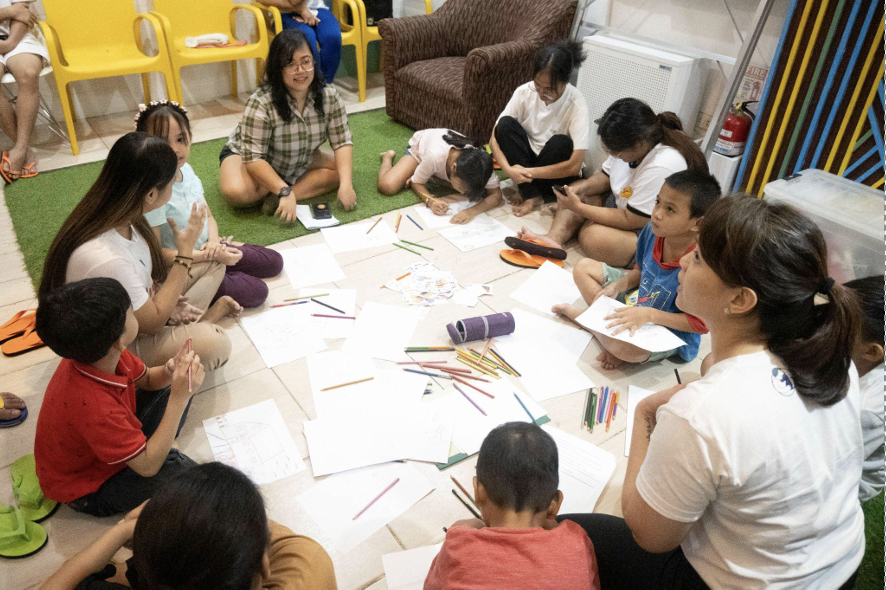
Naglaa Fathy Lithy (2021 cohort) created Games for Goals, using low-tech, inclusive games to make health, sexual and reproductive health, and gender equality education more accessible to children and families in underserved communities. The initiative has grown from three villages into a nationwide movement, with more than 300 trained gamifiers reaching over 10,000 participants across Egypt. Designed to be inclusive and usable without electricity or digital devices, the games create spaces where children and families can engage with difficult health and social issues through play.
Learn More
Woman giving a small child a high five.

India, Kenya, Peru, United States
Paige Knowlson (2021 cohort), Felicia Mburu (2023 cohort), Shubha Nagesh (2019 cohort), and Nancy Rumaldo (2021 cohort) advocated for better care for the more than 317 million children worldwide living with developmental disabilities. Their recommendations include expanding early screening, training community health workers and educators, strengthening family support, and using telehealth to connect children in rural and underserved communities with specialized care.
Learn More
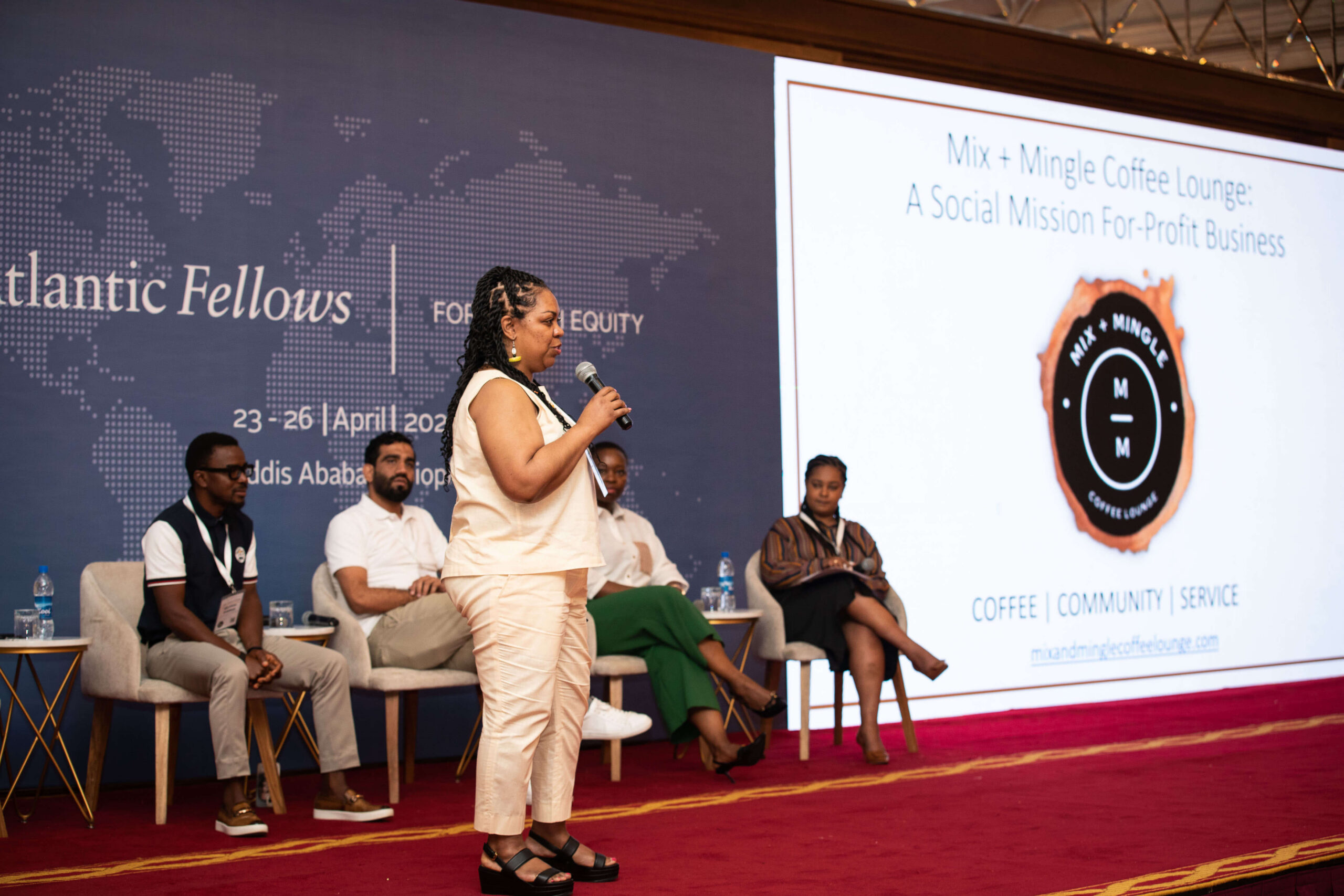
Woman speaking on a stage

Clinton, Maryland
Shannon Jordan (2021 cohort) co-founded Mix & Mingle Coffee Lounge to fill a need in the community for a place to eat, connect and build relationships. The space brings people together through community events, networking, art, and entertainment, while also hosting conversations on issues including mental health. By creating a welcoming space for connection and community engagement, Shannon is helping foster social well-being in her community.
Learn More
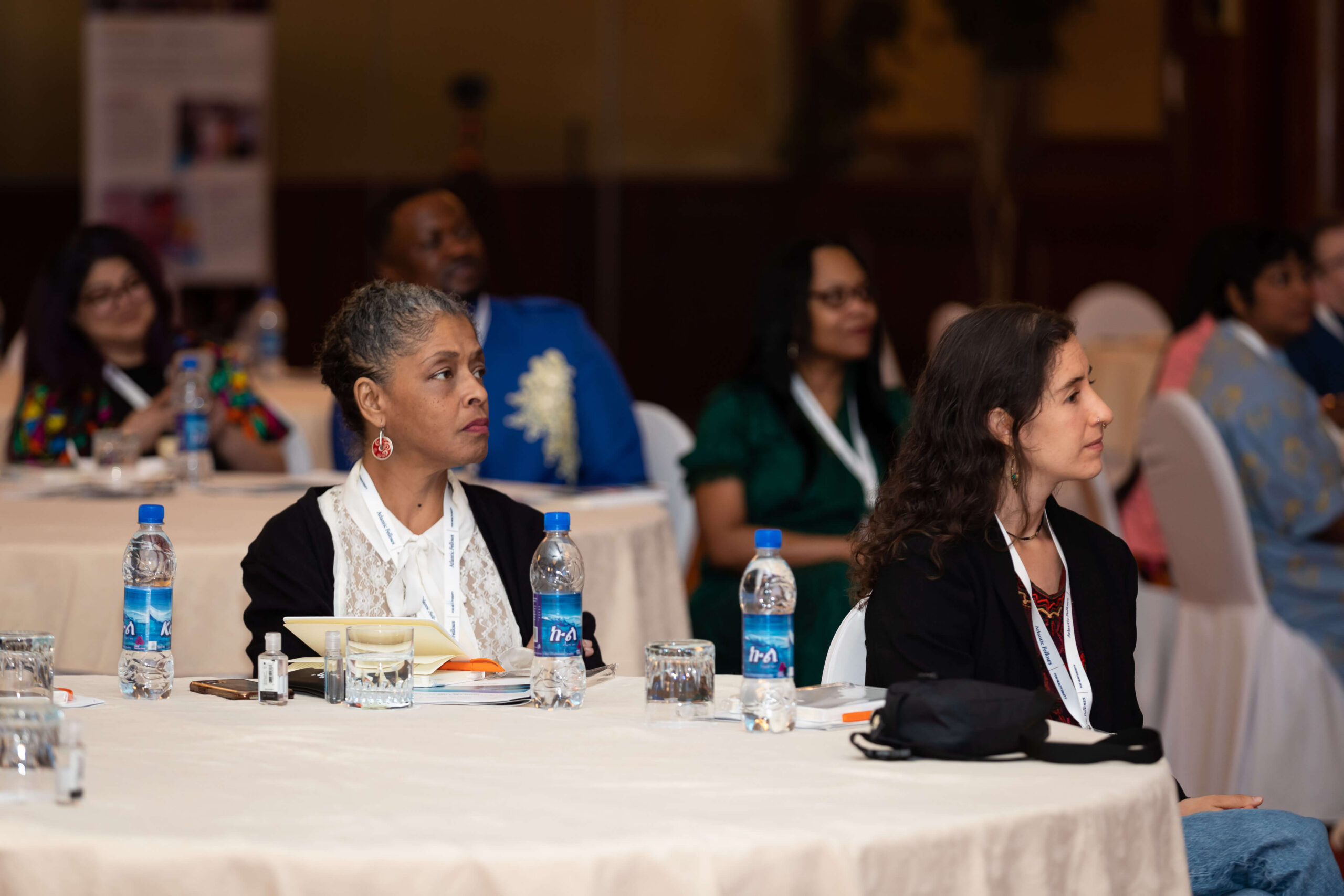
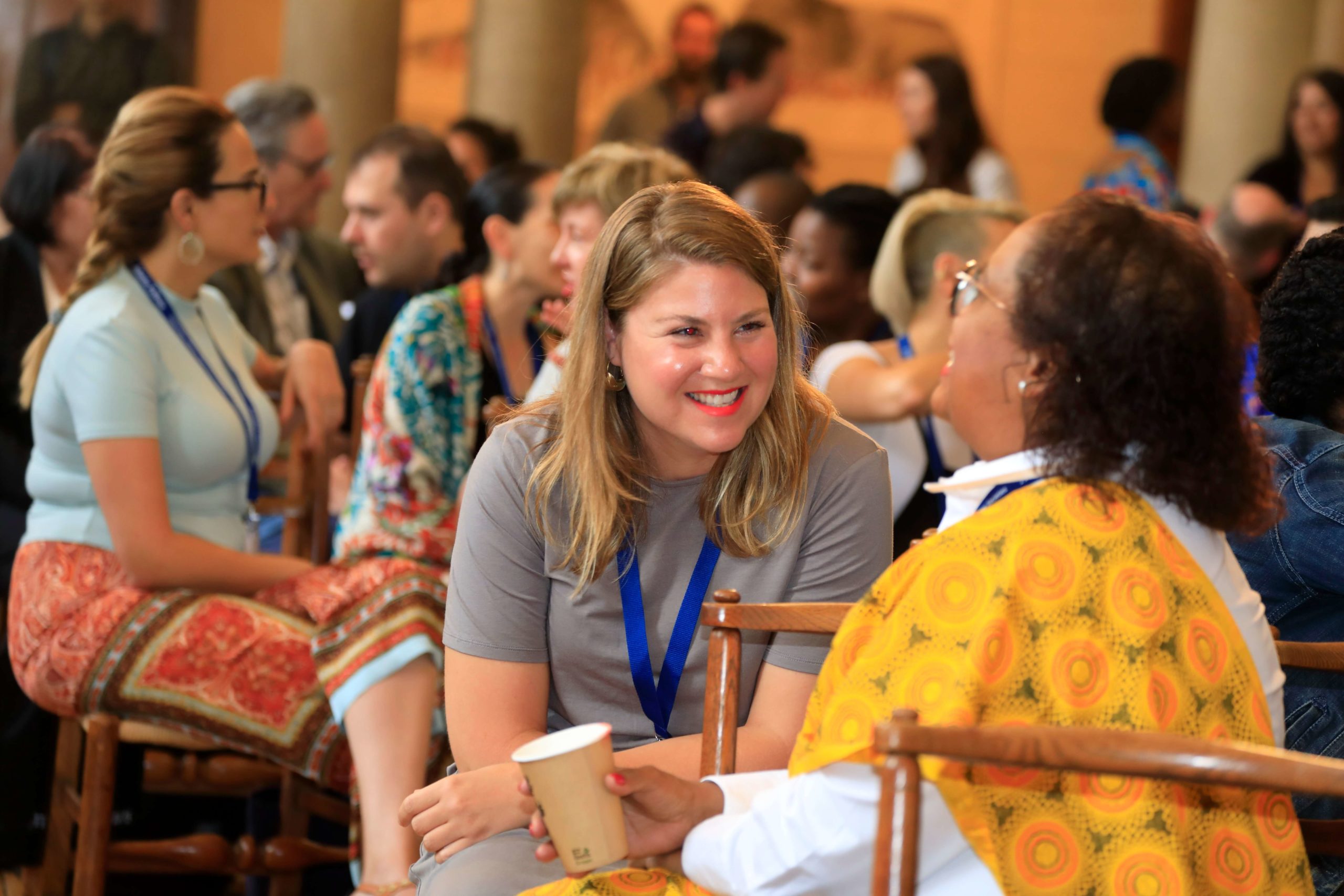
Conference attendees seated at a round table listening to a speaker.

South Carolina
Brenda Hughes (2021 cohort) served as Chief Equity Officer for the South Carolina Food Policy Council and co-leads its Equity Within the Food System Committee. The committee is working to center racial equity across the Council’s work and inform a state-level food equity policy platform, helping shape a more equitable and healthy food system in South Carolina.
Learn More
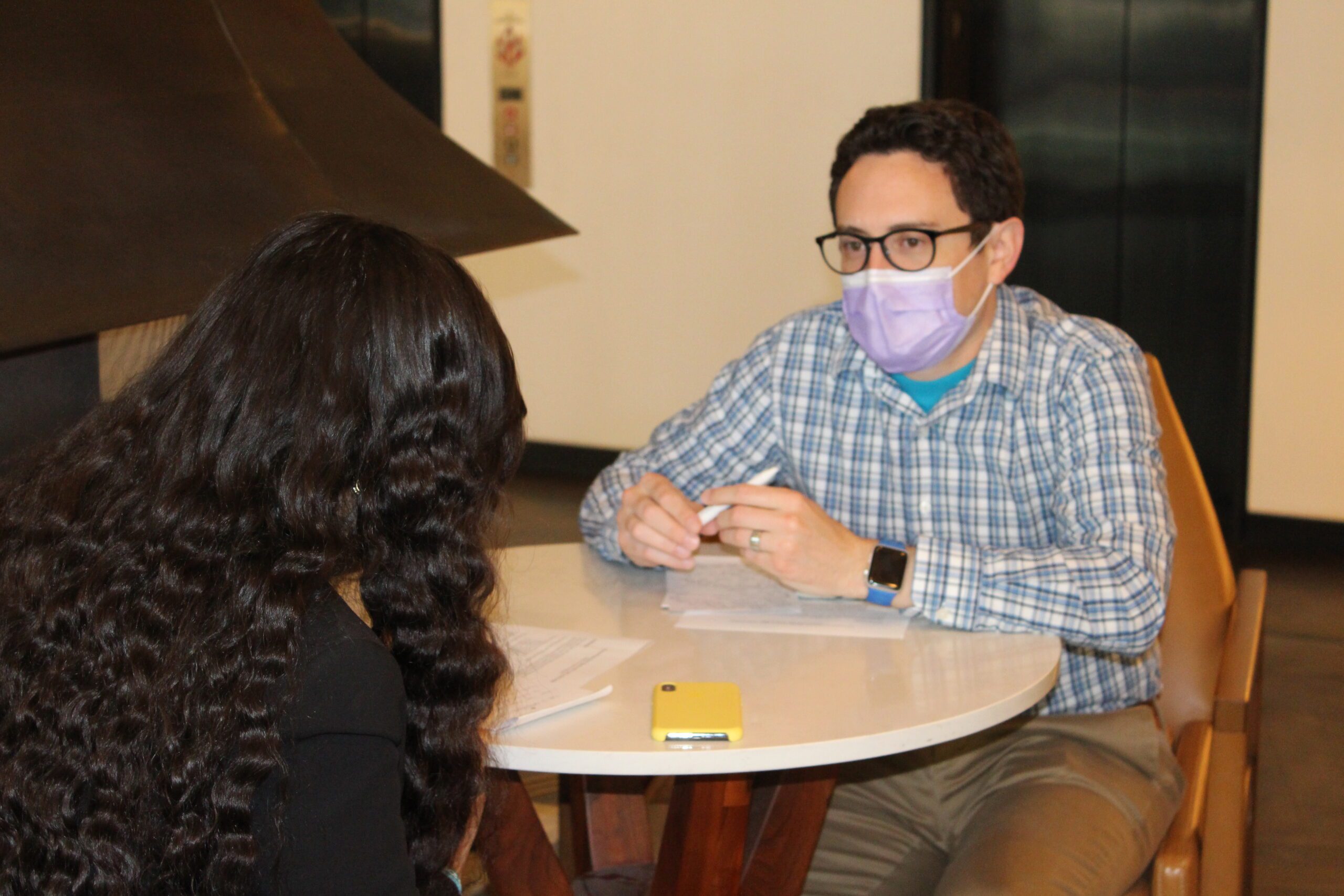
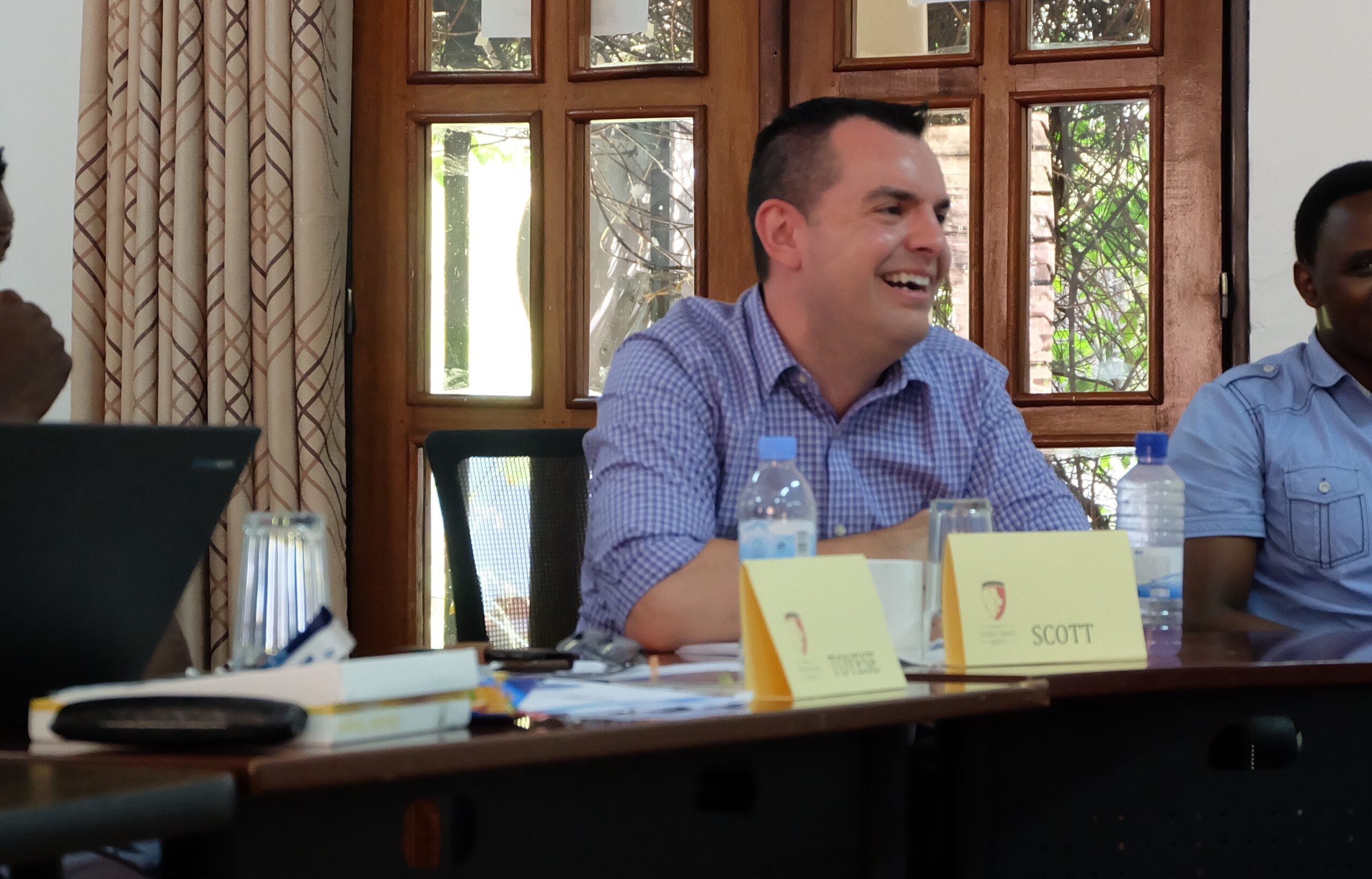
Scott Howell sitting at a table in discussion with someone.

Arizona
Scott Howell (2021 cohort) has expanded access to oral healthcare for underserved populations through community partnerships and teledentistry. At A.T. Still University, he helped bring dental care to recently incarcerated men and youth in detention, using teledentistry to assess needs and connect patients with treatment. His work also explored how teledentistry could improve access for people with disabilities, helping address barriers that can keep patients from receiving the care they need.
Learn More
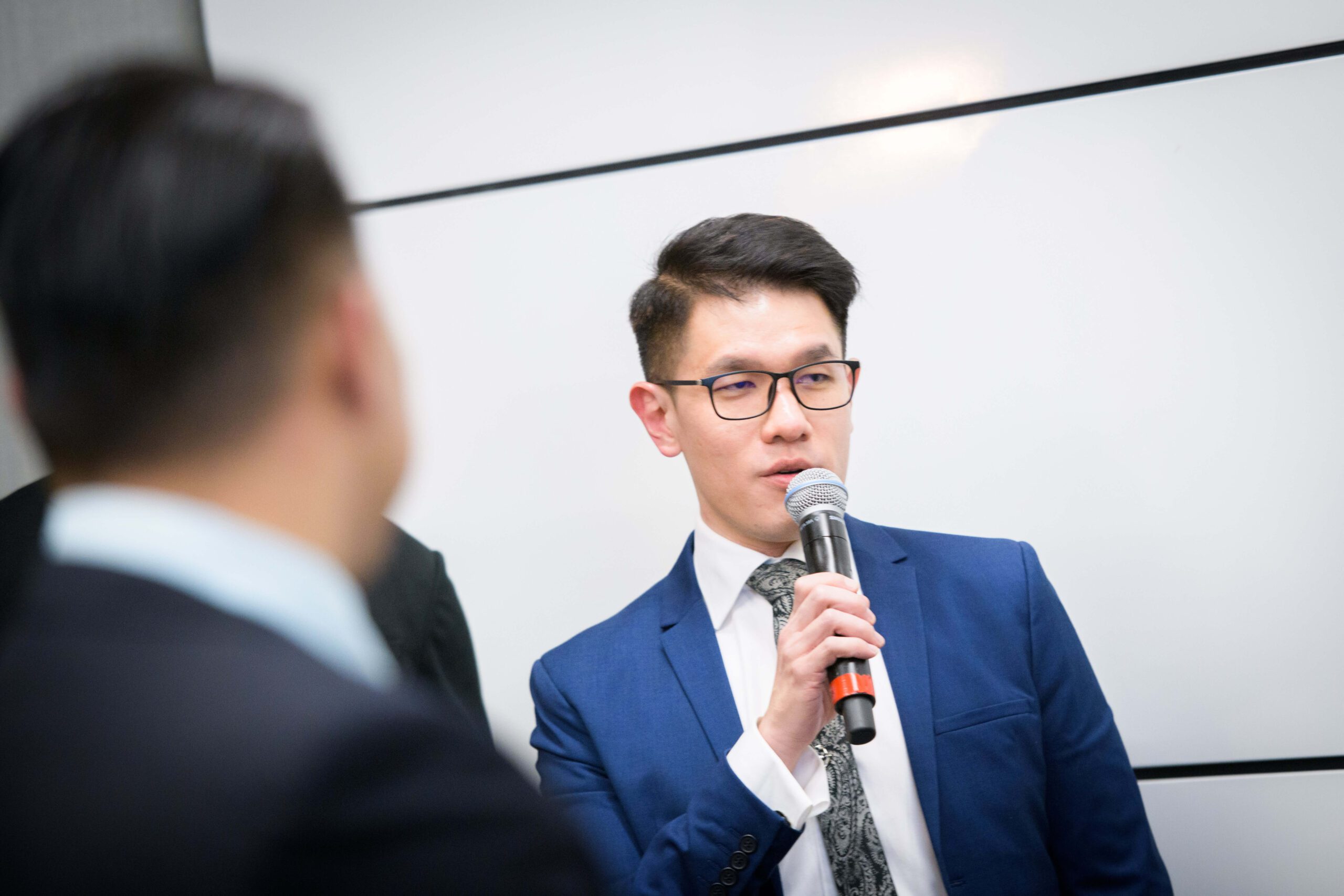
Man in a vest speaking into a microphone.

New York
Qusai Hammouri (2021 cohort), a pediatric spine surgeon, created MDus.ai, an AI-powered platform that uses personalized animated videos to make medical information easier for patients to understand. Designed with patients facing language barriers, low health literacy, or limited time with their providers in mind, the platform helps patients better understand their conditions and care, making healthcare information more accessible and equitable.
Learn More
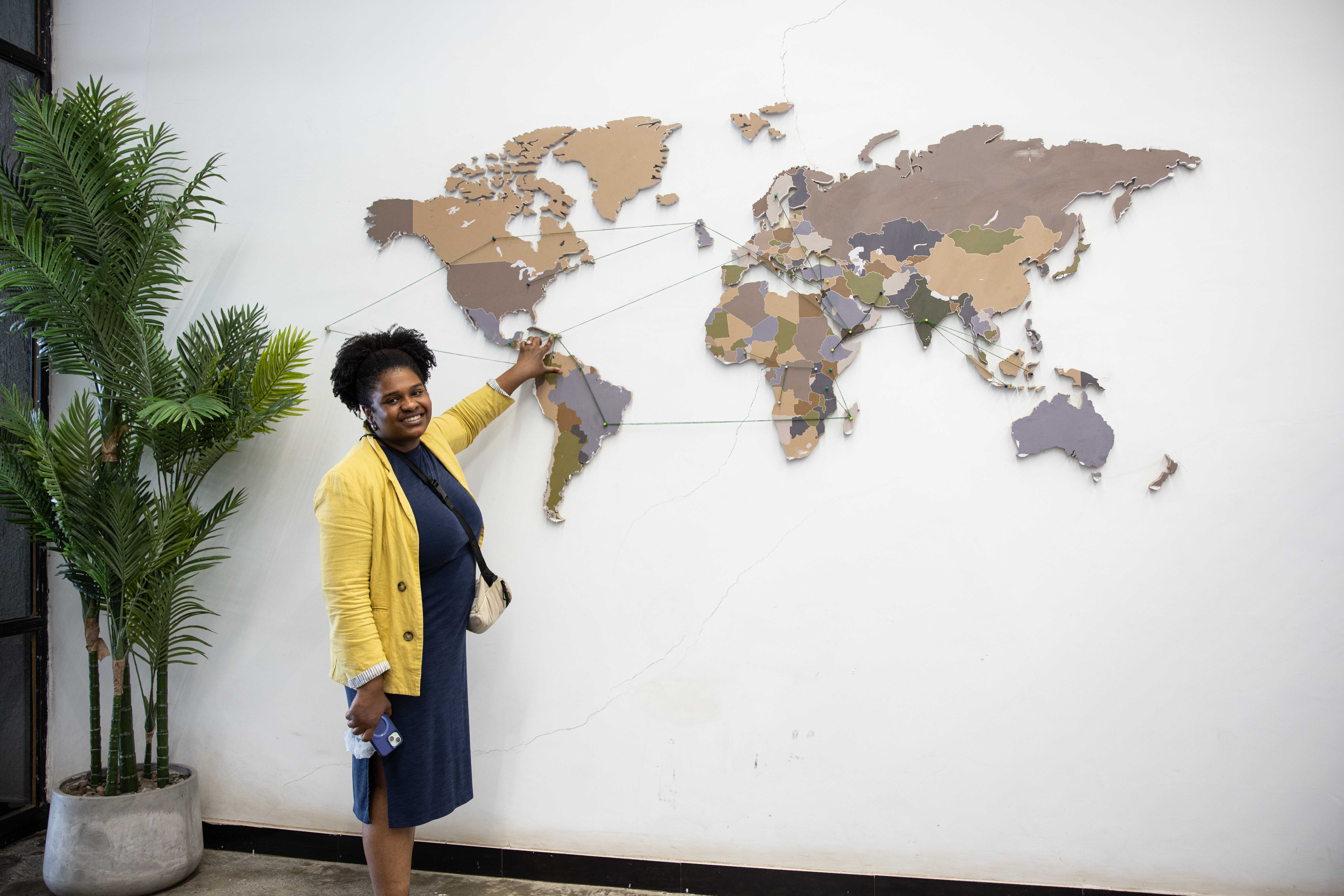
Woman pointing to a map

Haiti
Regina Duperval (2021 cohort) studied sleep, physical activity, and diabetes management among children and young people with Type 1 diabetes in Haiti, helping address a gap in research from low-income countries. Her research found that shorter sleep was associated with higher HbA1c, while physical activity was not associated with glycemic control or quality of life. The findings point to the need for more research into how sleep and other modifiable factors can support better diabetes outcomes for young people in resource-limited settings.
Learn More
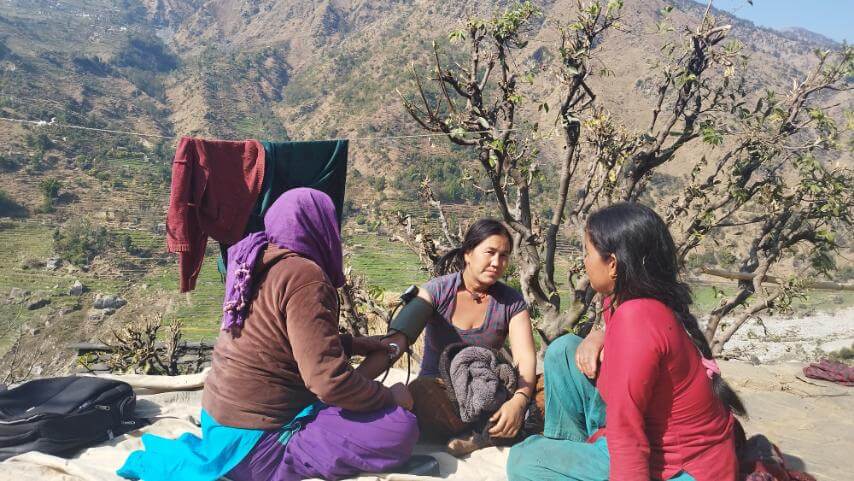
community health workers in Nepal

Accham, Nepal
Pratiksha Dhungana (2021 cohort) advocates for strengthening Nepal’s community health workforce to address gaps in healthcare access, particularly in rural communities. Her work highlights how community health workers can connect people to essential care, support maternal and child health, and bridge communities with larger health facilities. With one female community health volunteer able to serve up to 200 people each year, Pratiksha makes the case for investing in and sustaining this critical workforce.
Learn More
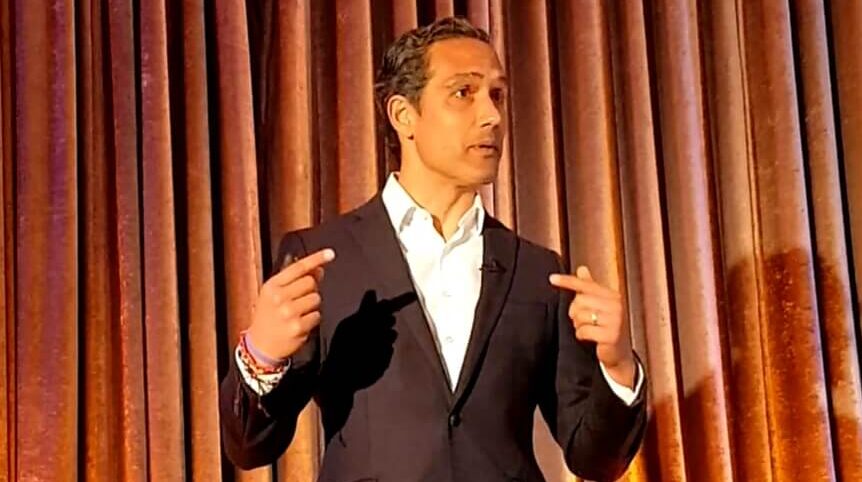
Man speaking in front of a backdrop.

United Kingdom
Pedro Delgado (2021 cohort) reflects on three decades of healthcare improvement in a podcast series with East London NHS Foundation Trust. He explores how organizations can move from individual quality improvement projects to approaches that are embedded across health systems, helping sustain improvements in care and better support population health.
Learn More
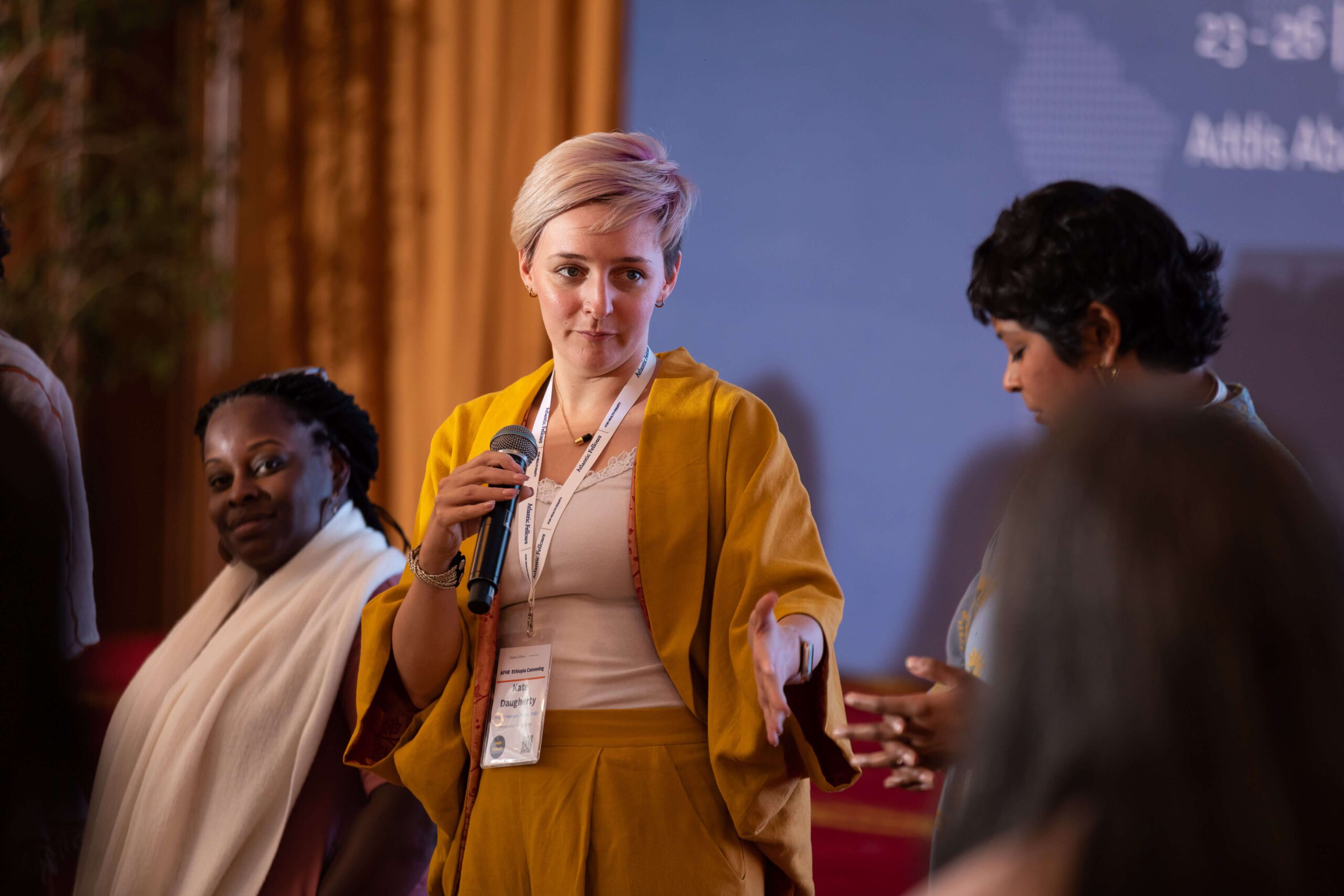
Woman holding a microphone

Philadelphia, Pennsylvania
Kate Daugherty (2021 cohort) is helping advance trauma-informed nursing education through Project TINES, a SAMHSA-funded initiative at Jefferson College of Nursing. The project equips nursing students, faculty, and practicing nurses with training and resources to better recognize, assess, and treat substance use disorders while providing compassionate, patient-centered care. Nurses who complete the training may be eligible to receive Continuing Nursing Education (CNE) credit. By strengthening nursing education and clinical training, Project TINES is helping expand the workforce prepared to provide evidence-based substance use care, particularly in underserved communities.
Learn More
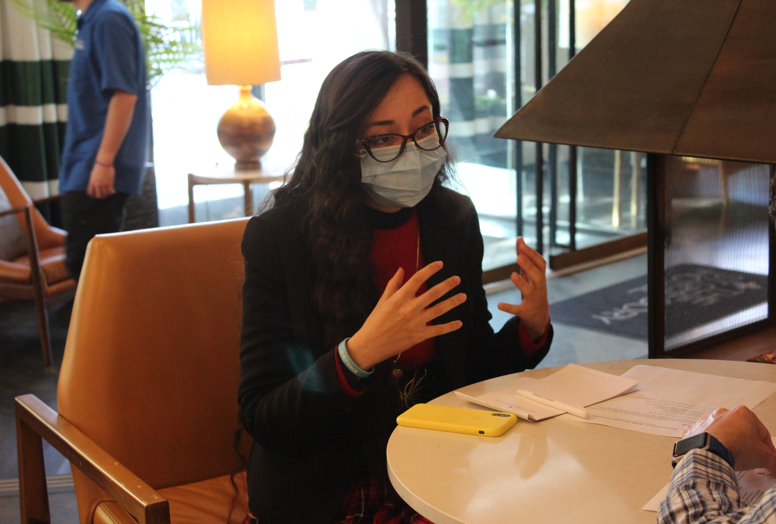
Woman sitting down, wearing a mask, and speaking with both hands.

Iraq
Zahraa Al-Sarraf (2021 cohort) is creating Tuqma which is more than an art startup—it creates social, hands-on experiences where women can step away from daily stress, connect, and discover something new about themselves through art and craft.
Learn More
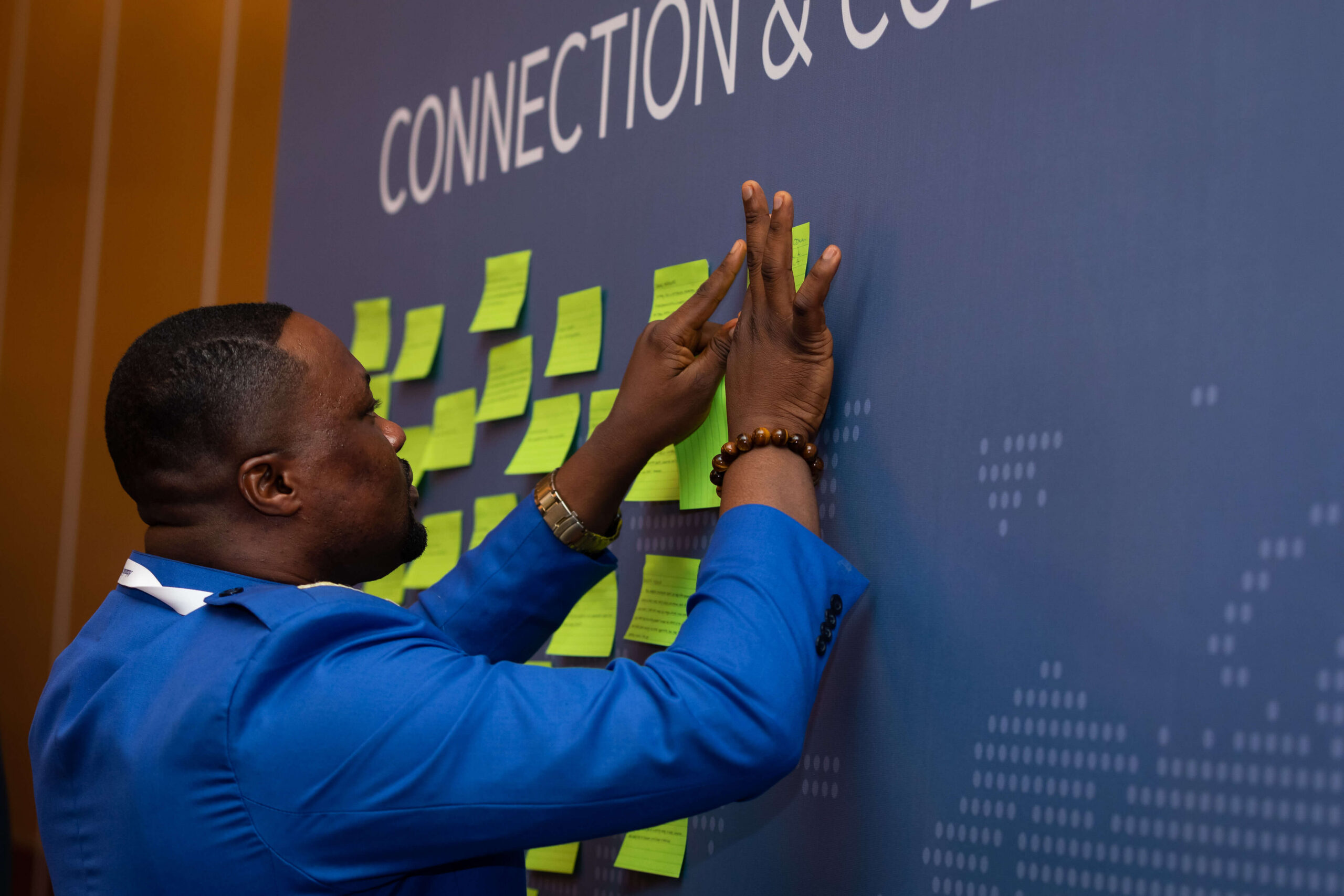
Shubha Nagesh

Rural India
Shubha Nagesh (2019 cohort) helped produce a collection of stories highlighting women health workers and community researchers in rural India. The publication brings visibility to women as leaders and changemakers in healthcare, sharing how they are improving maternal and child health, advancing community-based research, and shaping policies and services in underserved communities. By documenting their experiences, the collection helps recognize and amplify the contributions of women whose work is often overlooked.
Learn More
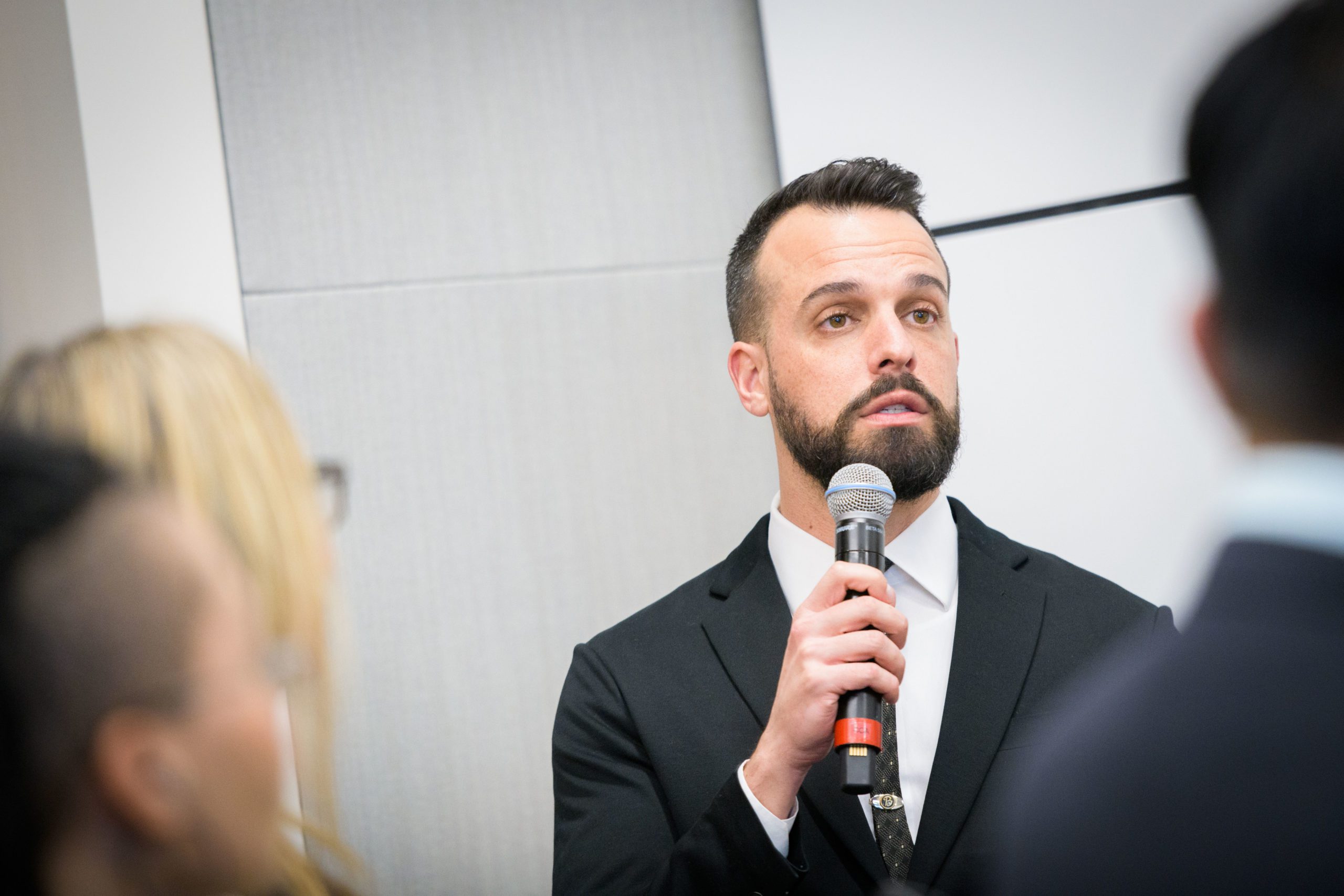
Man in a suit speaking intro a microphone.

Boston, Massachusetts
Bram Wispelwey (2020 cohort) and his team developed the Healing ARC to address racial disparities in care at Brigham and Women’s Hospital, where Black and Latine patients with heart failure were less likely than white patients to be admitted to cardiology despite having similar medical needs. Their clinical tool alerts doctors when a patient may be affected by past inequities and recommends cardiology care. In two years, the intervention helped more than 90 Black and Latine patients receive care they might otherwise have been denied.
Learn More
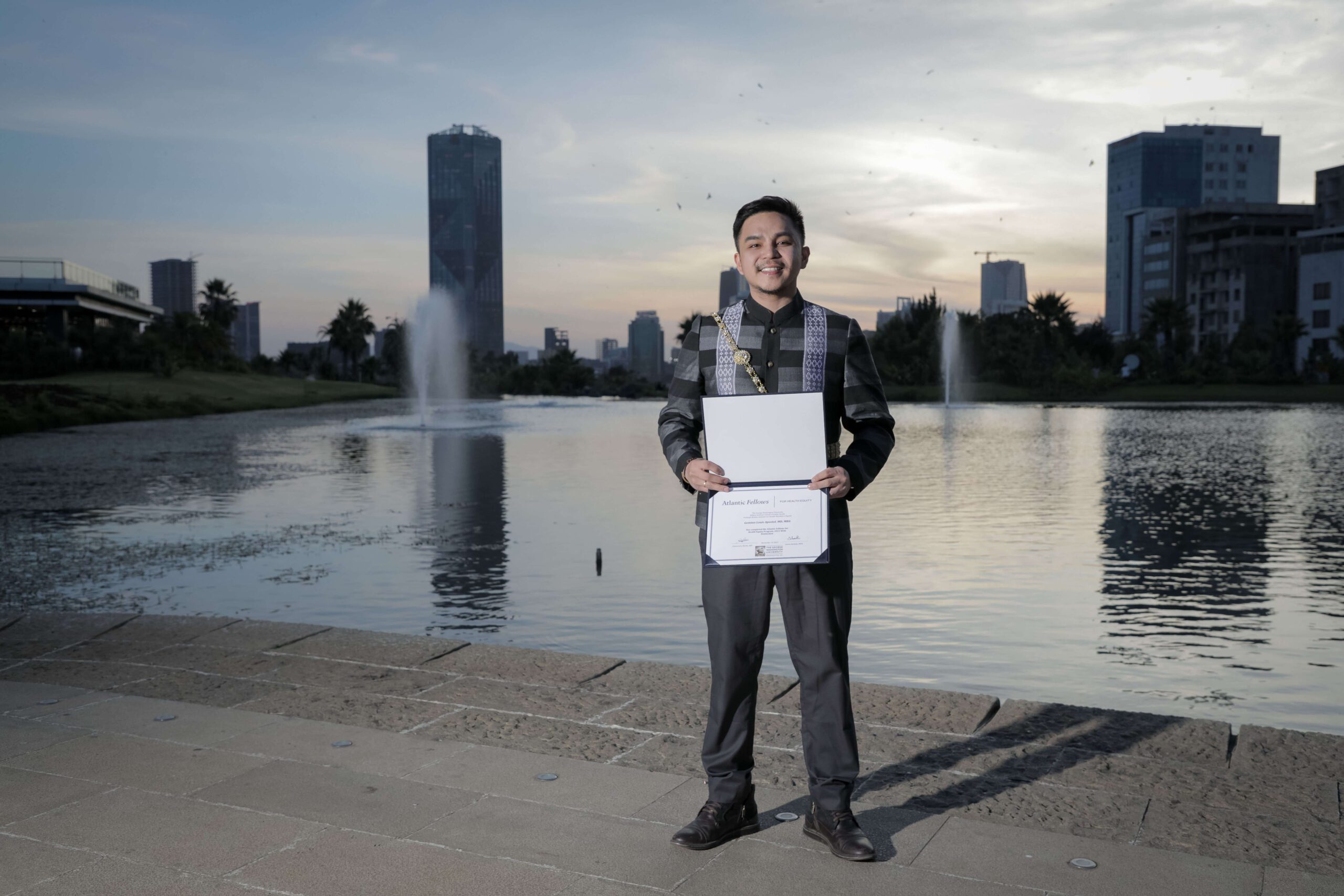
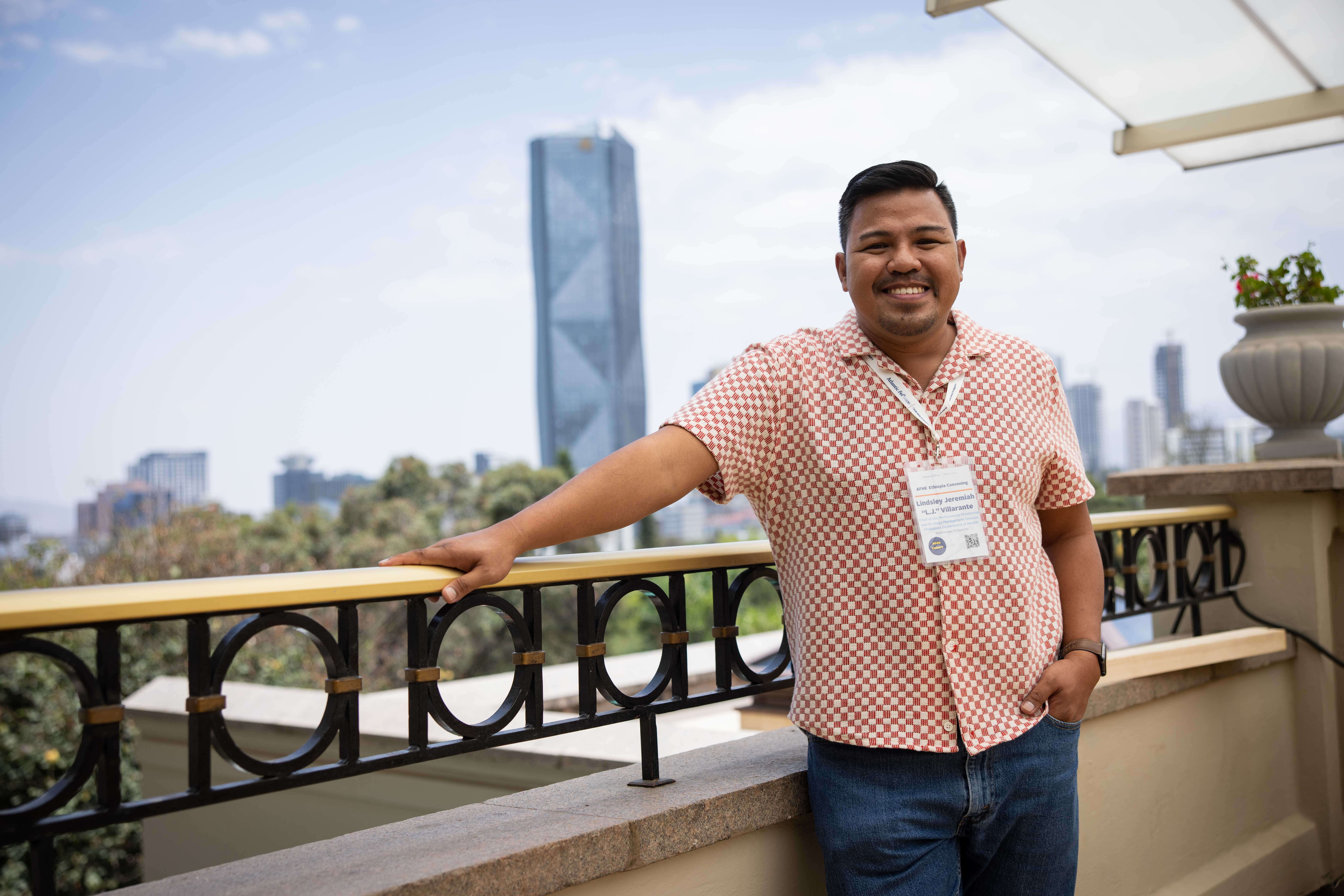
A smiling man wearing a patterned shirt and lanyard leaning against a balcony railing with a city skyline behind him.

Philippines
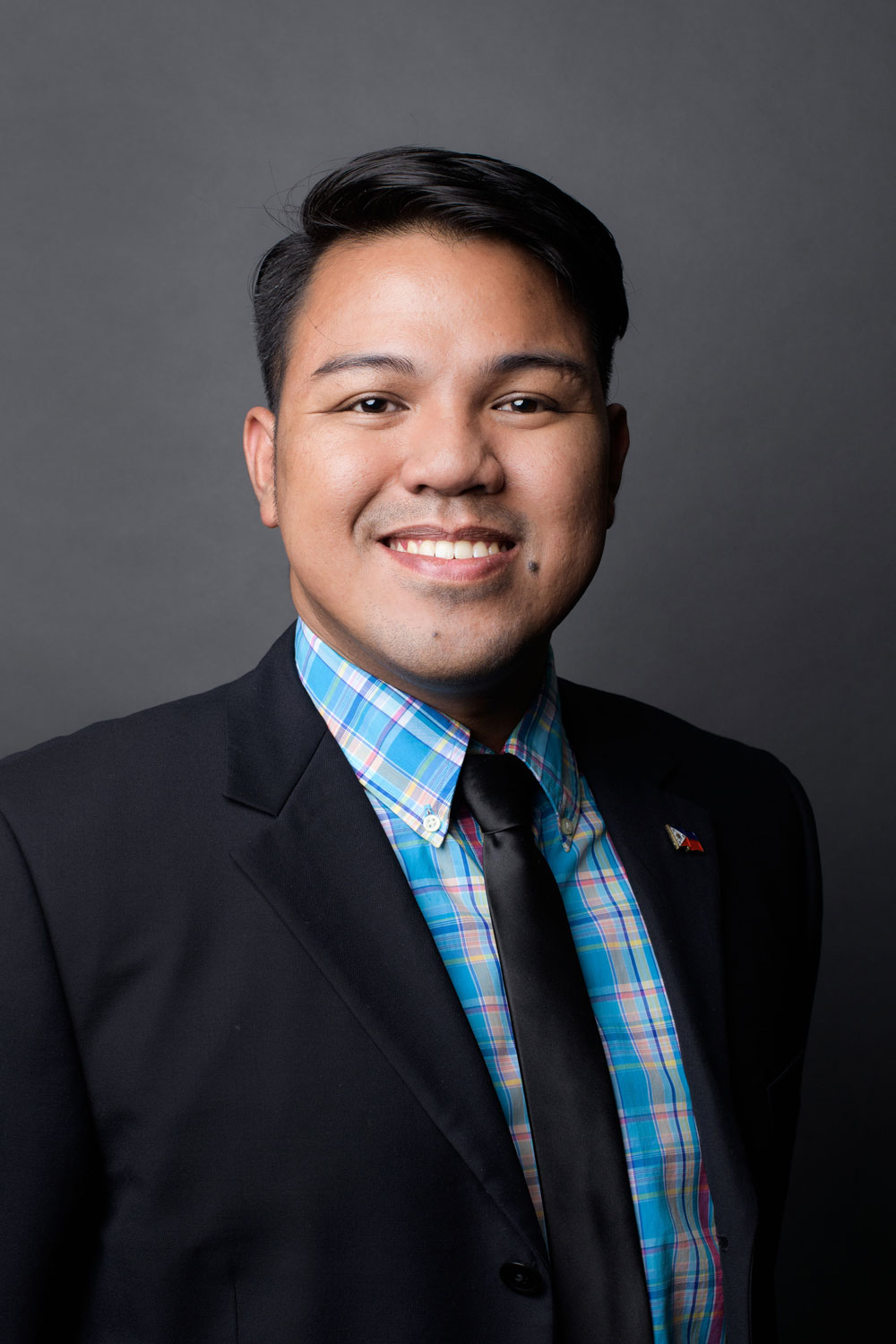
Lindsley Jeremiah Villarante (2020 cohort) and his team helped shape the Philippines’ National Objectives for Health 2023–2028, the country’s strategic roadmap for the health sector. Adopted by the Office of the President, the plan sets priorities for national agencies and provides a framework for local governments to align their health policies and programs, helping coordinate efforts to improve health outcomes nationwide.
Learn More
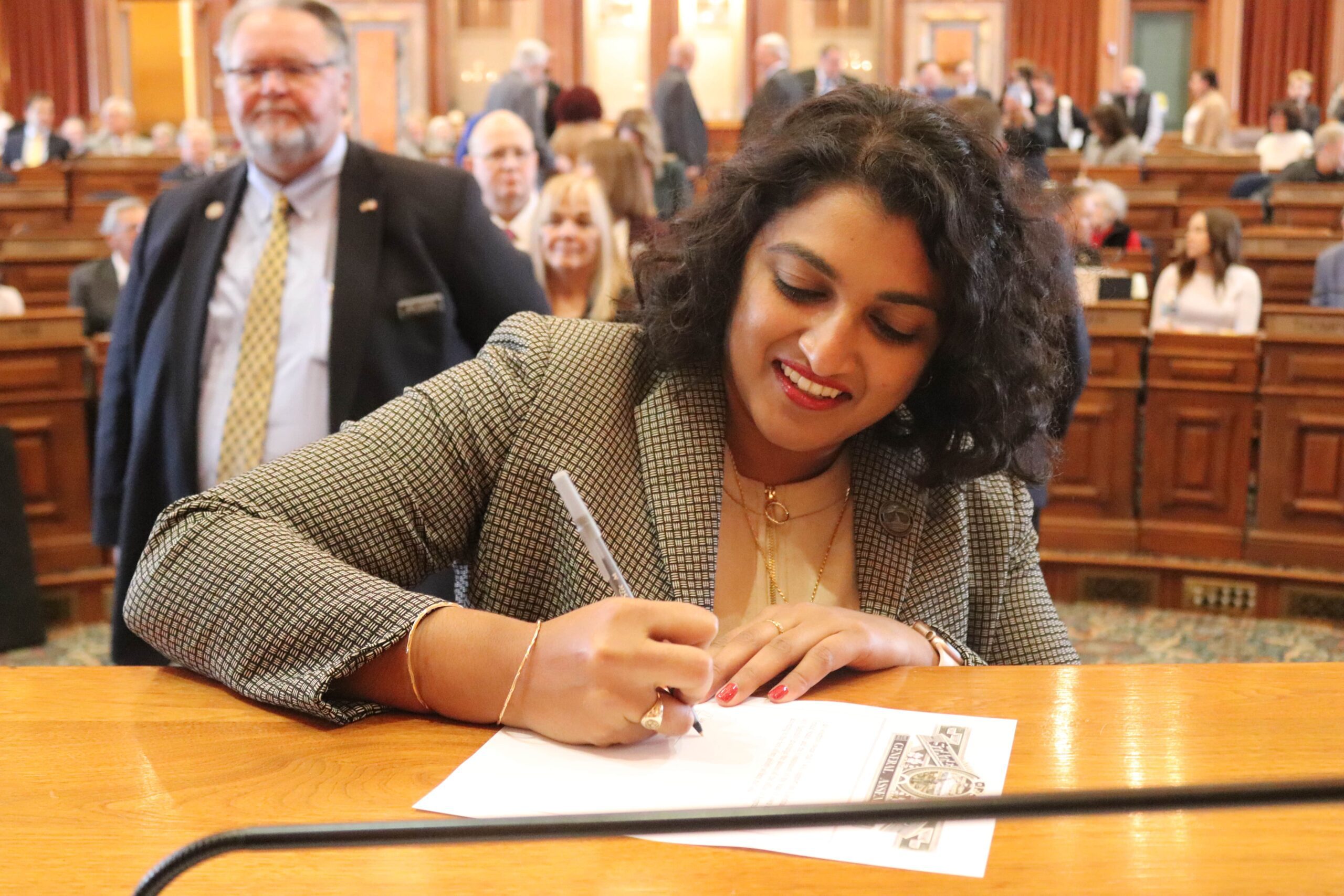
Woman signing a piece of paper

Iowa
Megan Srinivas (2020 cohort) brings her experience as an infectious disease physician into policymaking as a member of the Iowa House of Representatives. After seeing gaps in Iowa’s healthcare system firsthand, Megan ran for office to help address them through policy. She now serves on health-focused state bodies, bringing her clinical and public health expertise to decisions affecting healthcare access and outcomes across Iowa. 
Learn More
Peter Gan Kim Soon speaking into a microphone.

Kuala Lumpur, Malaysia
Peter Gan Kim Soon (2020 cohort) served on the Ministry of Health core team that supported the development of The Future of Health Workforce in Malaysia: A Strategic Roadmap. He helped shape its direction and reviewed its findings at several stages. Malaysia's health workforce is under real strain, with wide rural-urban disparities and a steady drift of talent overseas. This work advances a more equitable system in which geography, income and institutional constraints do not determine access to skilled health professionals.
Learn More
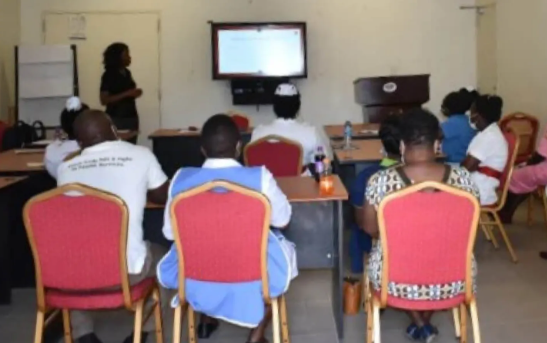
People in red chairs looking at a screen

United States, Uganda, Australia
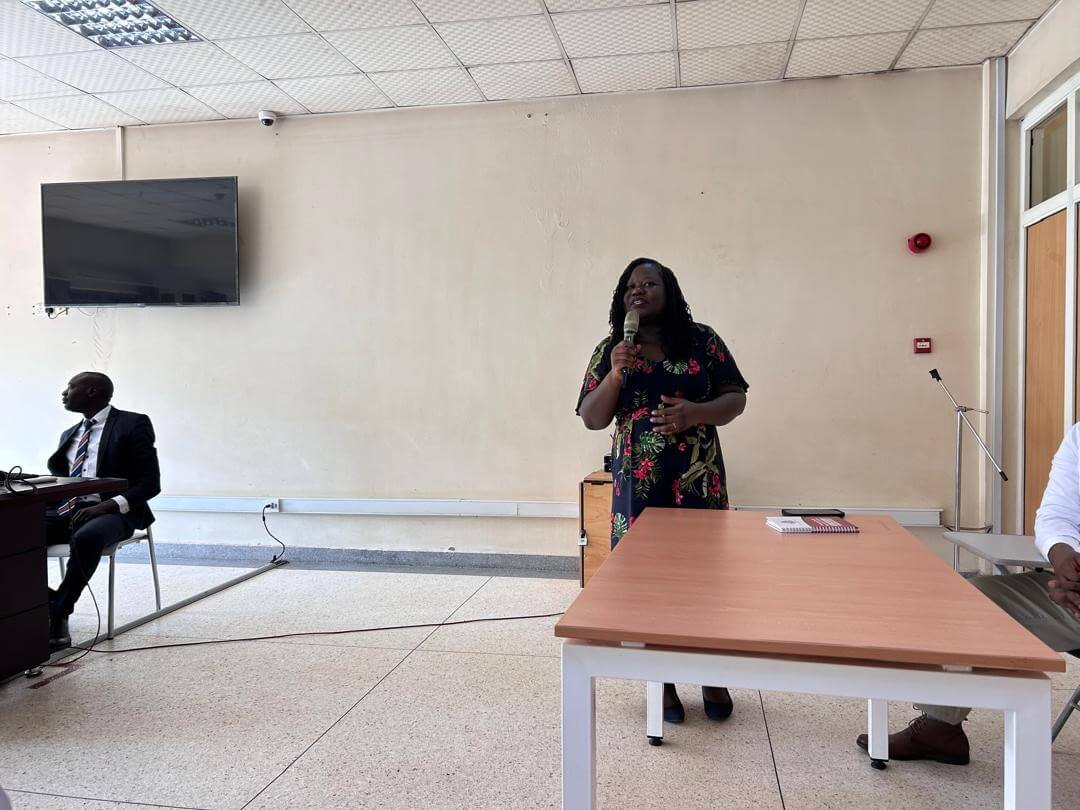
Elena Rivera (2020 cohort) and Rose Mary Nakame (2020 cohort) were part of a global team that trained health workers and grassroots advocates to use storytelling as a tool for advocacy. The project trained 37 rural health workers in Uganda, 10 U.S. grassroots advocates, and eight Atlantic Fellows, equipping participants with storytelling techniques and tools to elevate community experiences and advocate on issues including healthcare, housing, immigrant rights, disability, childcare, and resource navigation.
Learn More
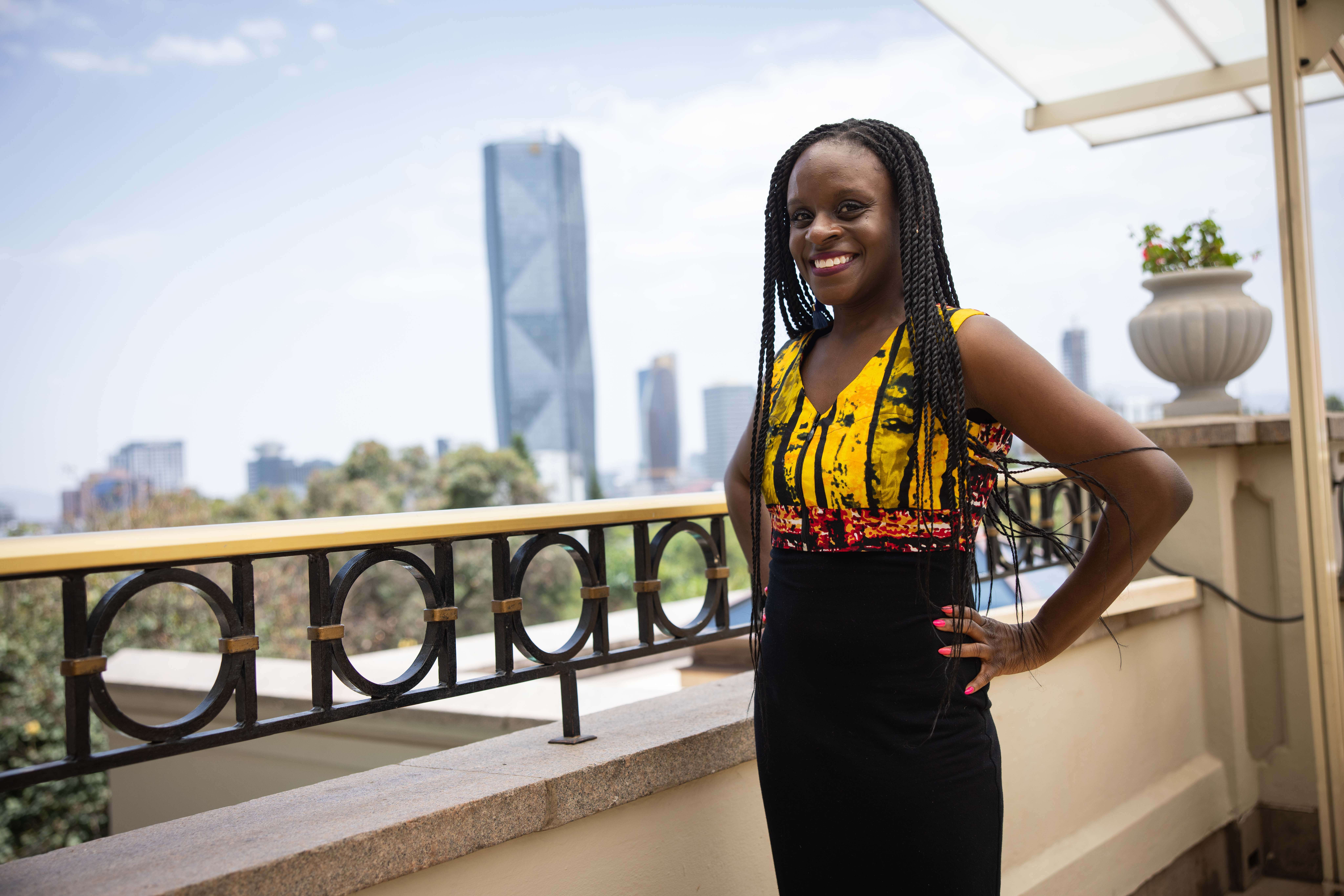
A smiling woman with long braided hair posing on a balcony overlooking a city skyline.

Maryland
Nkem Osian (2020 cohort) is raising awareness of uterine fibroids and the significant health and quality-of-life impacts they can have, particularly for Black women who are disproportionately affected. Drawing on her own experience, Nkem advocates for more research, better access to treatment, and culturally responsive care for the millions of women living with fibroids.
Learn More
Woman with crutches receiving a rose from a boy.

Kenya, India
Mildred Omino (2020 cohort) and Shubha Nagesh (2019 cohort) co-authored a chapter on supporting children with disabilities during crises, including the COVID-19 pandemic. Their work outlines approaches that bring together healthcare and rehabilitation, support for families and caregivers, education, and policy advocacy, offering a framework for more comprehensive care when emergencies disrupt essential services.
Learn More

Virginia
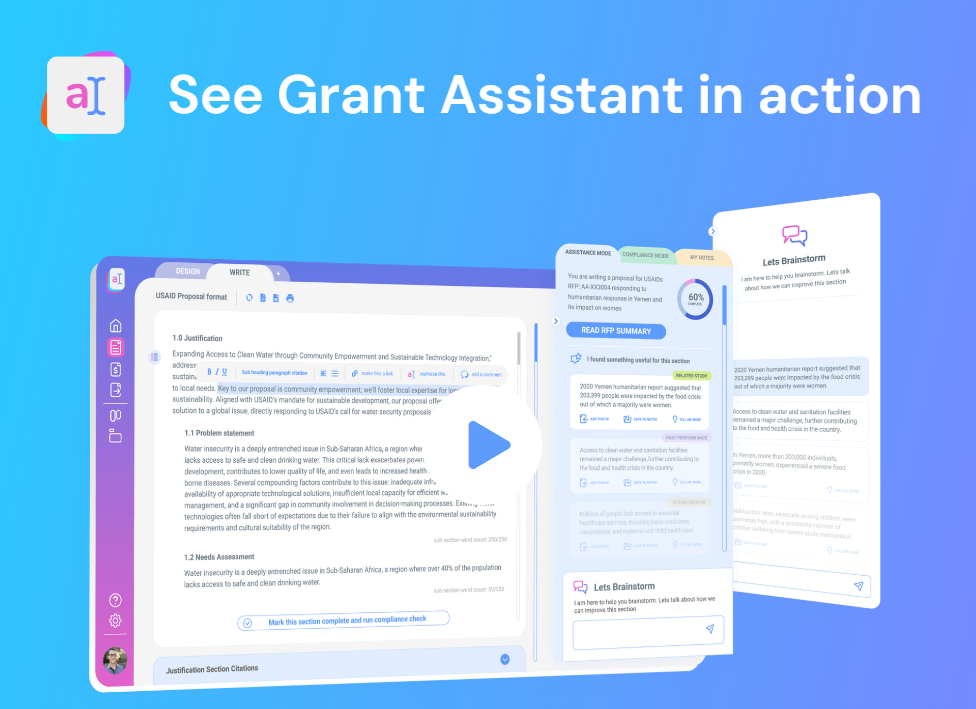
Mustafa Hasnain Nadir (2020 cohort), alongside a team that included Gilberto Lopez (2020 cohort), developed an AI-enhanced toolkit that simplifies the process of preparing proposals for international grants and cooperative agreements. By providing a step-by-step workflow, the tool helps smaller organizations navigate complex funding processes and compete for opportunities that may otherwise be out of reach. 
Learn More
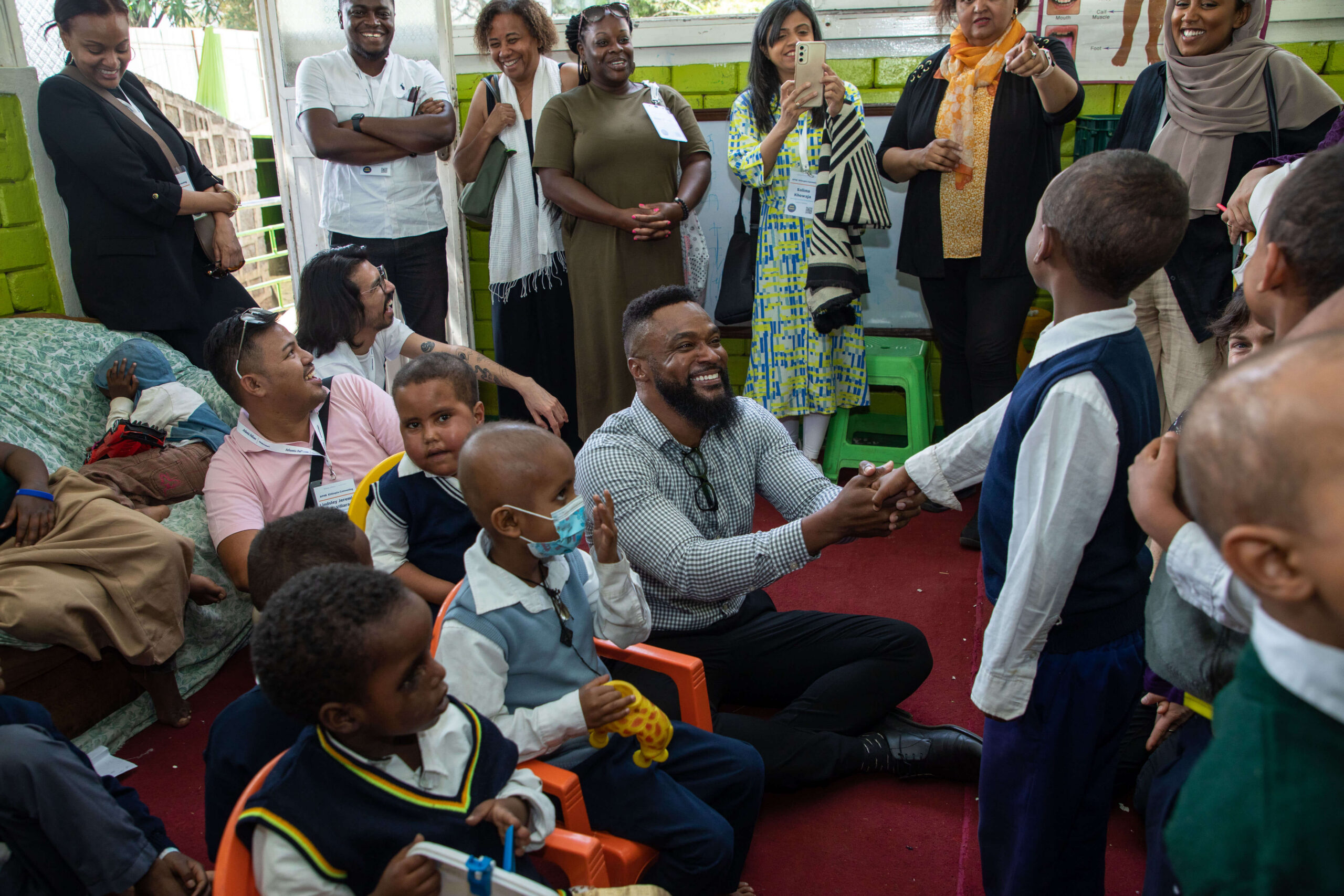
A man sitting on the floor smiling and shaking hands with a young boy surrounded by children and adult observers indoors.

Eastern Caribbean
Bertrand Moses (2020 cohort) helped build a regional approach to youth mental health in the Caribbean, first developing mental health resources and referral systems in Trinidad and Tobago and later establishing a youth mental health network spanning 17 Caribbean countries. Together with young people, governments, academics, NGOs, and businesses, he helped develop YoungCaribbeanMinds.com, the Caribbean’s first youth mental health resource platform, offering service directories, a digital workbook, text support, games, and other tools. The platform has reached more than 100,000 young people and continues to expand across the region.
Learn More
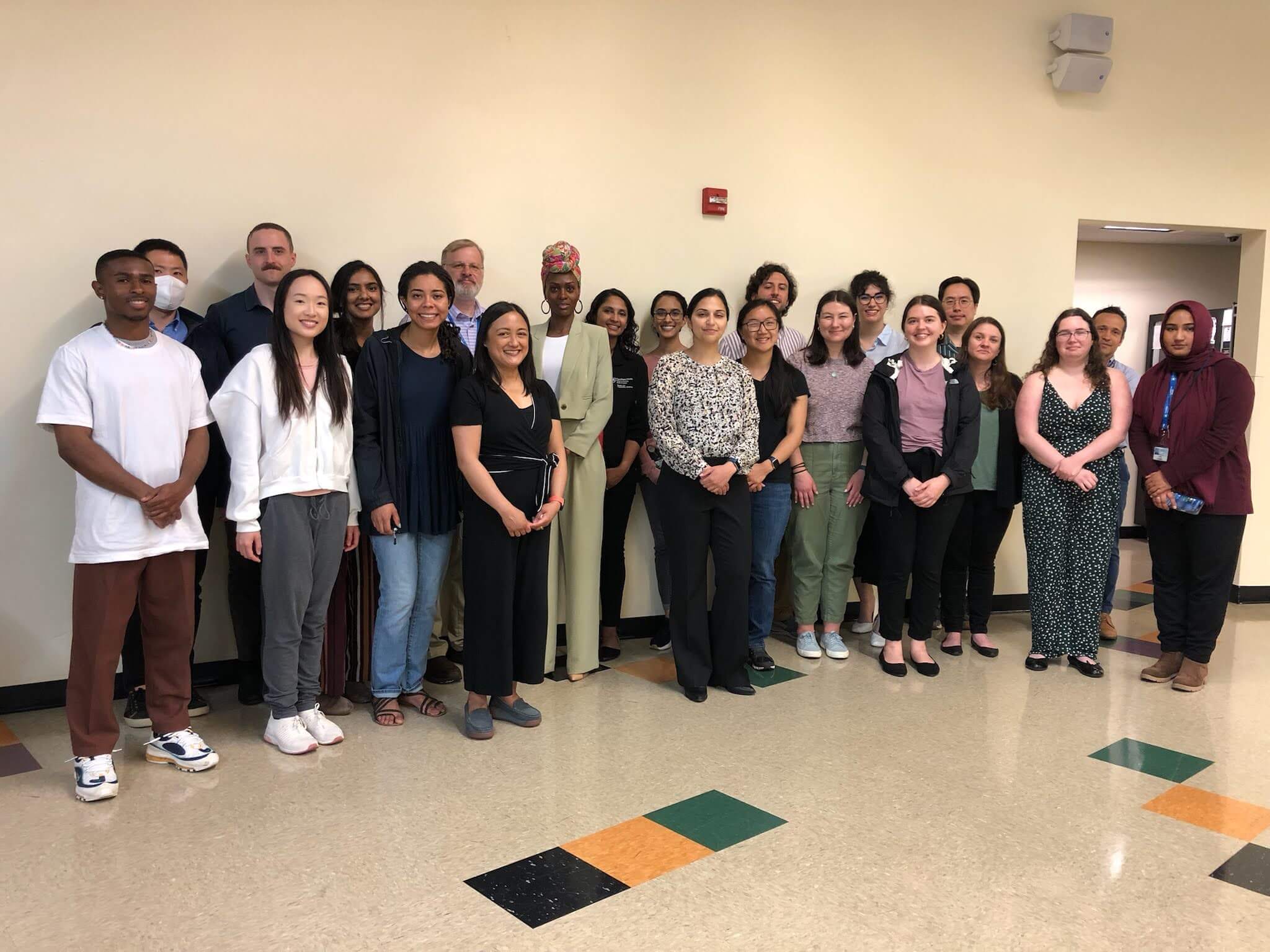
A diverse group of young adults and professionals posing for a group photo indoors.

Harrisburg, Pennsylvania
Medha Makhlouf (2020 cohort) created and leads a Health Equity Immersion program that brings law, medical, and public health students together for experiential learning in community settings. Through visits to organizations serving local communities, students explore how legal and policy decisions shape health outcomes and gain a deeper understanding of the systems that influence people’s health and well-being. The program was inspired in part by Medha’s experiences at AFHE convenings.
Learn More
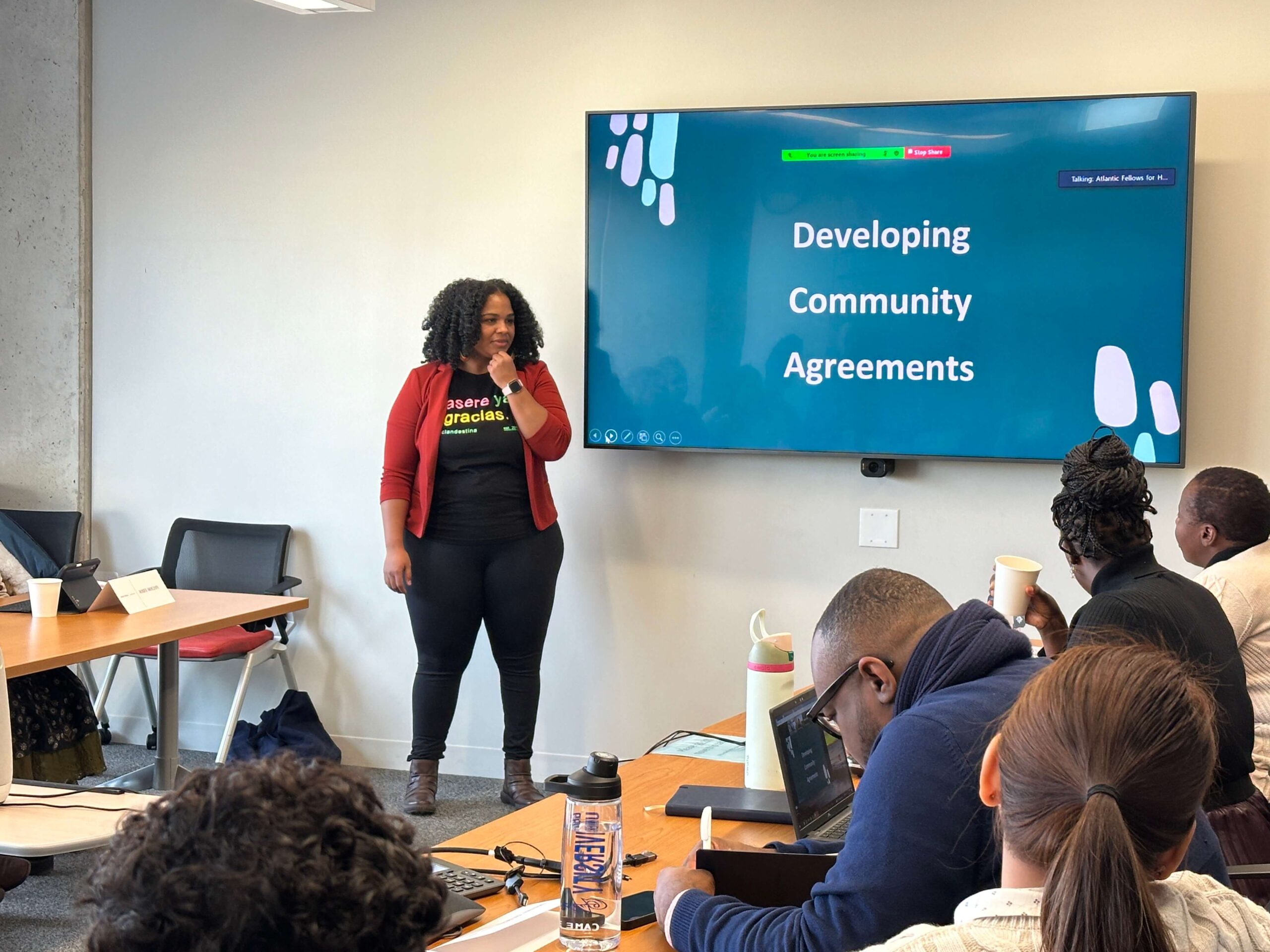
Gabrielle Jackson leading a session at the 2024 Initial Convening

Washington, DC
Gabrielle Jackson (2020 cohort) developed the Alive & Well Discussion Series, a curriculum that equips community members to create safe spaces and facilitate peer conversations about mental health and well-being. Designed with Black immigrants, including people who are currently or formerly undocumented, in mind, the curriculum helps communities address stigma, connect with support, and recognize mental wellness as a shared responsibility. It also offers a model for creating culturally responsive spaces for other communities.
Learn More
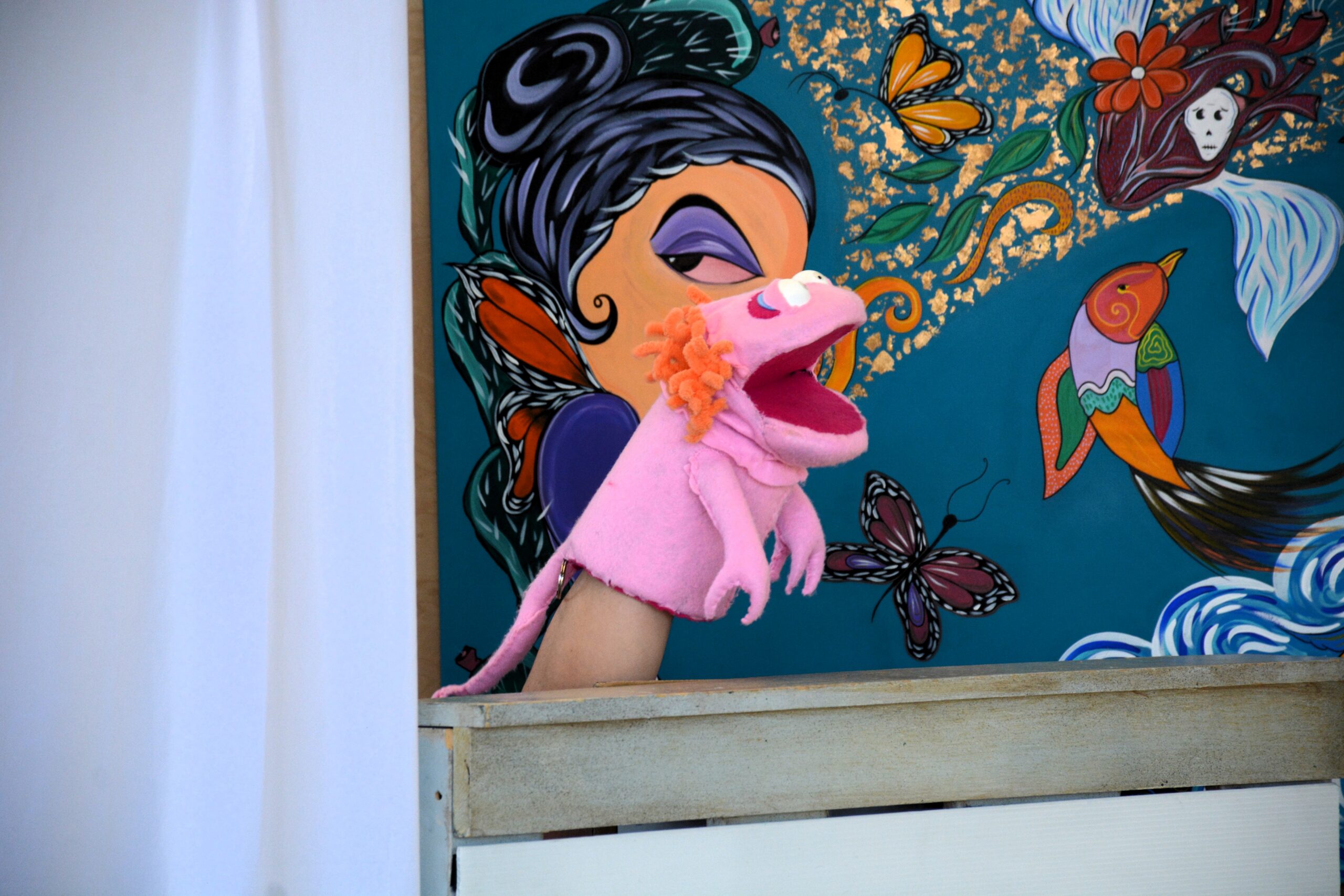
A pink puppet against a painted background.

South Phoenix, Arizona
Gilberto Lopez (2020 cohort), alongside colleagues and community partners, helped develop Agua es Vida, an interactive exhibit making water science accessible and culturally relevant to South Phoenix’s Latino community. Through bilingual materials, murals, hands-on activities, and virtual reality, the exhibit helps residents understand local water systems and equips them to engage with and advocate for their communities’ water needs.
Learn More
Man with his hand across his chest.

Columbia, South Carolina
Liam Hein (2020 cohort) helps shape the nursing profession’s definitive ethical guidance as Vice Chair of the American Nurses Association’s Ethics and Human Rights Advisory Board and member of the 2025 Code of Ethics Writing Panel. This newly revised Code provides a robust framework for navigating complex healthcare decisions while emphasizing the profession’s critical role in advancing health equity.
Learn More
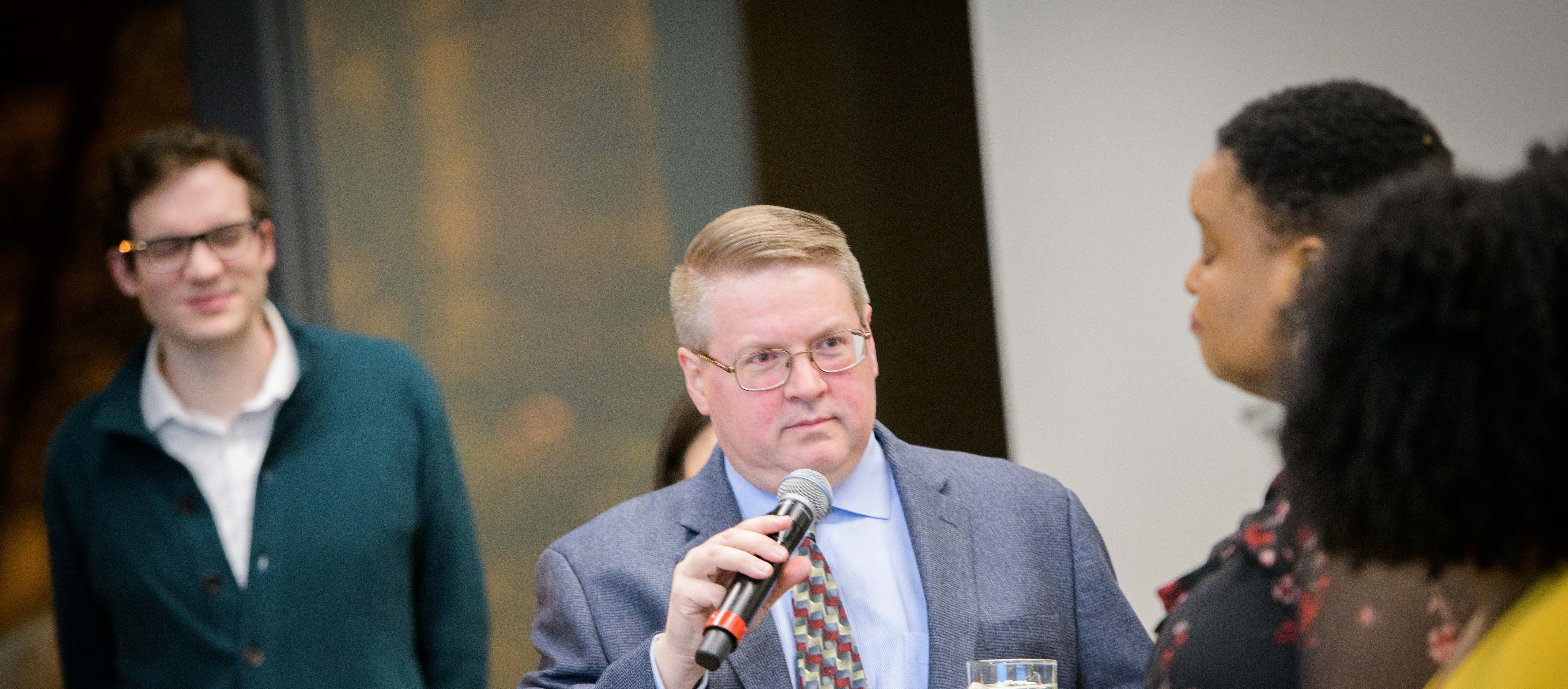
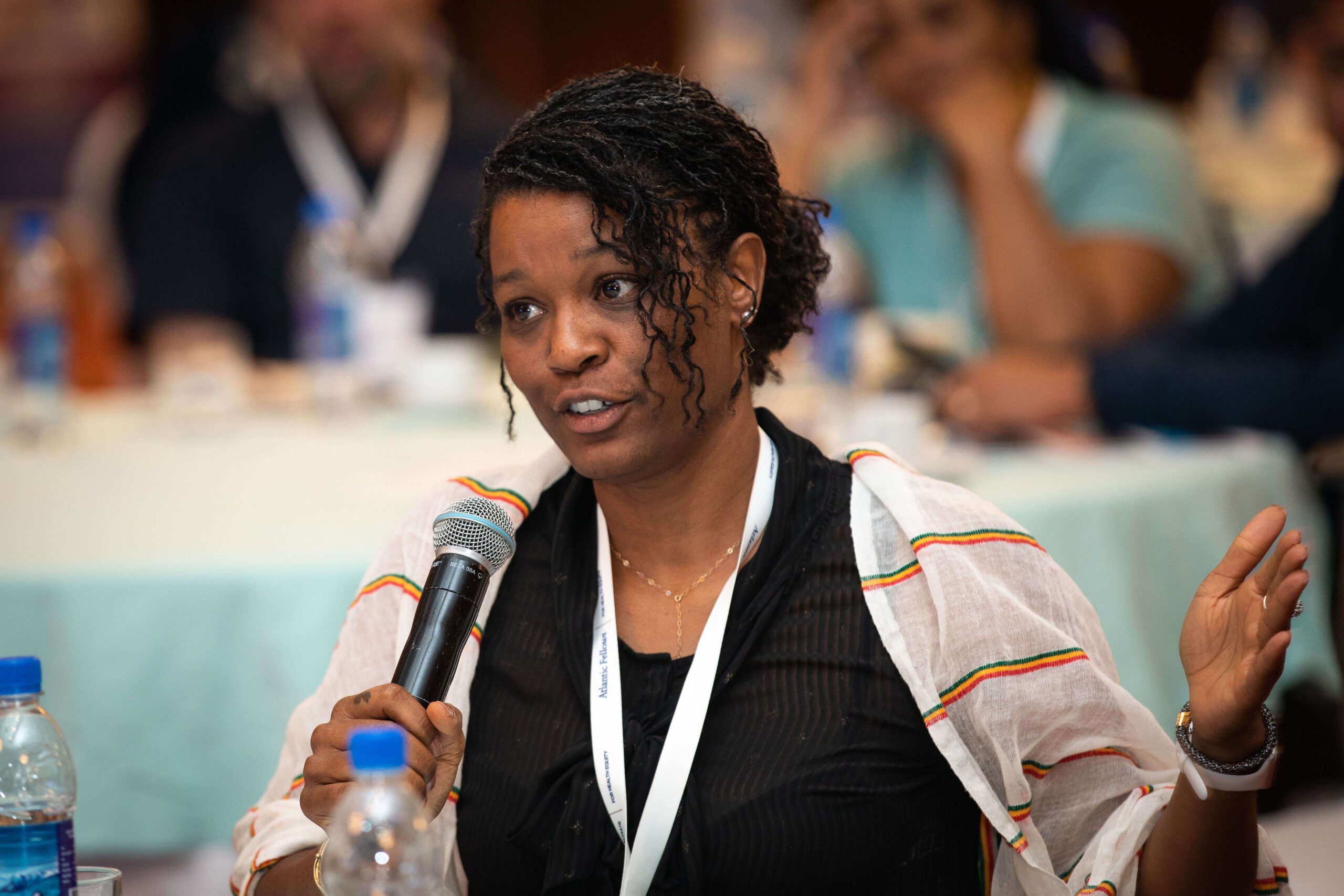
Kevin Heckman speaking into a microphone

Geneva, Illinois
Kevin Heckman (2020 cohort) helped evaluate the American Medical Association’s Innovation Grant Program, which funds new approaches to medical education. His team reviewed 27 completed projects from the program’s first two years and found that 15 produced shareable curricula, assessment tools, or teaching modules, while 15 were presented at national conferences. The findings offer a practical lesson for supporting innovation: funding can help educators develop new approaches, but sharing and evaluating those innovations is key to helping them spread.
Learn More
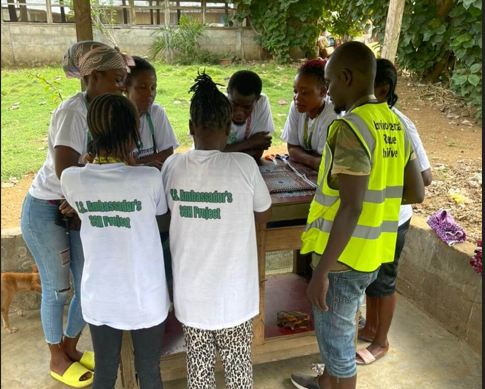
A group of people outdoors, standing around a tall wooden table.

Paynesville, Liberia
Abraham Freeman (2020 cohort) leads the Environmental Rescue Initiative in Liberia to turn plastic waste into economic opportunity. His team trains women who head households to transform discarded plastics and fabric into products such as backpacks, laptop bags, and raincoats. Women receive 75% of the income from bag sales, creating a source of earnings while reducing plastic waste in their communities.
Learn More

three people taking a selfie

Delhi, India
Shubham Choudary (2020 cohort) leads Safe Access, a community-led organization working to improve health and well-being for queer and trans people in India. Through its free and confidential Peer Support Service, trained LGBTQ+ community members provide one-on-one emotional support to people experiencing challenges related to gender and sexuality. The service is available in 15 languages and is built on a simple idea: people with shared experiences can play a powerful role in supporting one another.
Learn More
Monique Brown standing at a podium speaking

New Orleans, Louisiana
Monique Brown (2020 cohort) advocates for coordinated action to address the health impacts of climate change in New Orleans. In a letter to The New York Times, she called for federal and state governments to work alongside local communities to develop climate solutions that reflect the needs of the people most affected. Her work highlights the importance of bringing public health and community voices into decisions about how cities prepare for a changing climate.
Learn More
AFHE Fellows posing for a group picture.

Pakistan, India, Philippines, Malaysia
Bilal Asim (2020 cohort), Shubha Nagesh (2019 cohort), Peter Gan Kim Soon (2020 cohort) and Lindsley Jeremiah Villarante (2020 cohort) came together in response to devastating flooding in Pakistan to call for stronger climate action across the Asia-Pacific region. Their recommendations included investing in climate-resilient health systems, strengthening disaster preparedness, and centering the communities most affected by climate change in planning and response.
Learn More
Man in a blue shirt with his phone in one hand and a microphone in the other.

Kumasi, Ghana
Elliot Koranteng Tannor (2019 cohort) and his team made history with Kumasi’s first-ever kidney transplant, expanding access to life-saving treatment for patients with end-stage kidney disease. With more than 15,400 Ghanaians living with kidney failure and limited access to transplantation, Elliot is also advocating for a national renal transplant program, increased specialist training, and policies that support organ donation.
Learn More
woman giving presentation

Providence, Rhode Island
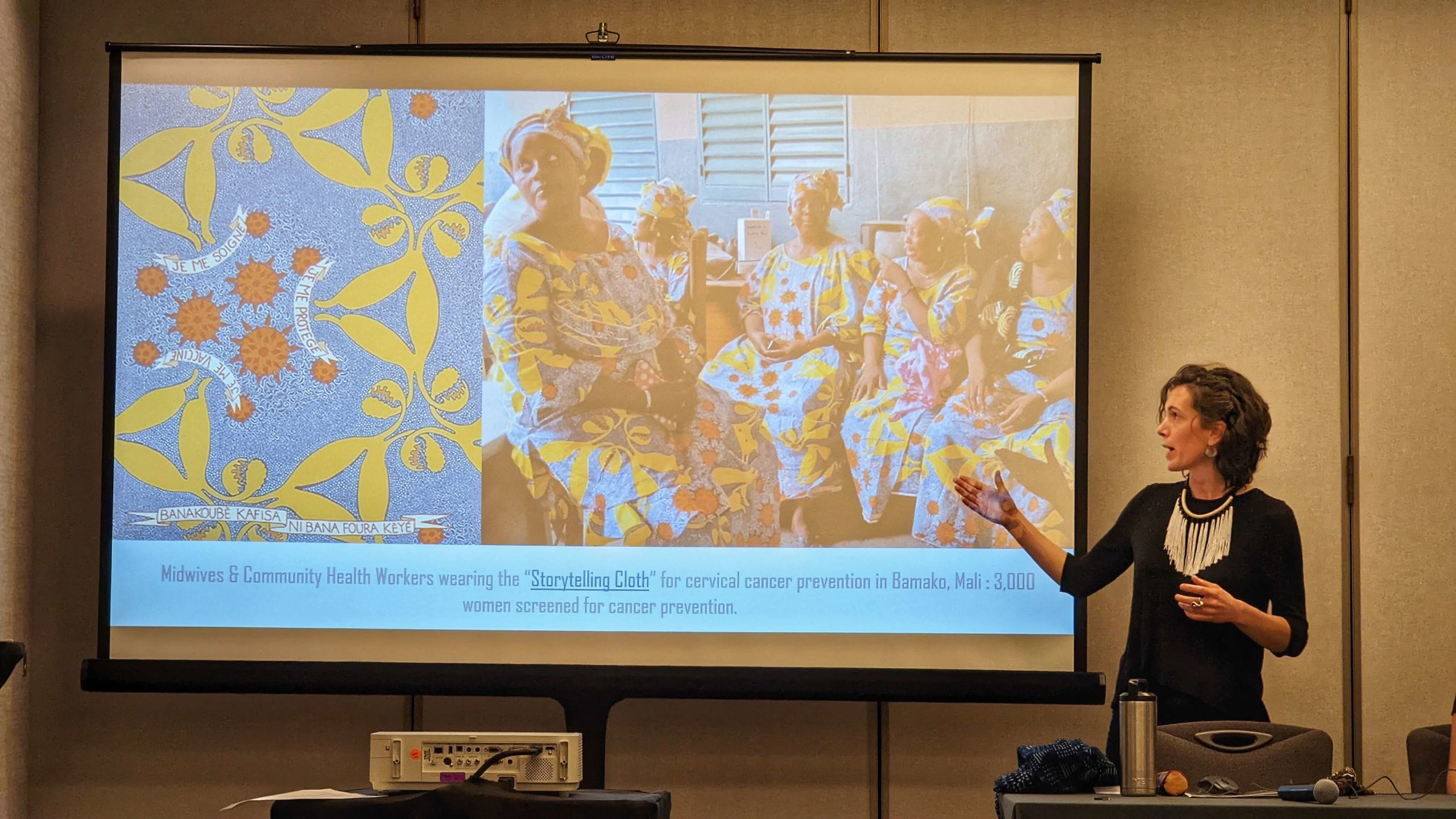
Eliza Squibb (2019 cohort) collaborated with local artists, artisans, and the ministry of health in Niger to create a two-yard cloth that doubles as a baby wrap and a visual vaccination calendar. Printed with symbols representing the childhood vaccination schedule, the cloth helps mothers with low literacy track the time between appointments and know when to return to the clinic. This created a practical, culturally relevant tool that gave mothers greater agency in their children’s health.
Learn More
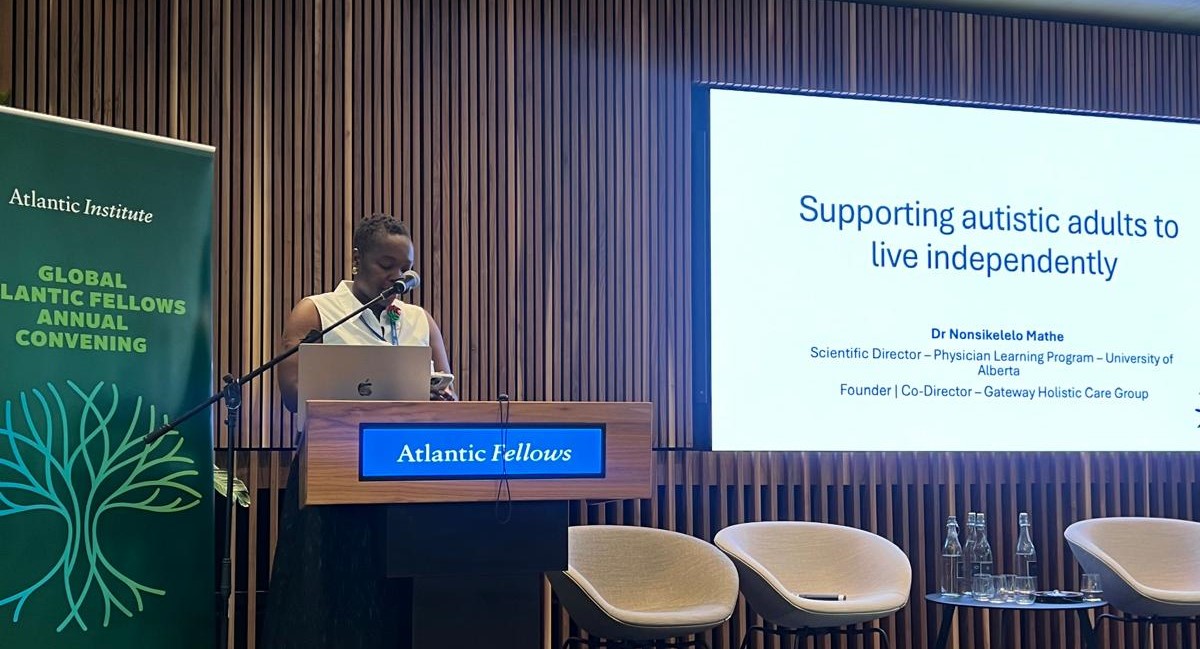
woman speaking in front of a screen

Washington, DC
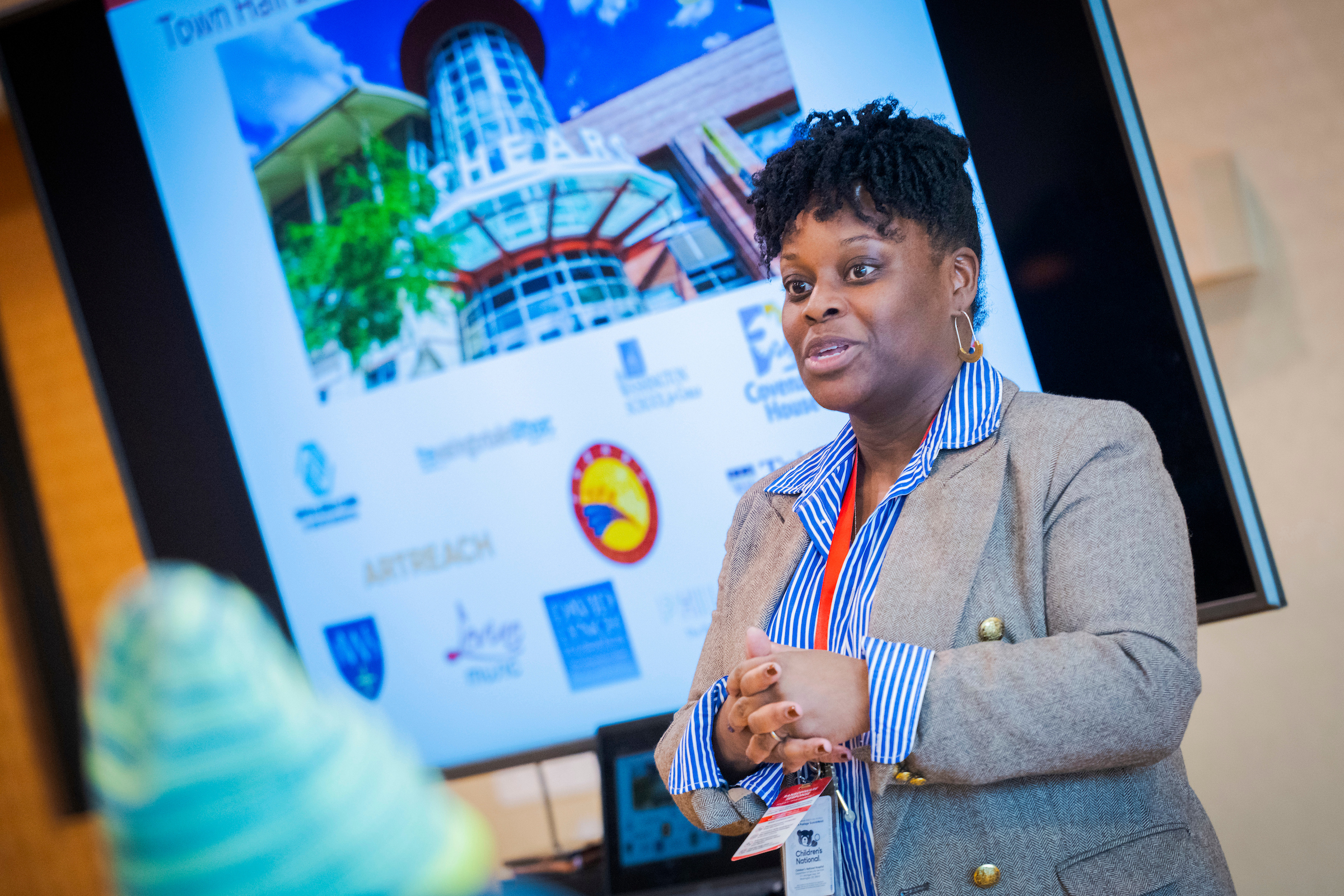
Hope Rhodes (2019 cohort) leads Children’s National Hospital’s mobile medical program, bringing pediatric care directly to children and families across Washington, D.C. The team supports more than 1,500 children each year and reaches all 117 public schools. With the launch of a second mobile unit, the program is expanding access to services ranging from immunizations and asthma treatment to pediatric mental health support, bringing care closer to children who face barriers to traditional health services.
Learn More
Lindsey Pollaczek speaking at a reception

San Jose, California
Lindsey Pollaczek (2019 cohort) has helped build and expand Fistula Foundation programs connecting women living with obstetric fistula to life-changing care. She also contributed to a multicenter study documenting the reach, impact, and cost-effectiveness of fistula treatment, finding surgery highly cost-effective compared with other health interventions and strengthening the case for prioritizing fistula care in global maternal health.
Learn More
group of people sitting outdoors

Harmara, India
Monalisa Padhee (2019 cohort), with Bindi International, helped develop the Youth Climate Leadership Curriculum to connect global climate change to the lived realities of rural youth. Reaching 5,000+ students across 75 government schools, the curriculum helps students identify local climate impacts and solutions, share their perspectives, and take action through community initiatives.
Learn More
Ifeanyi Nsofor sitting down and speaking to two women.

Nigeria
Ifeanyi Nsofor (2019 cohort) serves as Project Director of the Vaccination Initiative Targeting Adolescent Lives (VITAL), an HPV vaccination project in Nigeria. The initiative works to increase HPV vaccination among 9-year-old girls through social media campaigns, pharmacist-caregiver engagement, behavioral research, and collaboration with governments to strengthen vaccination efforts and reduce cervical cancer rates.
Learn More
Jes Milberg Haydu speaking while Danielle Woodhouse Johnson looks on.

Los Angeles, California
Jes Milberg-Haydu (2019 cohort) contributed to the American Medical Association’s guide for embedding equity into crisis preparedness and response in health systems. Her work emphasizes the importance of addressing racial inequities in emergency planning and ensuring that health systems are better prepared to serve communities equitably during crises.
Learn More
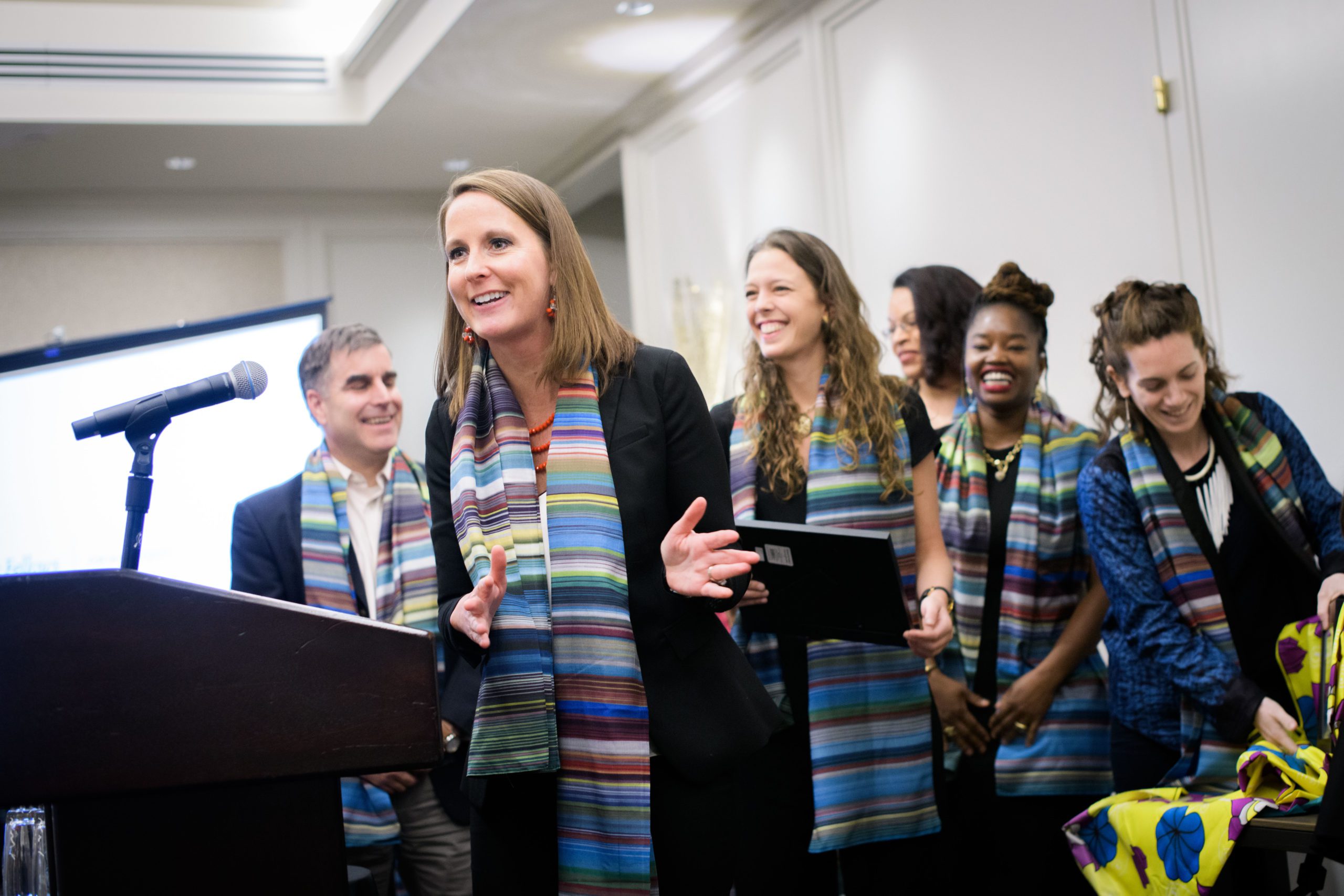
A woman speaking while a group is behind her, all in colorful scarves

Cleveland, Ohio
Anne Laux (2019 cohort) researched the availability and accessibility of mental health wellness services for law enforcement officers in Ohio. She has since developed a state-wide resource guide for public safety professionals. She also continues to advance legislation that allows for peer support to be privileged communications.
Learn More
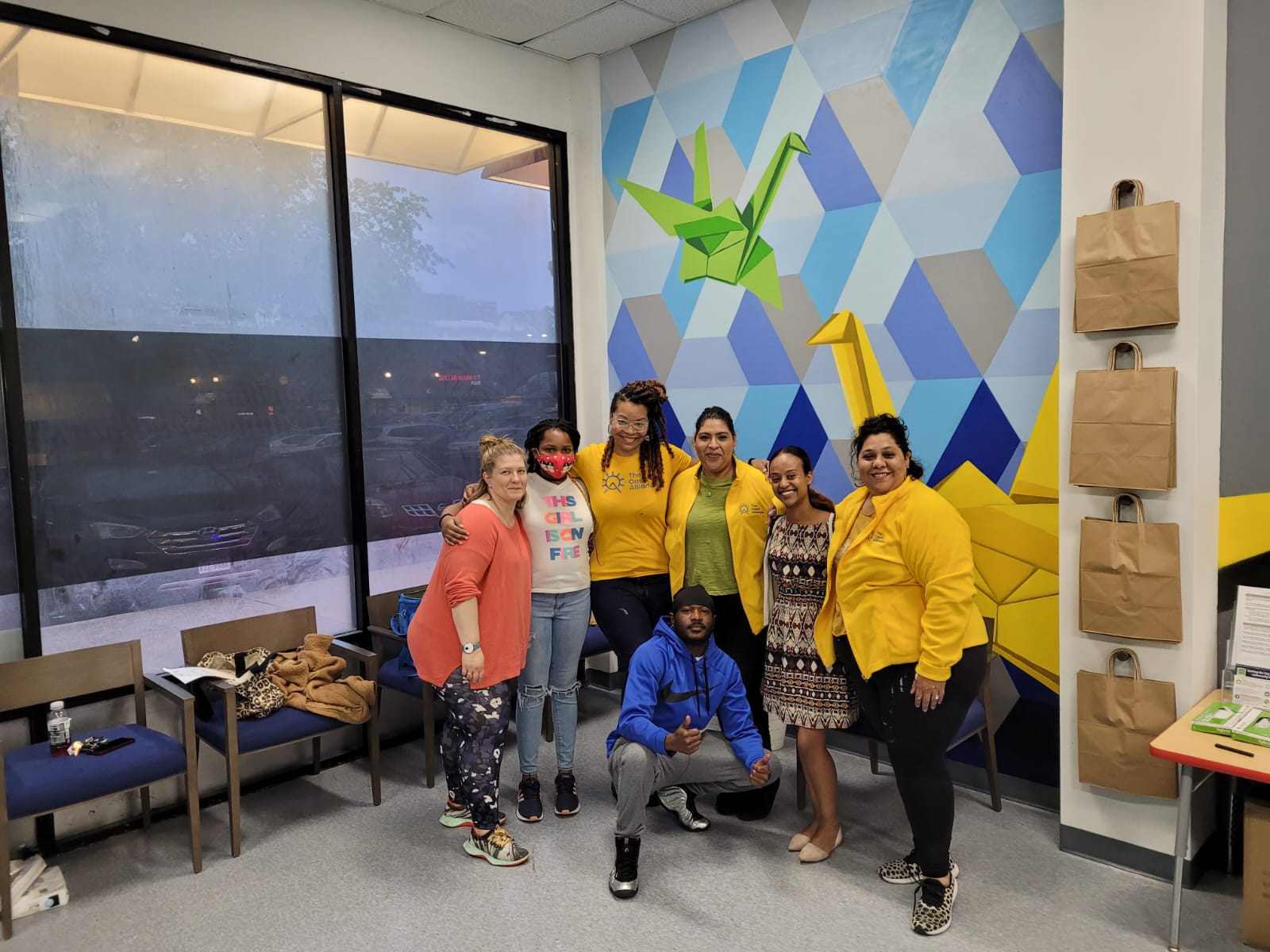
group smiling

Woodbridge, Virginia
Danielle Woodhouse Johnson (2019 cohort), founder of The Oasis Alliance, uses design to create spaces that support healing, dignity, and well-being for people experiencing trauma and loss. That approach extends to community spaces, including a food hub where families can choose fresh foods. Designed with welcoming spaces for children and community gatherings, the hub brings choice, dignity, and a sense of belonging into the experience of accessing essential resources.
Learn More
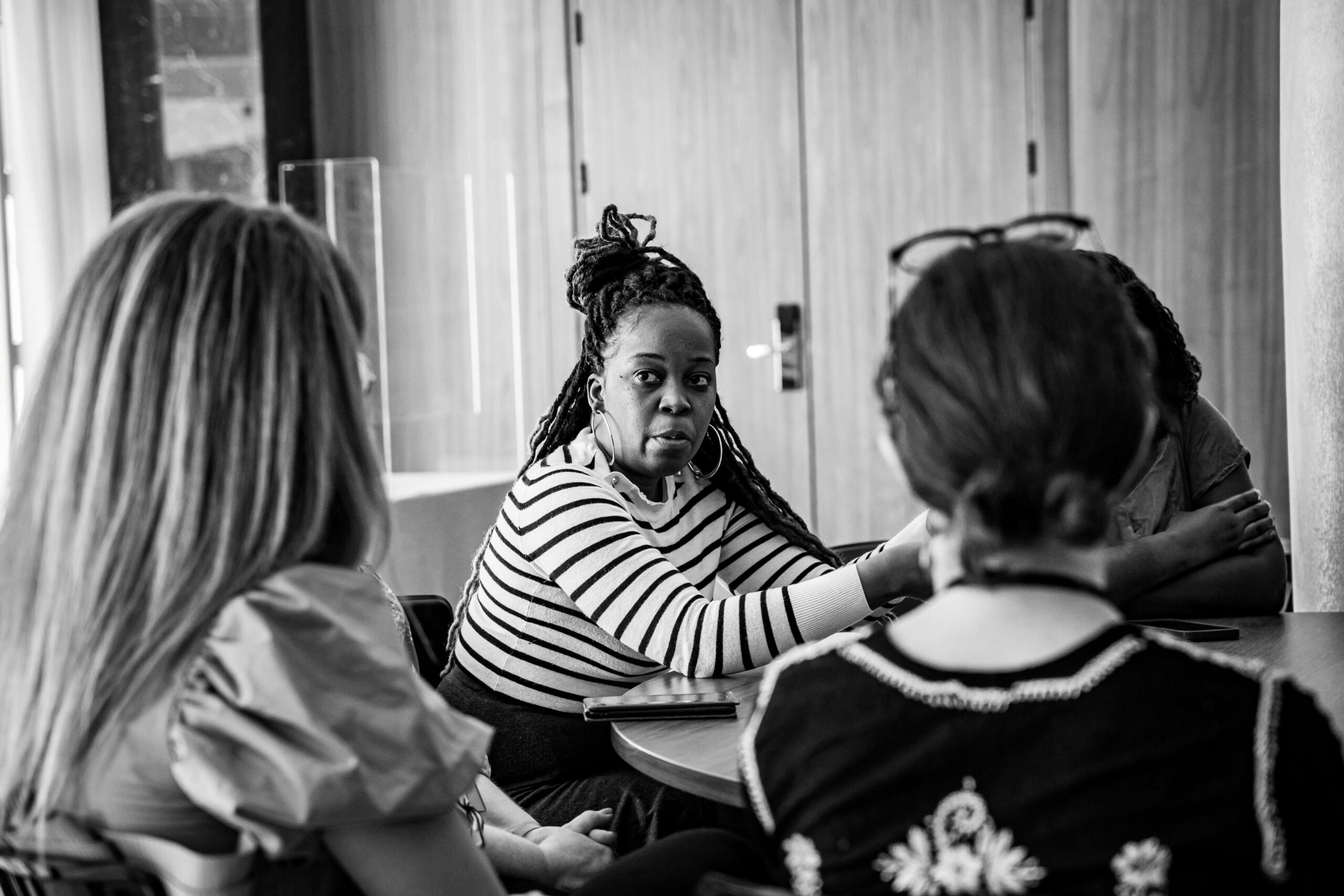
Black-and-white photo of a small group seated at a table in discussion, focusing on a woman with dreadlocks in a striped shirt speaking.

Zomba, Malawi
Esnatt Gondwe-Matekesa (2019 cohort) contributed to research showing that combining cash transfers with nutrition-sensitive interventions can improve maternal mental health in rural Malawi. The study found that adding cash reduced depressive symptoms among pregnant women and mothers of young children, demonstrating how addressing economic needs alongside nutrition and psychosocial support can benefit mental health.
Learn More
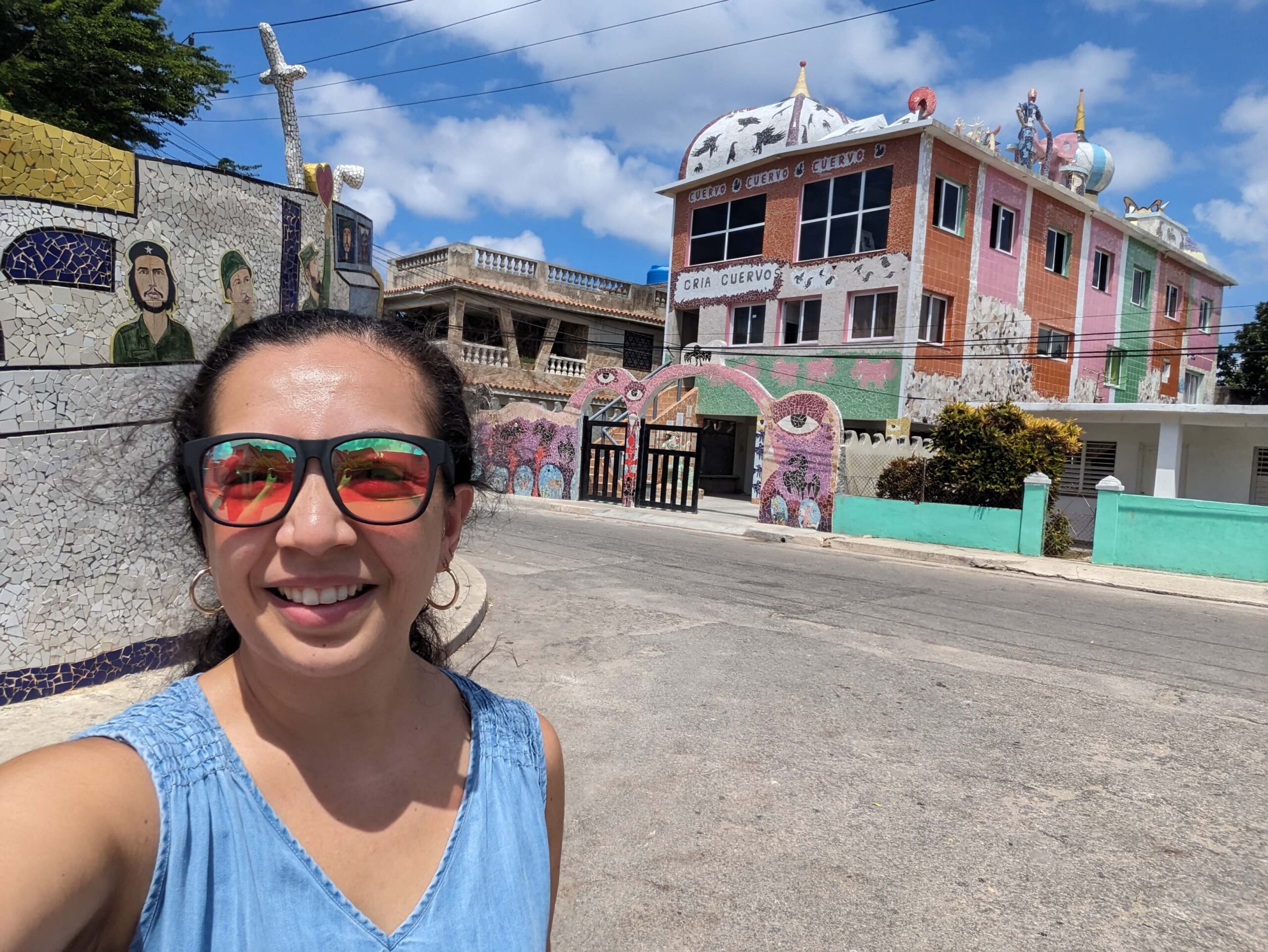
A smiling woman in a blue tank top and reflective sunglasses taking a selfie on a street with vibrant, mosaic-tiled colorful buildings (Fusterlandia in Havana, Cuba).

Detroit, Michigan
Esperanza Cantu (2019 cohort) helped develop a Community Information Exchange in Detroit as part of her fellowship project, and has since grown it into Connect4Care, a network connecting more than 40 community partners. By enabling organizations to coordinate information and referrals, the CIE creates more seamless pathways to healthcare, food, transportation, and other essential services for people navigating complex needs.
Learn More
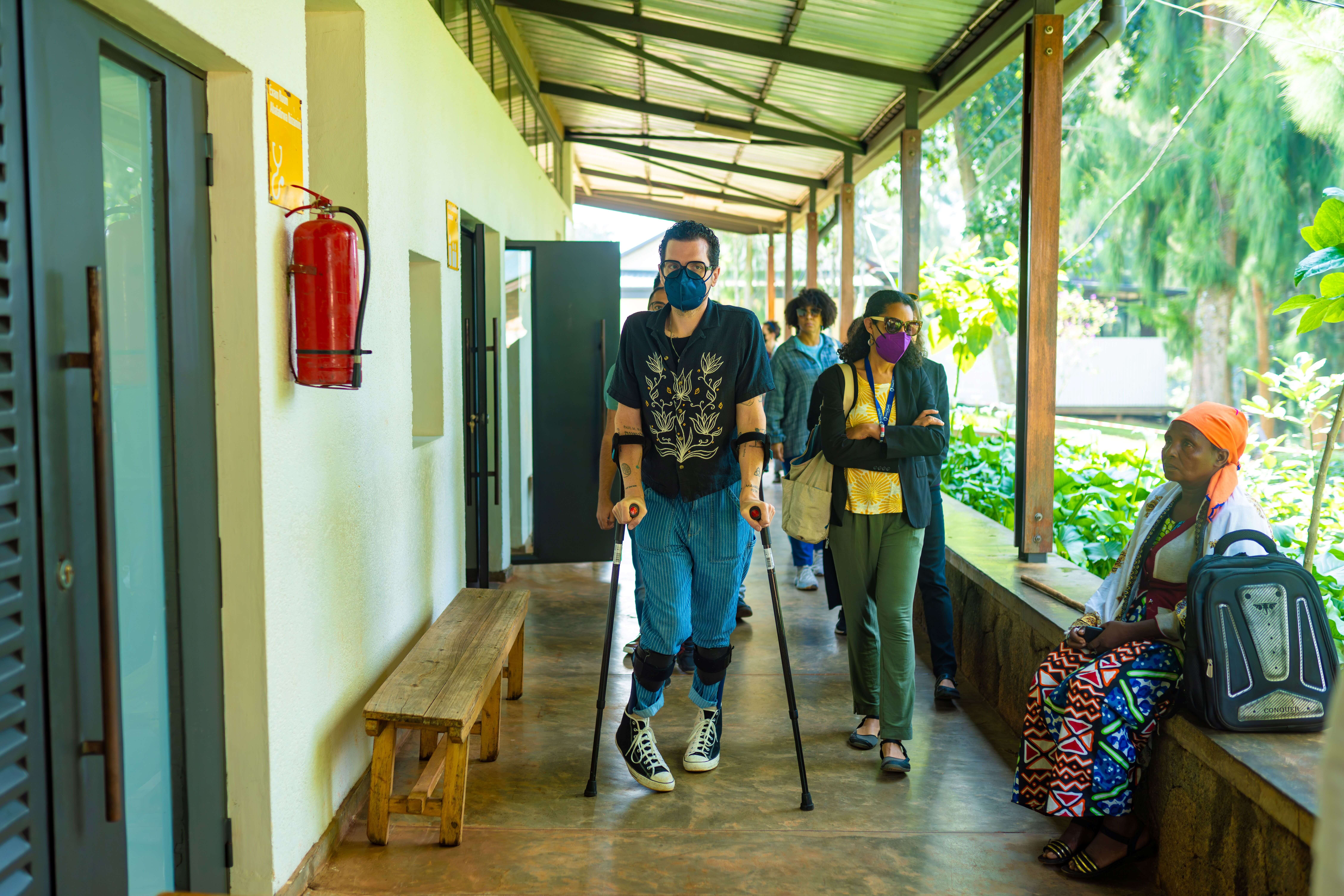
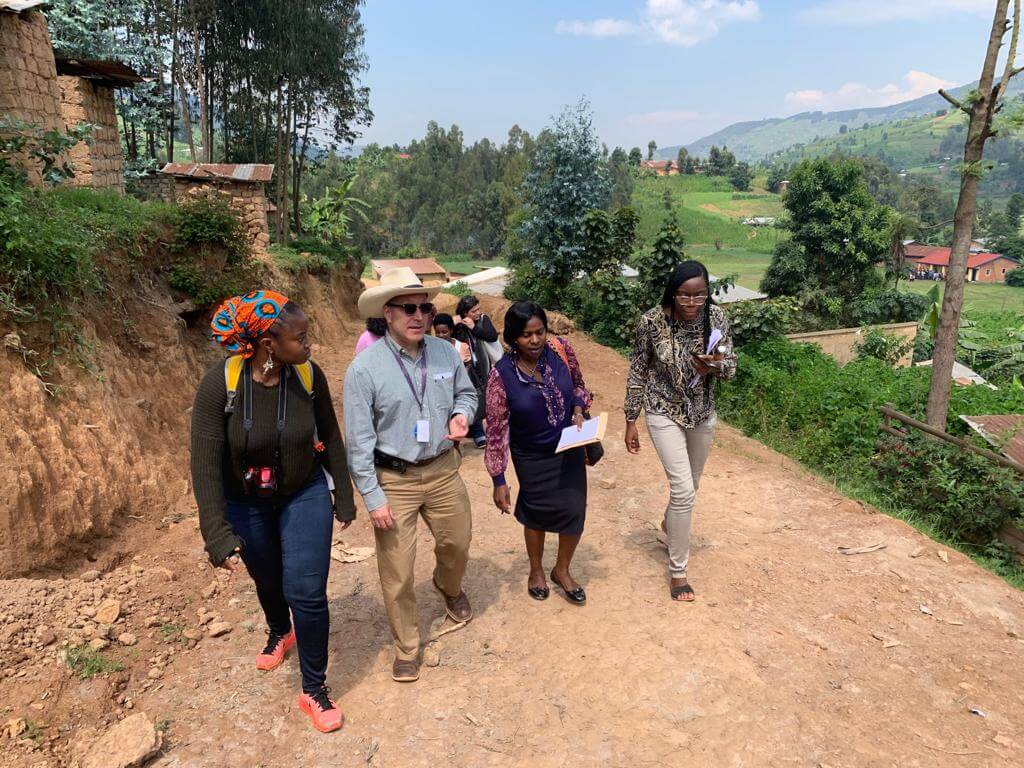
Adrian Billings, Artanesha Jackson and others walking up the road in Rwanda

Alpine, Texas
Adrian Billings (2019 cohort) is building the next generation of rural healthcare providers in West Texas. He has hosted more than 300 medical students and 50 residents in the Big Bend region. He also helped create earlier entry points into the profession, including rural health career experiences for high school students, and helped establish a residency track that immerses physicians in the realities of rural practice.
Learn More
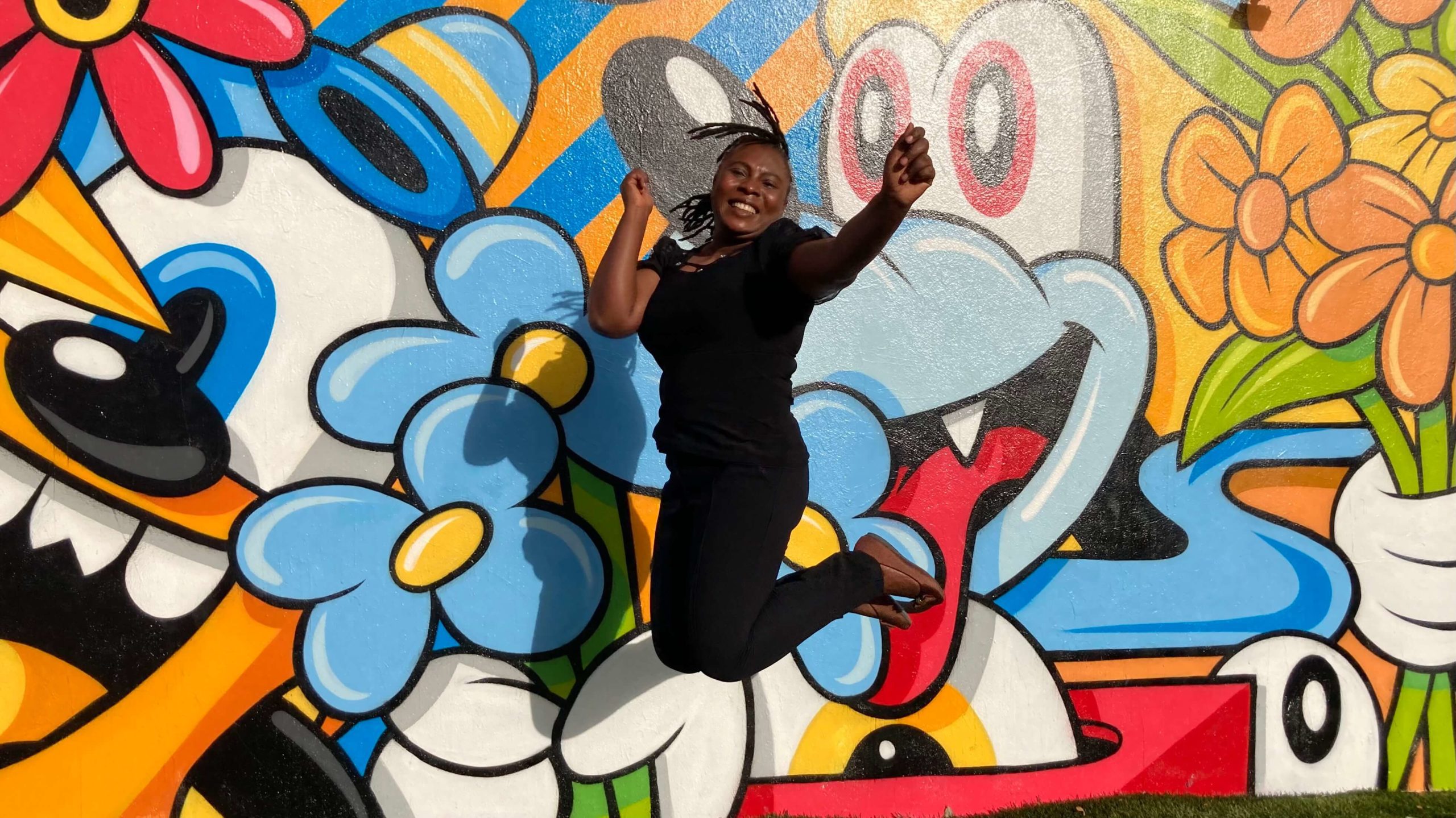
woman jumping

Abuja, Nigeria
Adekemi Adeniyan (2019 cohort) authored Nigeria’s first oral health storybook, The Girl Who Found Her Smile, which has been translated into Yoruba, Igbo, Hausa, French, and two Filipino languages. Through books, animation, community programs, and an interactive virtual reality experience, she uses storytelling and culturally rooted approaches to help children build healthy oral hygiene habits and see oral health in a new way.
Learn More
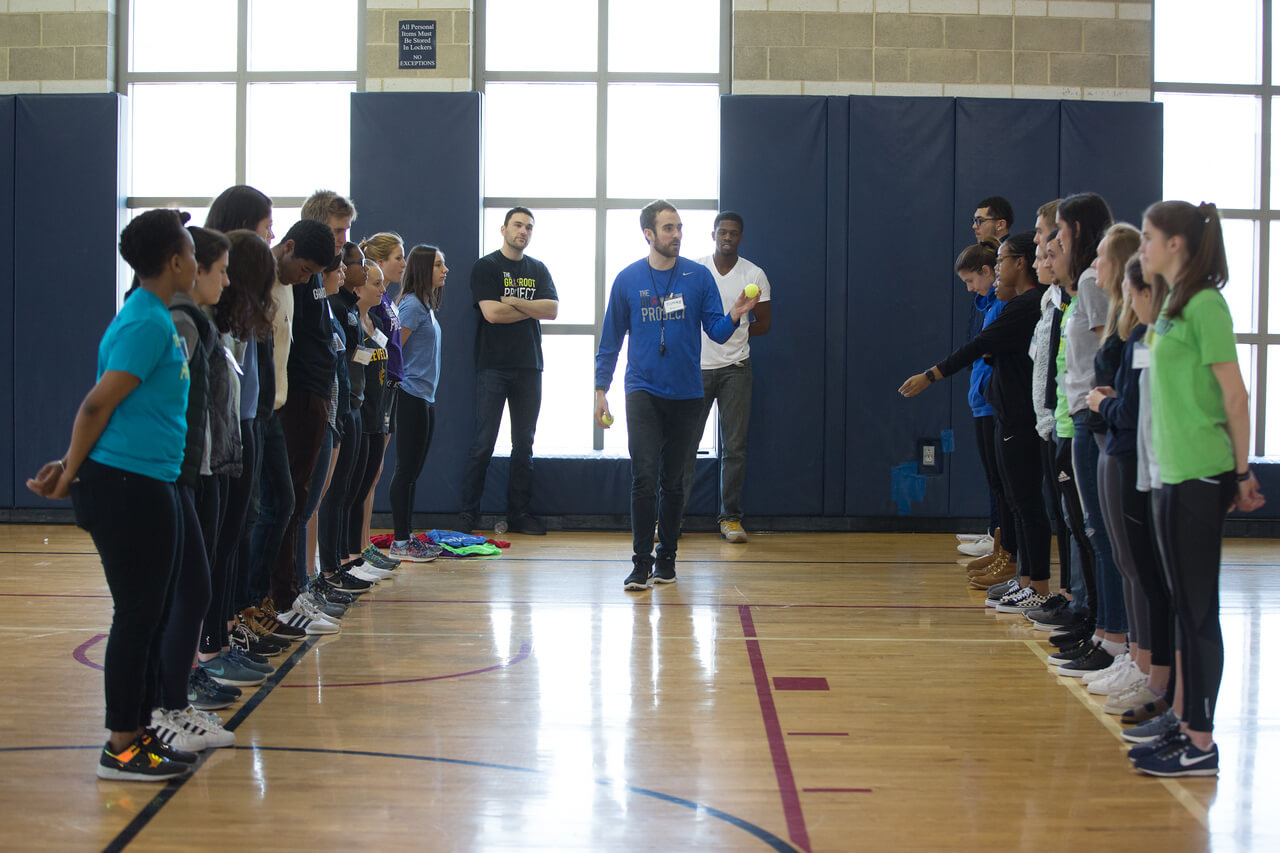
man walking with tennis ball

Washington, DC
Tyler Spencer (2018 cohort) founded Grassroots Health after seeing the need for more effective HIV prevention education for young people in Washington, D.C. He adapted a South African soccer-based curriculum and launched the program with 40 college athletes in four middle schools. Since then, Grassroots Health has expanded to reach more than 7,000 young people in more than 50 schools, using sports to engage students in conversations about sexual, mental, and nutritional health.
Learn More
man standing and writing

Sierra Leone
Stephen Sevalie (2018 cohort) is the Founder and Mental Health Director of Sustainable Health Systems Sierra Leone, a locally driven, nonprofit organization focused on producing evidence that addresses the needs of healthcare service users, managers, and policymakers. It promotes effective collaboration for capacity building to translate research into policy.  Link: 
Learn More
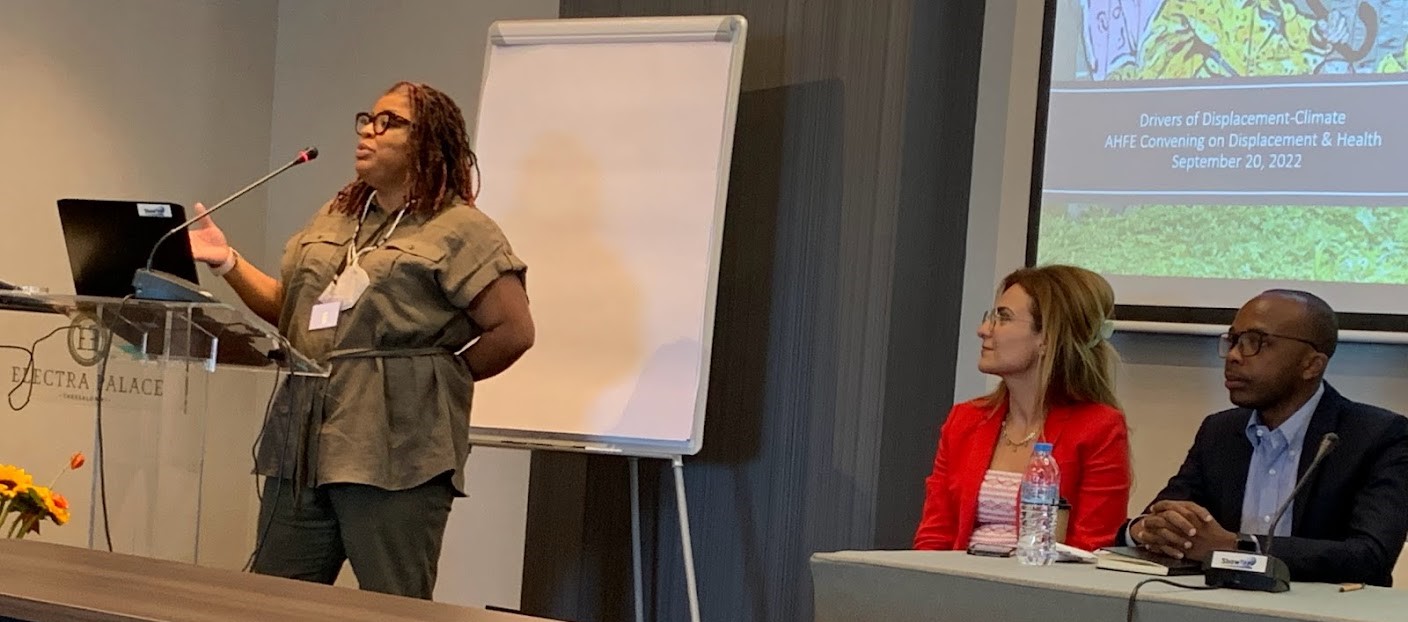
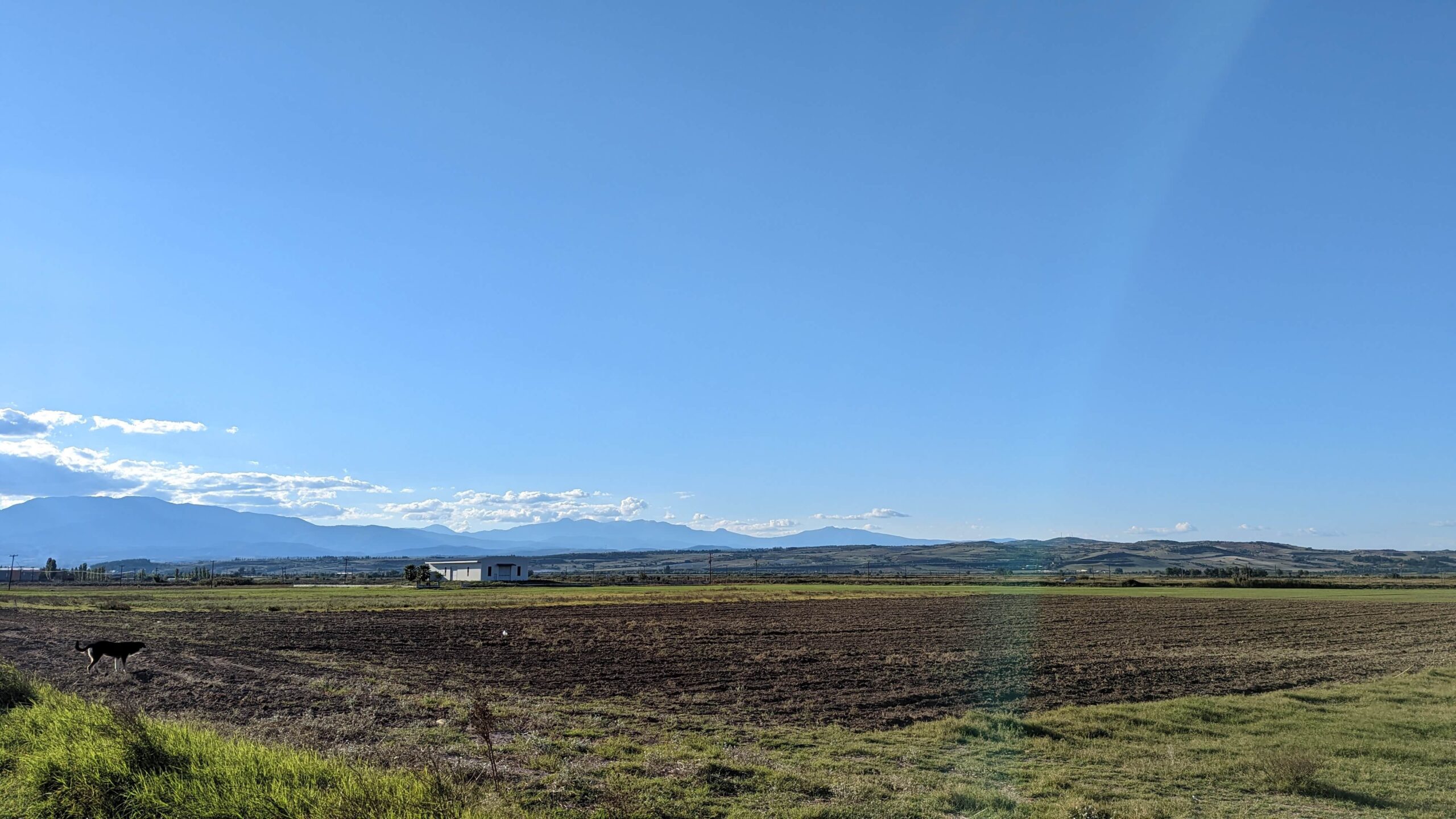
A field in Thessaloniki, Greece

Pennsylvania, Virginia
Medha D. Makhlouf (2020 cohort) and Zeina Saliba (2018 cohort) make the case that efforts to speed up the asylum process can unintentionally create additional barriers for people who have experienced significant trauma. They recommend reforms that incorporate trauma-informed practices and better account for the needs of people seeking safety.
Learn More
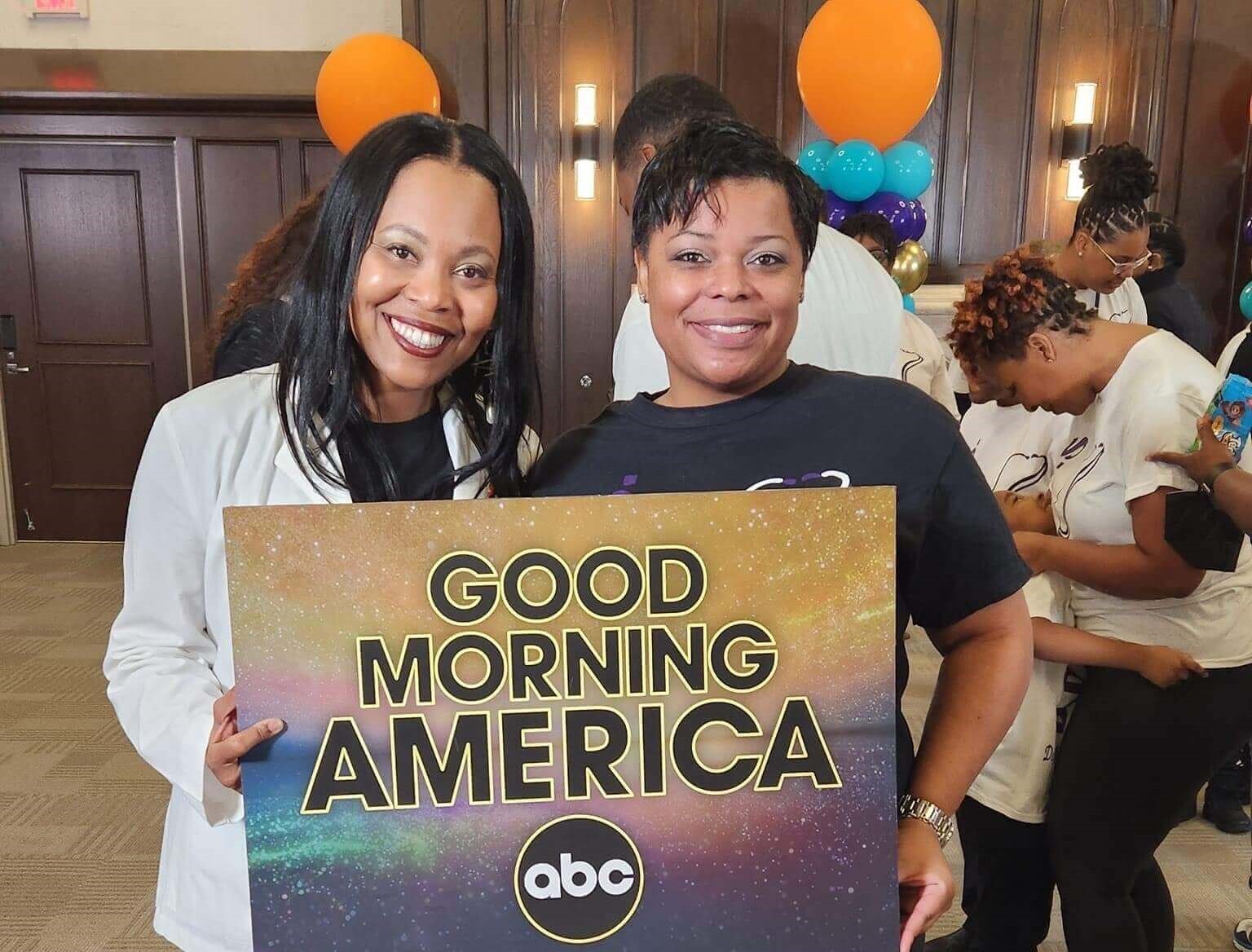
Two women holding a Good Morning America sign

Tennessee
Christina Rosenthal (2018 cohort) expanded Determined to Be a Doctor Someday (D.D.S.), a pathway program to expose students to various healthcare careers. The program consistently has “at-capacity” enrollment each year, and graduates have already pursued careers in healthcare.
Learn More

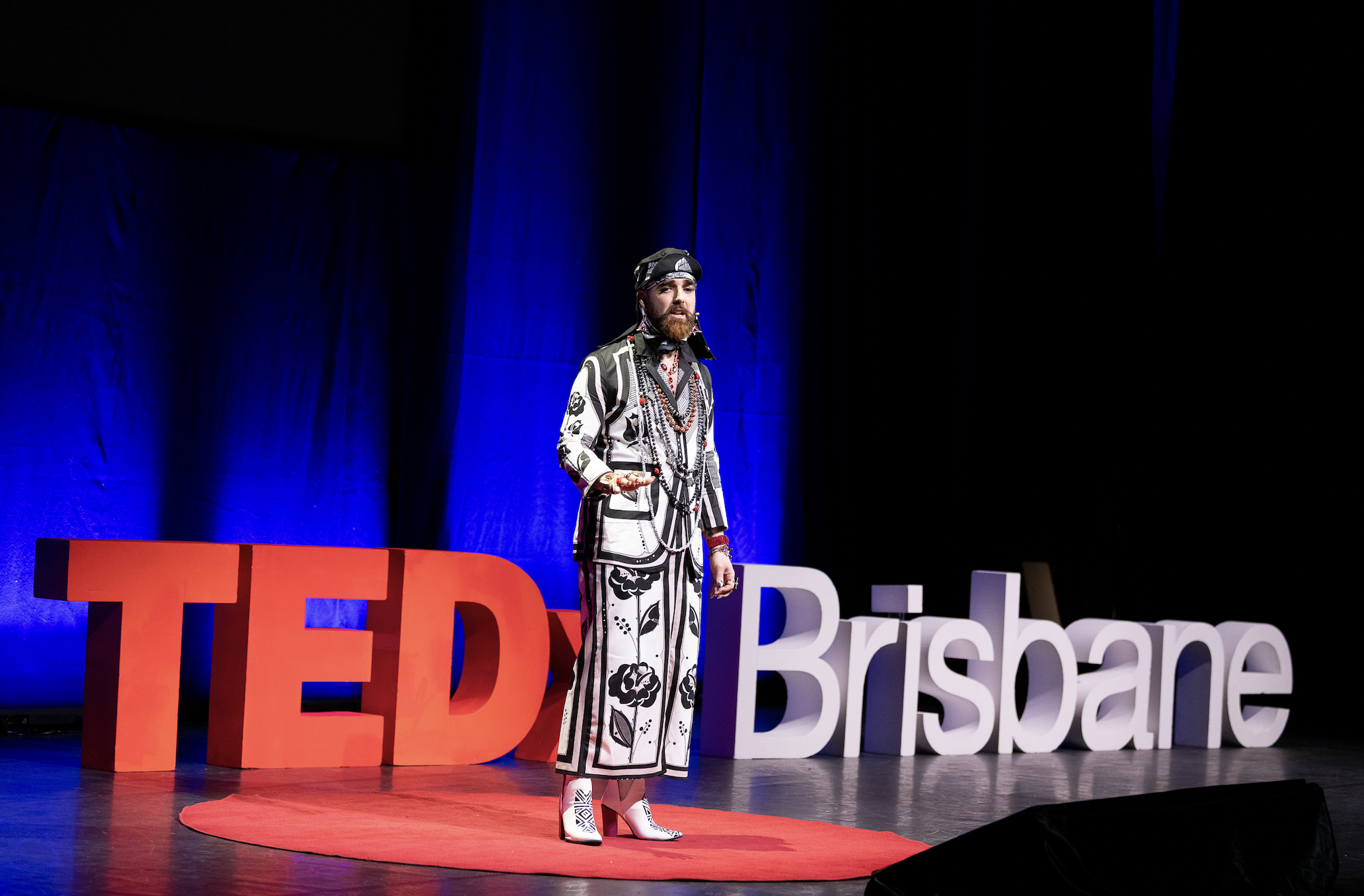
Brisbane, Australia
Jordi Luke (2018 cohort) took the TEDxBrisbane stage to share a powerful story about visibility, identity, belonging and advocacy. His talk was shaped through a collaboration with Atlantic Fellow for Social Equity Juanita Wheeler, who helped Jordi translate their lived experience into a message designed to explore how strategic storytelling can create space for deeper conversations and help shift hearts, minds and systems.
Learn More

Philippines
Ginger Ramirez (2017 cohort) helped establish a family medicine residency program in Northern Samar, Philippines, expanding the pipeline of family physicians serving local communities. Deborrah Liao (2018 cohort), a graduate of the program, now trains the next generation of family physicians.
Learn More
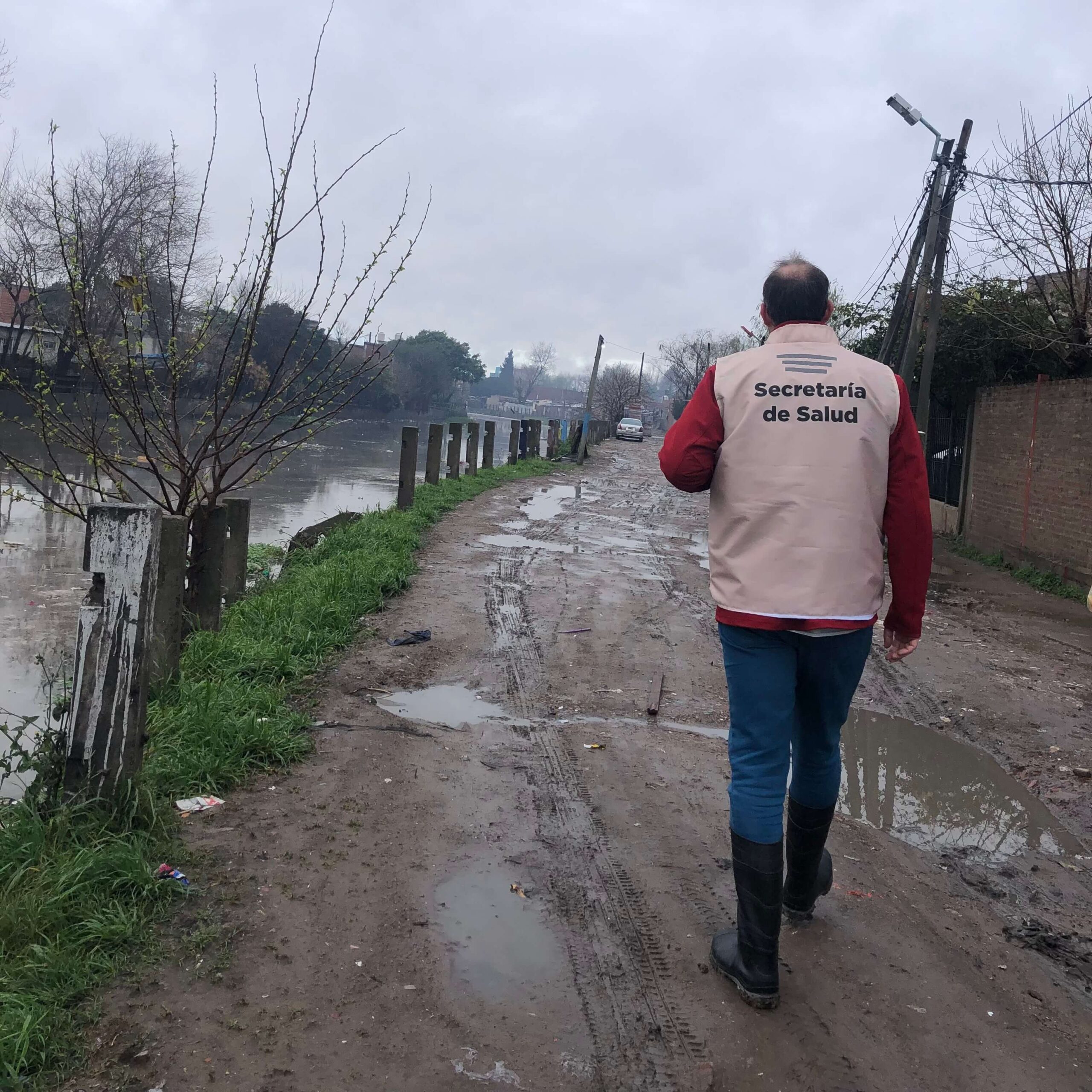
Jonatan Konfino walking in Quilmes.

Argentina
Jonatan Konfino (2018 cohort) led efforts to strengthen maternal and infant healthcare in Quilmes, Argentina, training community health workers to identify pregnant women and babies who had fallen out of care and strengthening the local hospital network and access to specialized services. From 2020 to 2021, Quilmes recorded its lowest infant mortality rates in history, at 8.95 and 8.96 deaths per 1,000 live births.
Learn More
Black woman speaking into a microphone.

California
Kai Kennedy (2018 cohort) was selected by UCSF students to deliver the Last Lecture, using the opportunity to share a lesson shaped by her experiences in Ghana, Haiti, and the Bay Area. Her message was simple: your teachers are all around you. Kai encouraged students to learn directly from people living the experiences they hope to change, and demonstrated that approach by bringing community members’ stories and perspectives into the lecture itself.
Learn More
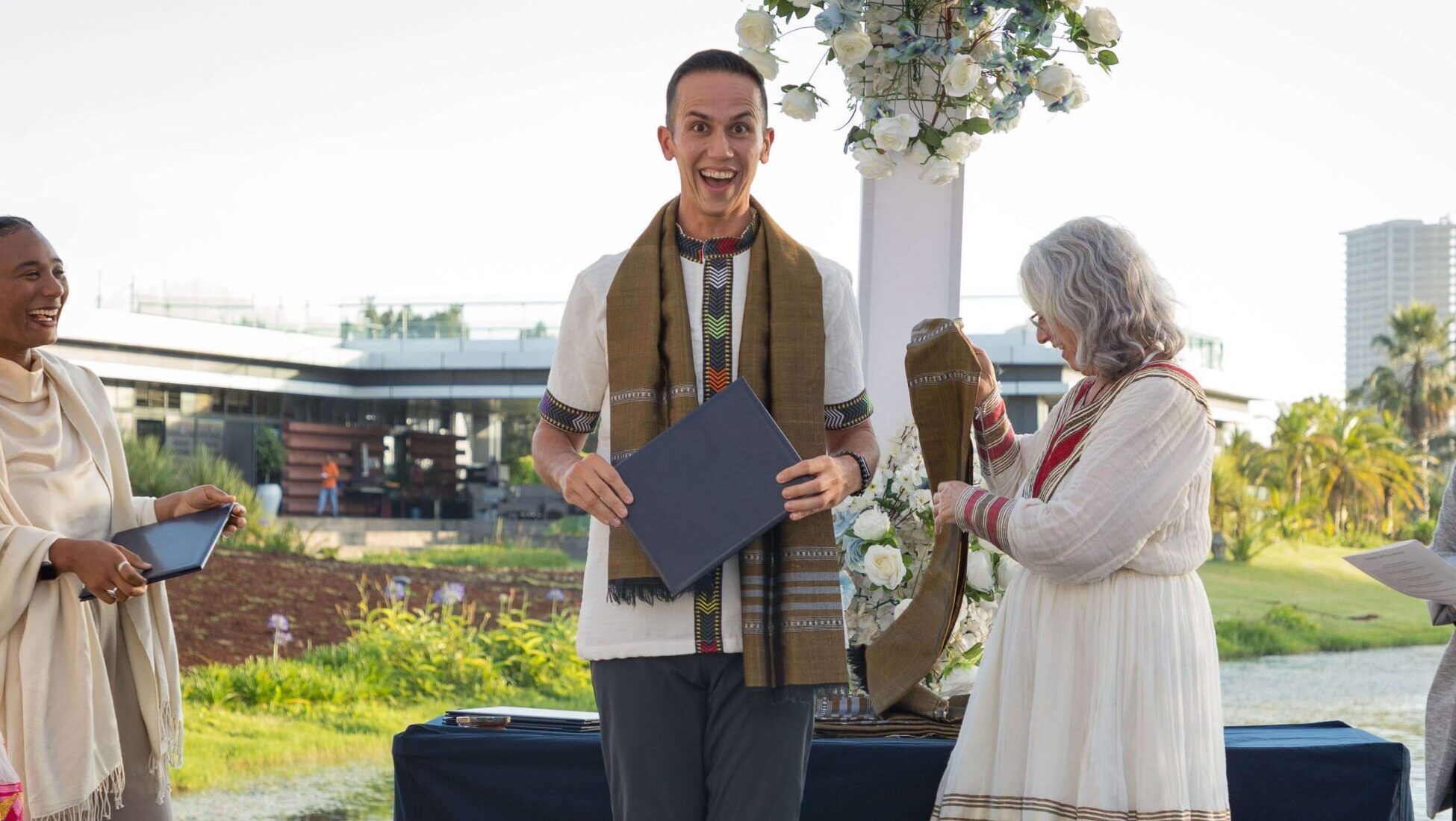

Marx Itabelo Lwabanya speaking in front of a microphone

Democratic Republic of Congo
James Huang (2018 cohort) and Marx Itabelo Lwabanya (2021 cohort) highlight how the global transition to renewable energy can have unintended consequences for communities where critical minerals are sourced. Their work examines how mining can contribute to unsafe working conditions, health challenges, and displacement, underscoring the need for a clean energy transition that also protects the wellbeing of affected communities.
Learn More
woman speaking

California
Sarah Hooper (2018 cohort) advocates for including older adults in medical-legal partnerships, which bring legal advocacy into healthcare to address social and economic factors that can affect health. In her work, Sarah makes the case for medical-legal partnerships focused specifically on older adults, highlighting how connecting healthcare and legal support can better address the needs of an often-overlooked population.
Learn More
Person standing and talking while others listen.

California
Angela Echiverri (2018 cohort) co-developed a leadership pathways course designed to help faculty from groups underrepresented in medicine strengthen their leadership skills and navigate barriers to advancement. The course also equips allies with tools to help create more welcoming and inclusive environments within their institutions, supporting broader change in academic medicine.
Learn More

Georgia
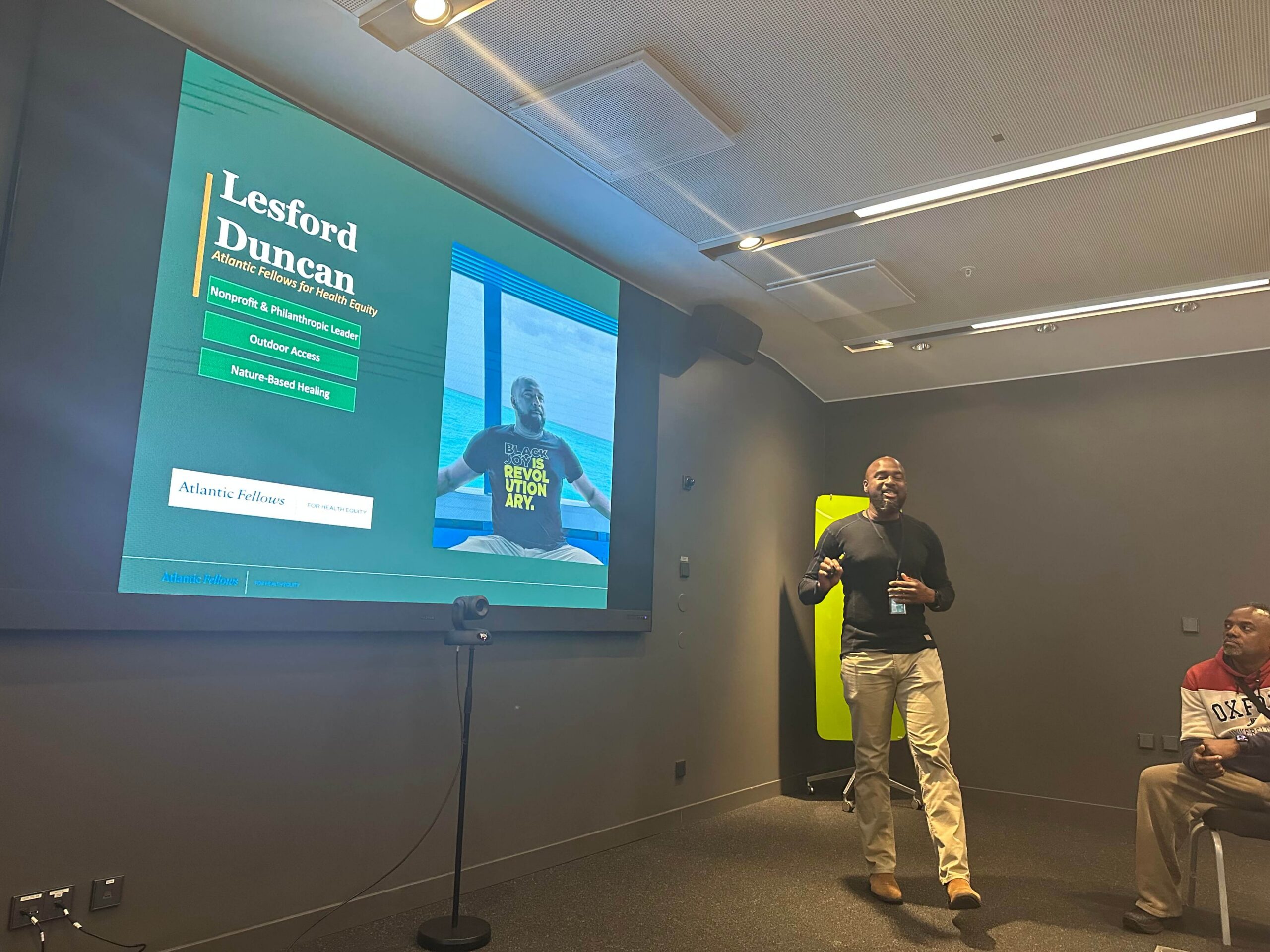
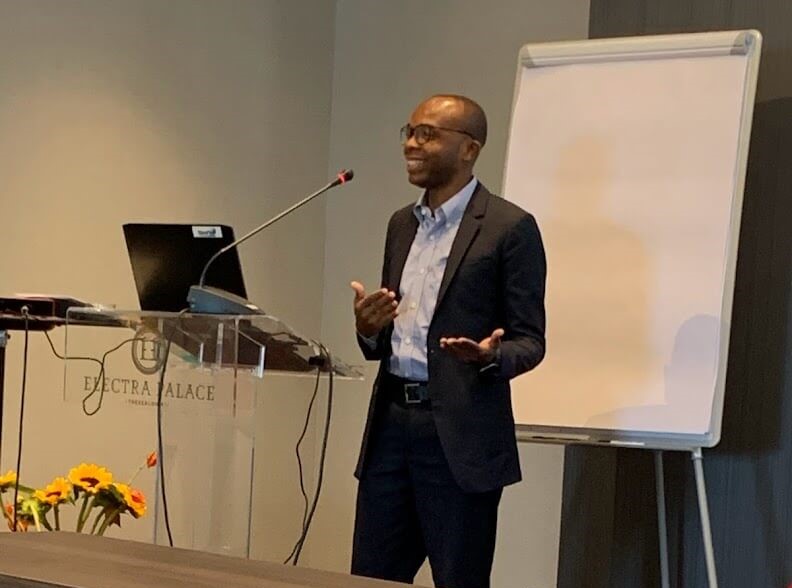
Lesford Duncan (2018 cohort) has built a career at the intersection of health equity, youth development, and access to the outdoors, advancing the idea that connection to nature can be a powerful contributor to individual and community wellbeing. His work has spanned public child welfare and behavioral health, community-based outdoor programs, and national systems-change efforts. As Executive Director of the Outdoor Foundation, he helped grow the Thrive Outside initiative into a national network of community-led coalitions connecting hundreds of organizations, schools, public agencies, and funders to expand sustained outdoor opportunities for over a million young people and families. Across his work, Lesford has focused on building partnerships and changing systems so that more young people can experience the health, developmental, and social benefits of time outdoors.
Learn More
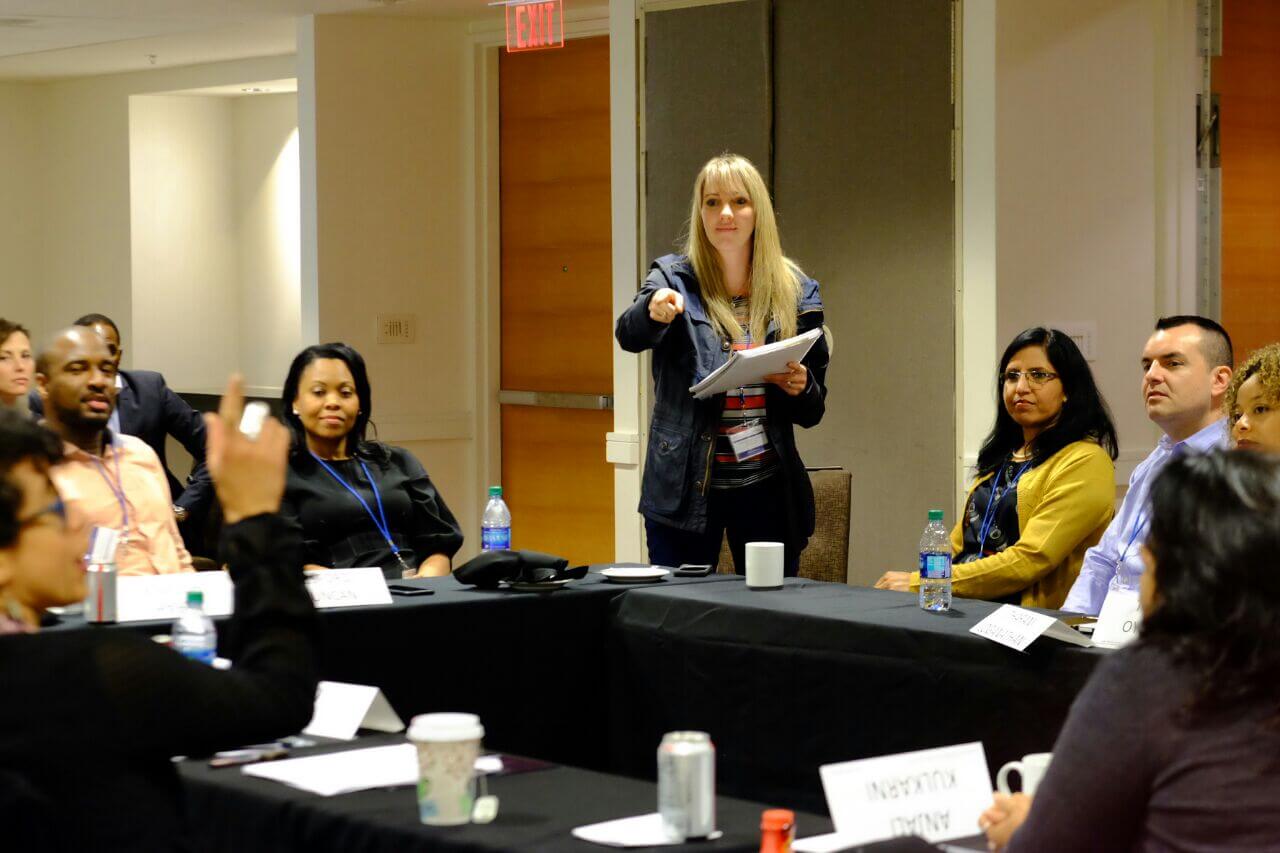
A presenter holding papers points across a conference table toward an attendee raising their hand during a meeting.

Texas
Amanda Brosnan (2018 cohort) mentors the next generation of health professionals, helping students connect clinical practice, research and public health. In one example, she mentored two medical students whose research examined the effects of COVID-19 restrictions on depression and eating disorders in adolescents, which was presented at multiple health conferences.
Learn More
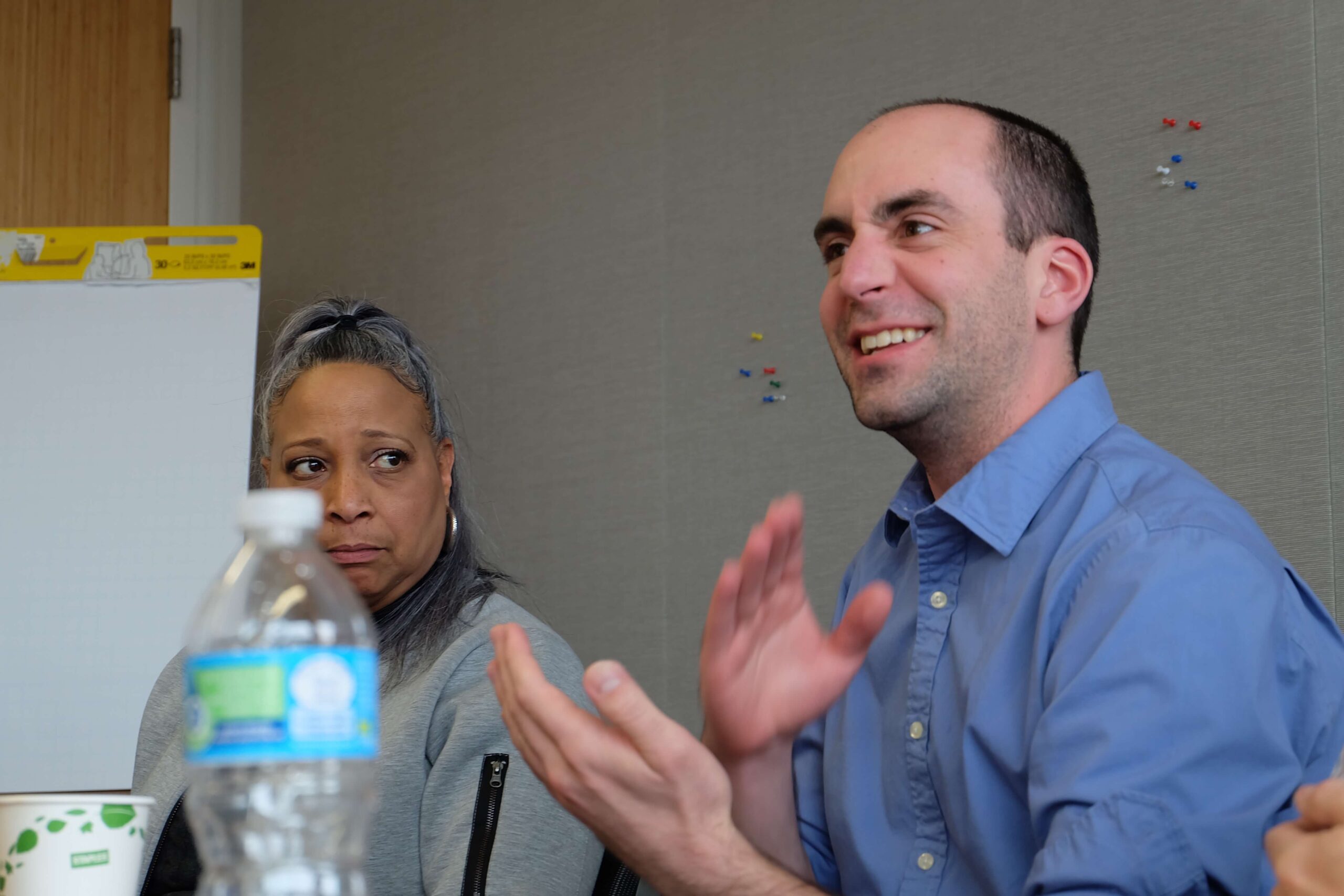
Man in a blue shirt speaking and gesturing with his hands.

North Carolina
Thomas Merrill (2017 cohort) developed the Equity-Driven Quality Framework, adapting a widely used model for improving health care to ask not just whether outcomes improve, but who benefits and who is left behind. The framework offers a practical way to build equity into quality improvement by connecting organizational action with reducing health disparities.
Learn More
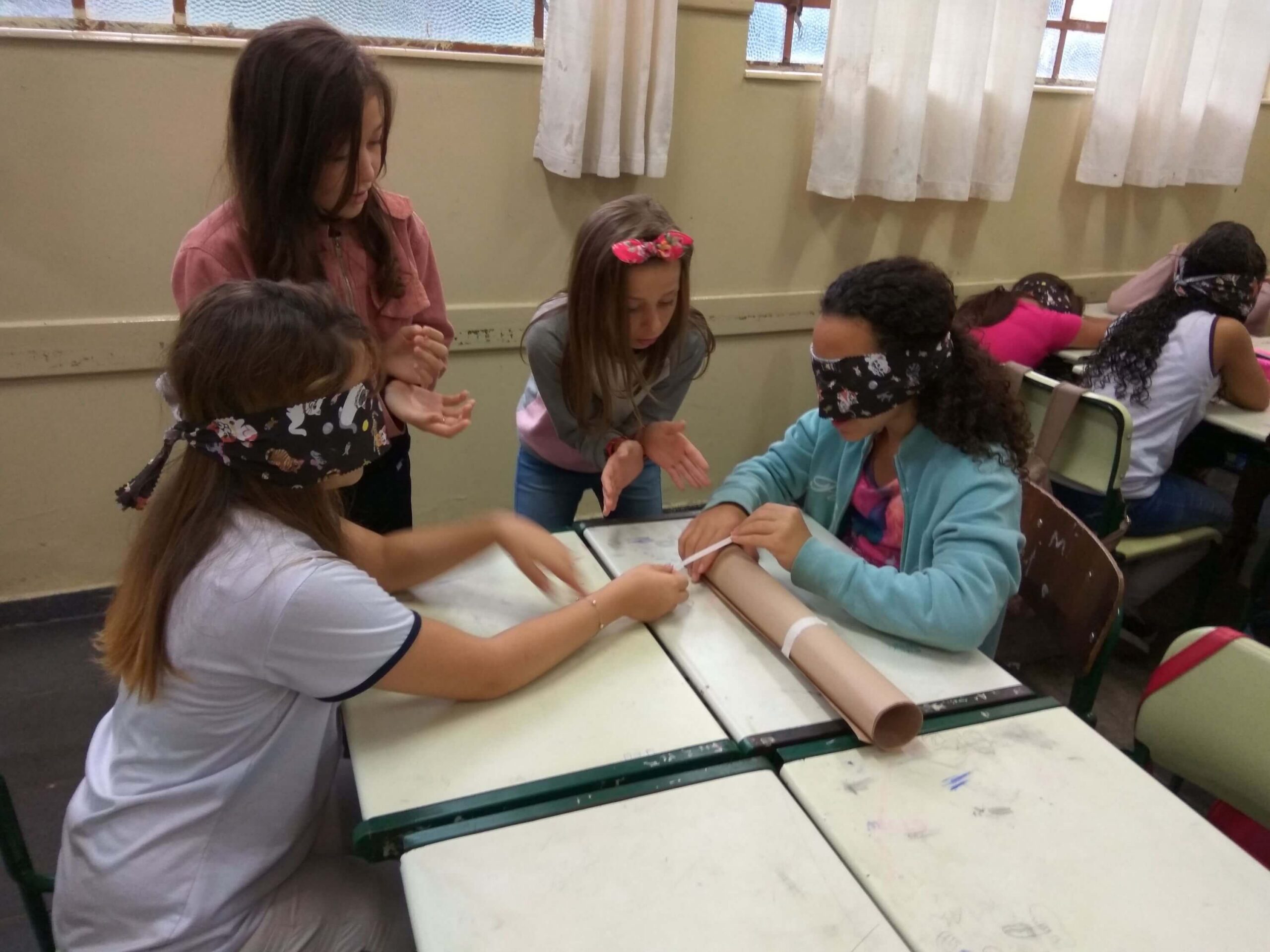
Four young girls in a classroom participating in a sensory activity, with two blindfolded girls at desks working together to tie a string around a rolled-up paper while two classmates watch and guide them.

São Paulo, Brazil
Carla Ventura (2017 cohort) has sustained and expanded her original fellowship project, working with three schools in her municipality in Brazil to engage nursing students in leadership and social participation initiatives. Through this program, students learn about the importance of leadership and civic engagement. 
Learn More
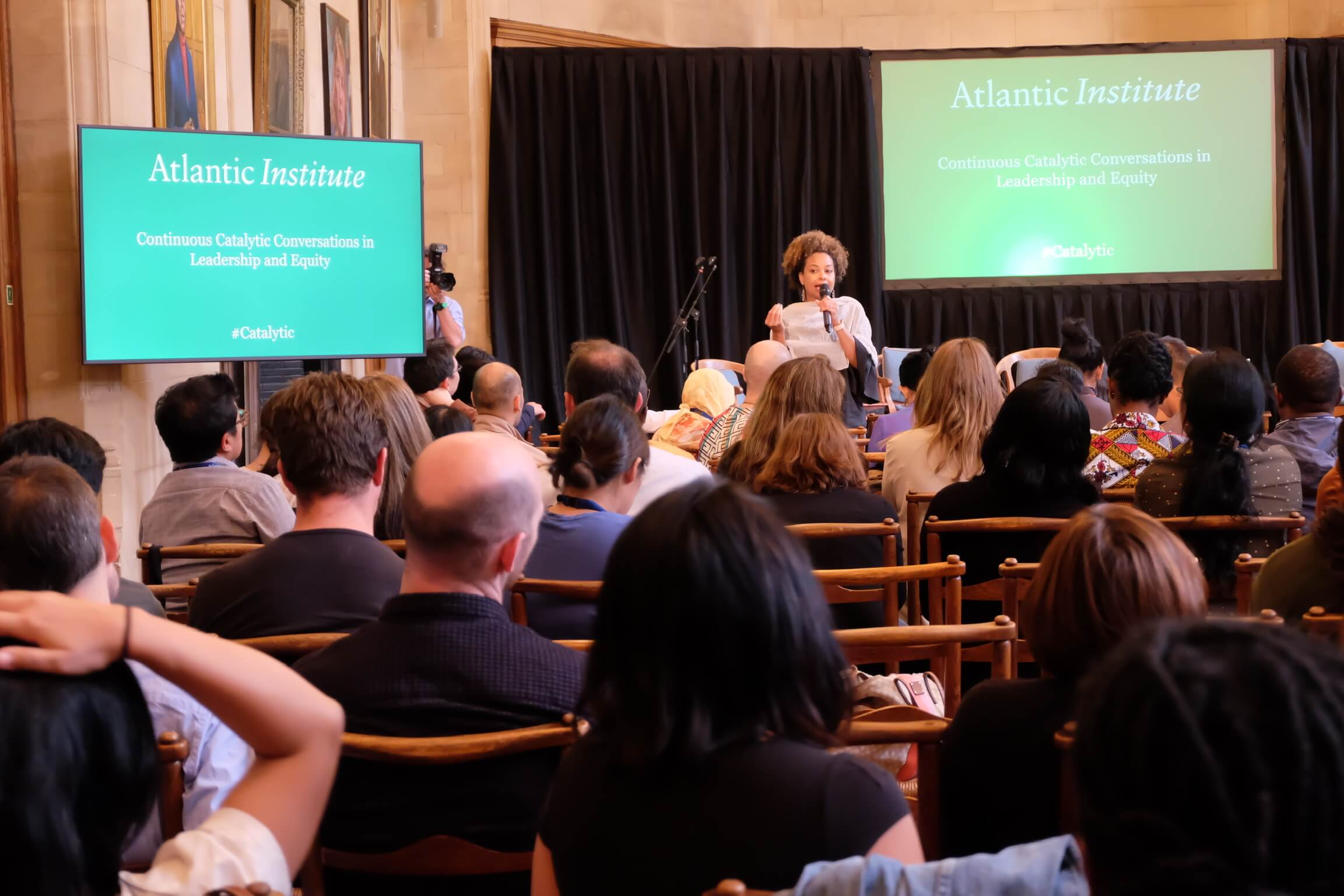
woman speaking on a stage in front of crowd

Florida
Joedrecka Brown Speights (2017 cohort) helped develop a relationship-based toolkit to aid medical educators in addressing racism and its role in health disparities. The workshop reached 120 medical educators, and follow-up surveys showed improvements in participants’ knowledge, attitudes and confidence in teaching about racism in health care.
Learn More
Woman standing and talking in front of a screen

North Carolina
Zulayka Santiago (2017 cohort) created a collection of reflections, poems, photographs, and essays that invites readers to reconsider their relationship with the natural world. Through storytelling and creative expression, Zulayka’s work reminds readers that reconnecting with nature can shape how we understand ourselves, our communities, and our place on the planet.
Learn More
Woman speaking while her hands point to a chart while two other women look on.

India
Neha Raykar (2017 cohort) advocates for better data on how adolescent girls in India access and experience services. When girls’ needs go uncounted, policymakers lack the information to address gaps in as nutrition and education. Her work shows how better data collection can help ensure adolescent girls are have programs that reflect their lived experiences.
Learn More
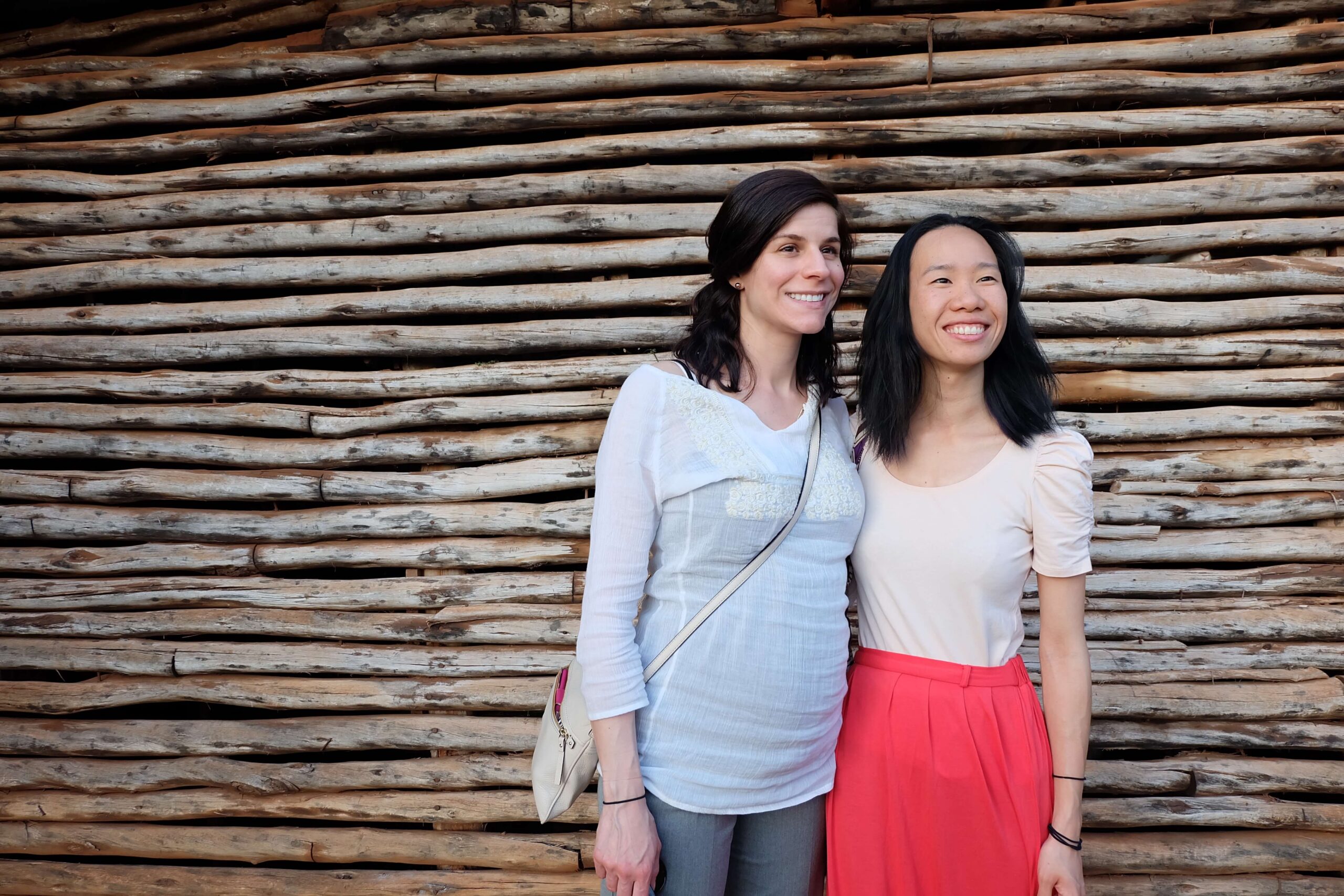
Two women smiling and posing together outdoors in front of a wall made of stacked wooden logs.

Maryland
Maria Portela (2017 cohort) is drawing attention to the systemic barriers facing women physicians, including burnout, discrimination and unequal workplace expectations. She calls for changing the culture by investing in mentorship, establishing non-retaliatory support systems for those needing help, and ensuring equal parental leave and work-life balance policies.
Learn More
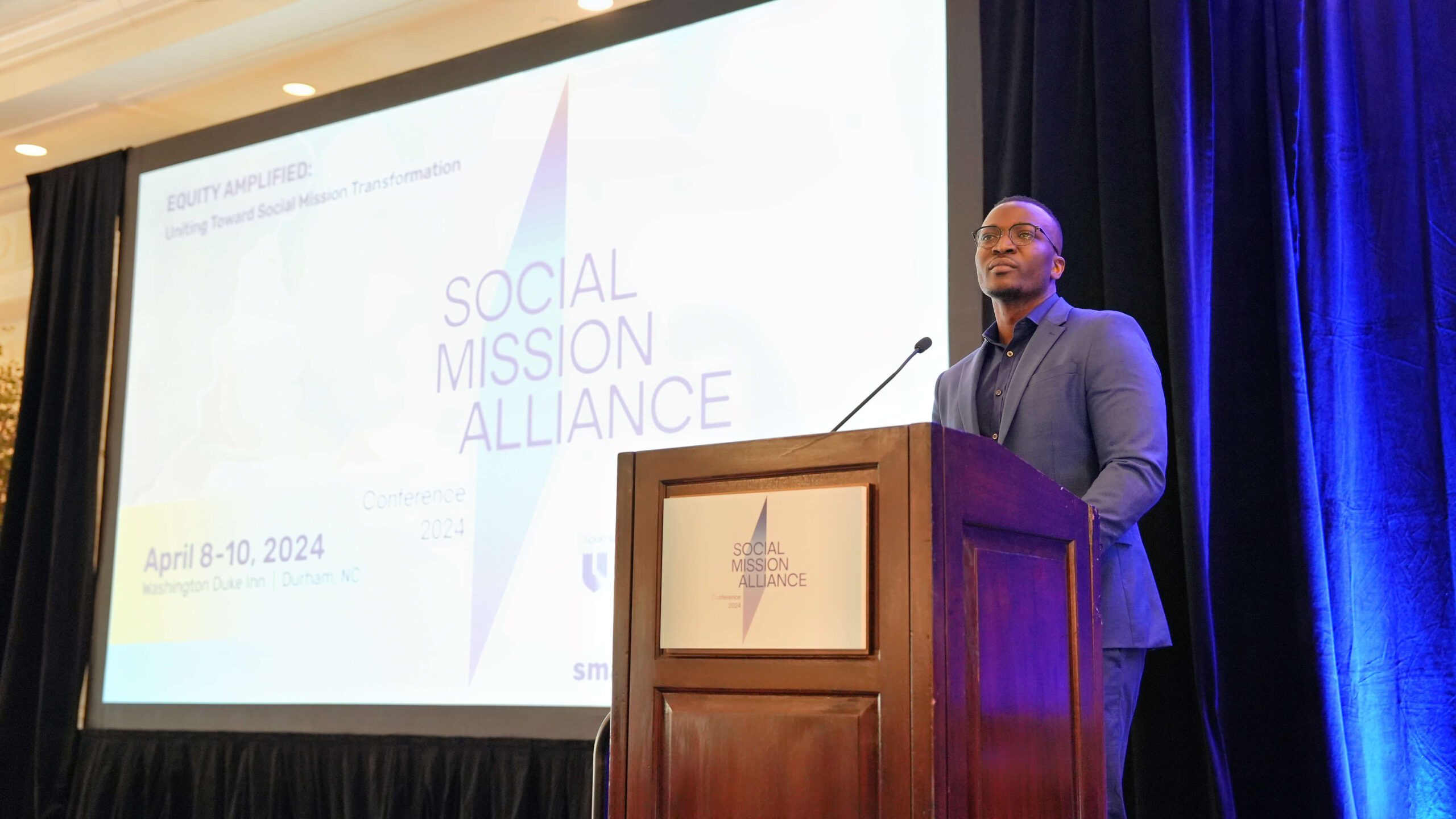
man standing at a podium in front of a screen speaking.

Washington, DC
Toyese Oyeyemi (2017 cohort) is challenging how medical schools are evaluated by advocating for metrics that prioritize social mission over prestige. He argues that recognizing schools for their commitment to serving communities and advancing health equity would better align medical education with the needs of patients, their communities and society.
Learn More
Scott Nass sitting at a table smiling

Palm Springs, California
Scott Nass (2017 cohort) works with interACT: Advocates for Intersex Youth to amplify the voices of intersex kids who are fighting for change. He wrote that prioritizing patients means focusing on what they say they need and supporting each patient and their family in ways appropriate for their age.
Learn More
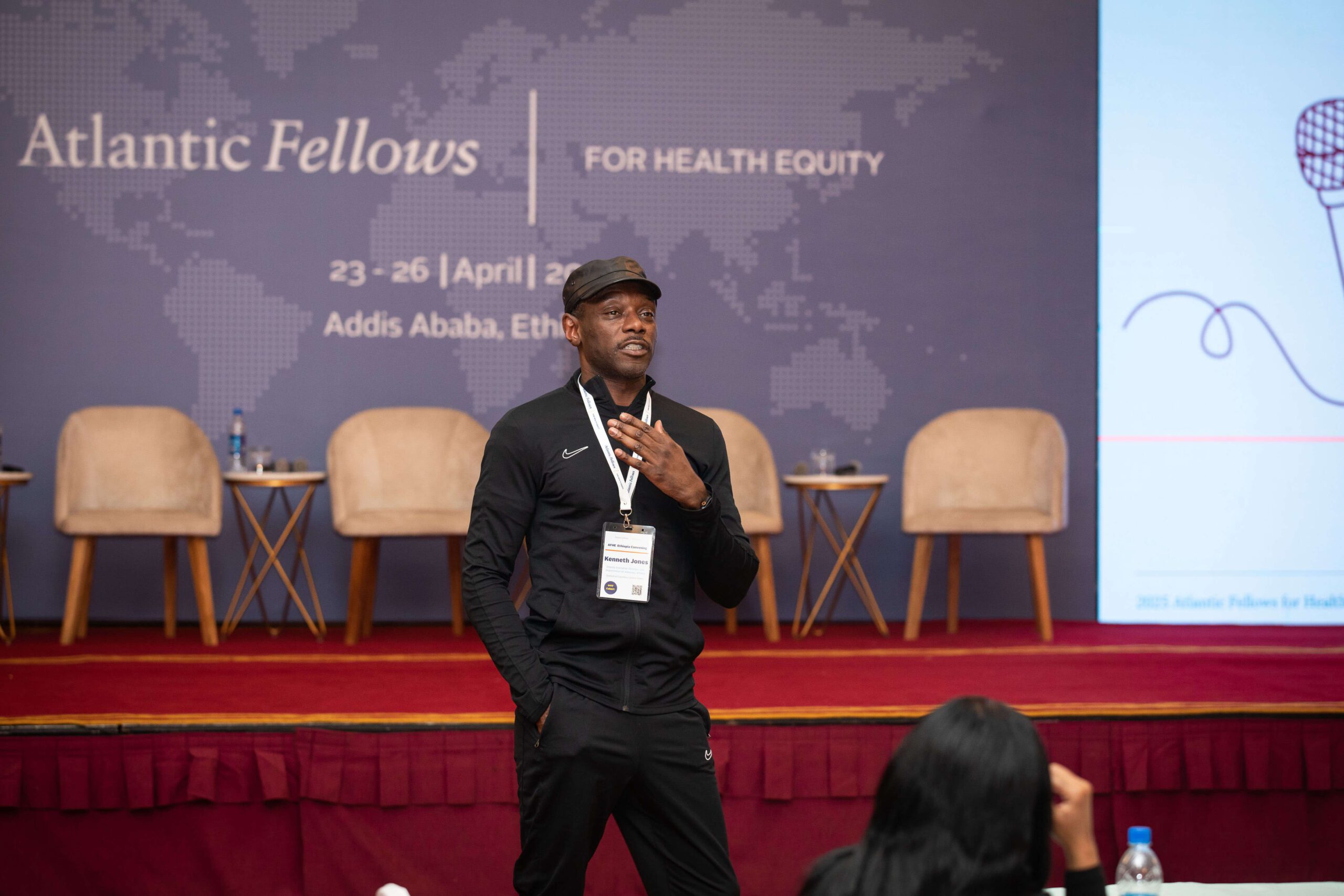
Man stands in front of a stage, talking.

Washington, DC
Kenneth Jones (2017 cohort) examined whether sexual minority veterans receive the same quality of care as their heterosexual peers at the Veterans Health Administration. His research found that younger sexual minority veterans reported less respect from providers, emphasizing the need for better provider training to foster a more inclusive environment.
Learn More
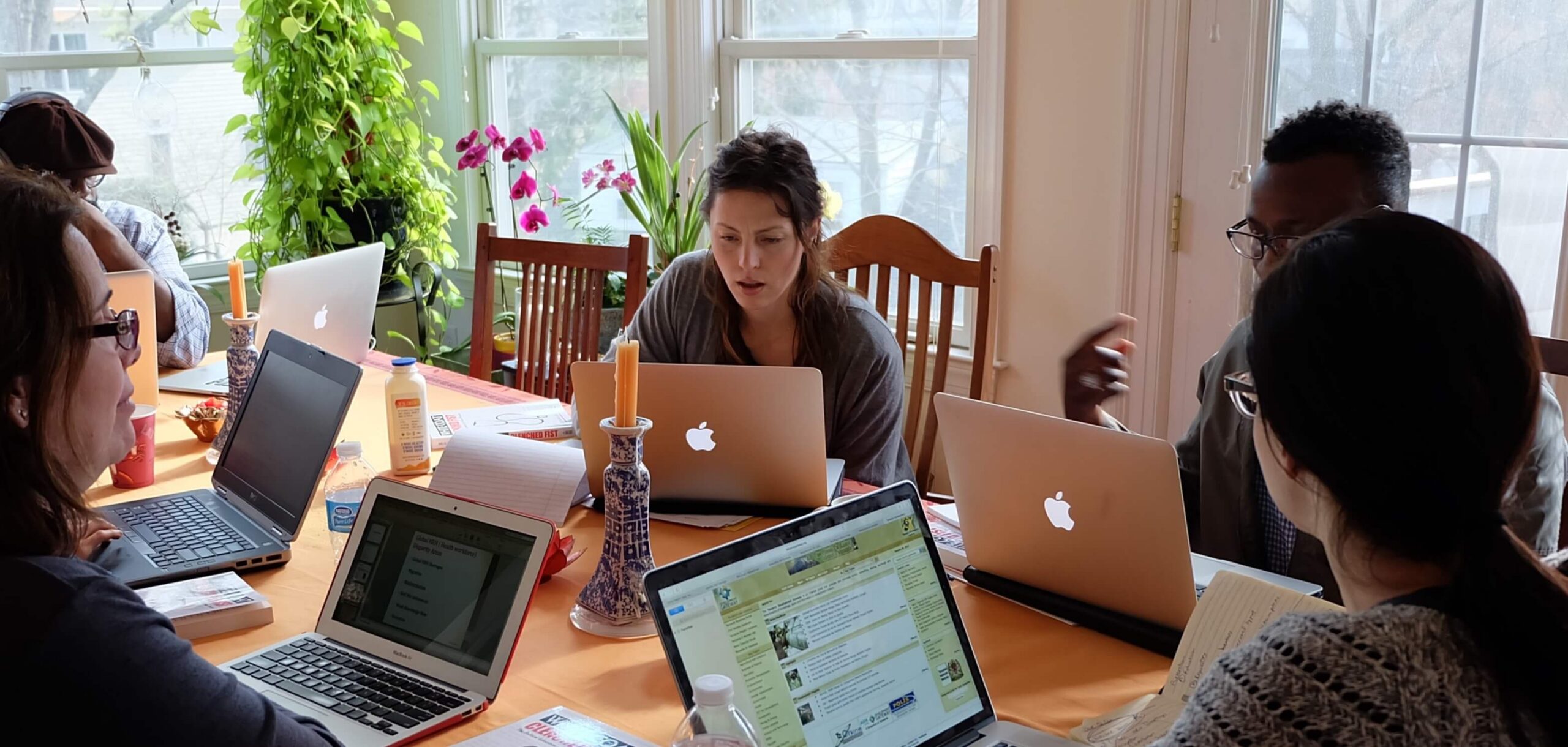
A group of diverse people sitting around a large dining table filled with laptops, notebooks, and plants, engaged in a collaborative workspace session indoors

New York, Pennsylvania
Concerned that the U.S. government's use of Title 42 denied asylum seekers access to protection under the guise of public health, Sarah Battistich (2017 cohort) and Medha Maklouf (2020 cohort) co-authored an opinion piece urging the Biden administration to end the policy and uphold the rights and dignity of people seeking asylum.
Learn More
Woman standing in front of a classroom speaking into a microphone.

Uganda & North Carolina
Mary Ajwang and Brigit Carter (2017 cohort) organized a pioneering legal empowerment training for 124 health workers at Kawempe National Referral Hospital in April 2025, marking a critical step in equipping Uganda’s health workers with the knowledge and support they need to protect themselves and advocate for safer, fairer maternal health care.
Learn More

Voices of Equity
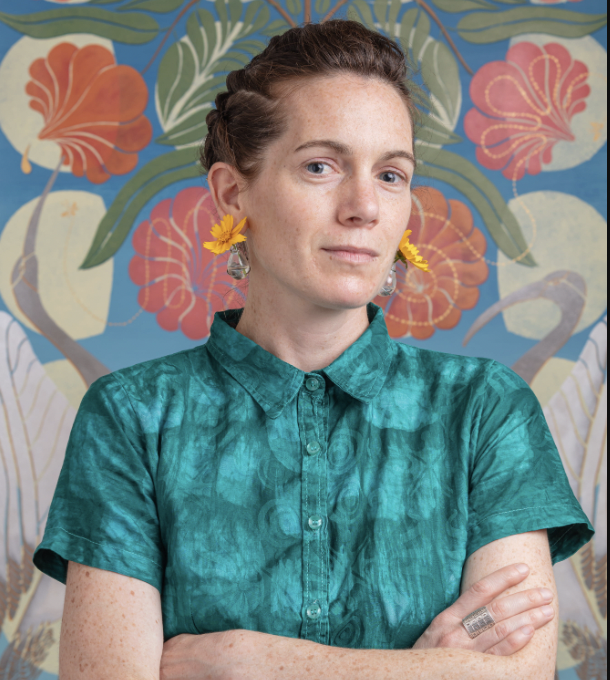
Woman posing for a headshot in a green dress. Play video

I've always been forging my own path.

man smiling Play video

Collective action really drives change and collective action happens when there is a defined purpose that people agree upon.
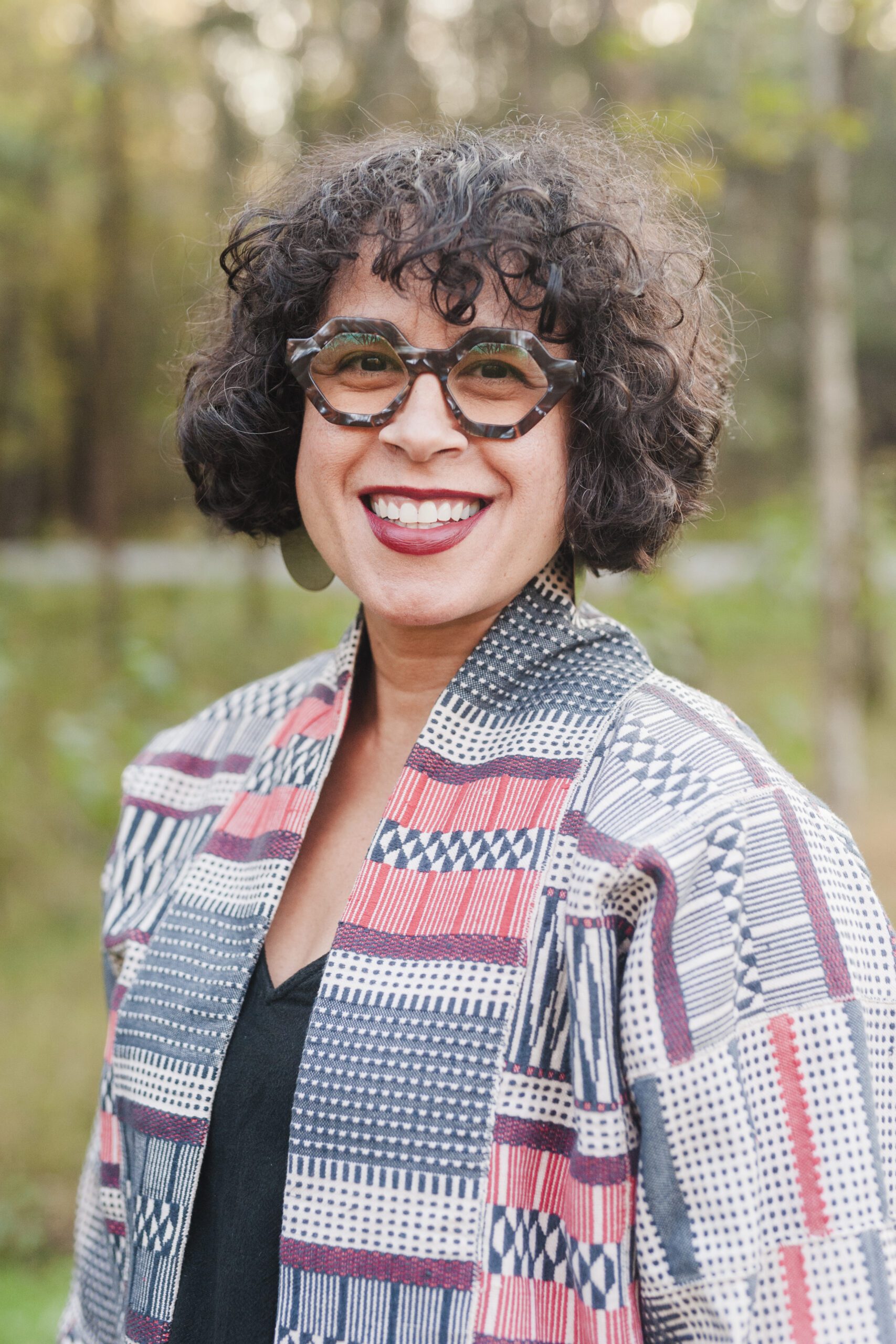
woman posing for a headshot in front of trees Play video

Coming back to the local is part of the solution for our future.

Future of Health Equity

BMJ Leader has created space for us to share Senior Fellows’ insights with a global audience, investing in their ideas and expertise through a blog series.

Gafidyn Wesonga: How Intimate Can Geopolitics Get with Our Health?
”Money doesn’t simply disappear from the global health system. Political priorities change.”

Read More
photo of man

BMJ Leader has created space for us to share Senior Fellows’ insights with a global audience, investing in their ideas and expertise through a blog series.

Thomas Merrill: Equity: The Final Frontier of Quality Improvement.
”Health equity can be more than an aspiration attached to quality. It can become how we decide whether quality has indeed been achieved.”

Read More

Explore reflections from Equity Talks through BMJ Leader, featuring fellows’ insights on leadership, learning and their fellowship journeys.

Nandita Thatte: From Potential to Impact: The Case for Investing in Process.
”Process is how we build and sustain the communities and networks that ensure the products we develop are actually used for impact.”

Read More
Man with glasses posing for a headshot.

Explore reflections from Equity Talks through BMJ Leader, featuring fellows’ insights on leadership, learning and their fellowship journeys.

Ali Alshalah: Bearing Witness to Rural Inequities of the Past, Alive Today.
“What we need is to address the historical, political and economic forces that have entrapped rural people and other marginalized communities in poverty and disease.”

Read More

Explore reflections from Equity Talks through BMJ Leader, featuring fellows’ insights on leadership, learning and their fellowship journeys.

Madalitso Juwayeyi: The Power of Youth-Led Health Equity Work in Malawi.
“Even as the global funding landscape became more uncertain, especially for women’s health, the fellowship reminded me that we are not fighting alone.”

Read More

Explore reflections from Equity Talks through BMJ Leader, featuring fellows’ insights on leadership, learning and their fellowship journeys.

Zelalem Dessalegn Demeke: Unlocking Doors – Ensuring Access to Appropriate Assistive Technology and Empowering Parents for Children with Cerebral Palsy in Ethiopia.
“By trusting parent leadership and local innovations, we can create inclusive systems in which rural-urban divides narrow.”

Read More

Explore reflections from Equity Talks through BMJ Leader, featuring fellows’ insights on leadership, learning and their fellowship journeys.

Odur Anthony: Turning Grief into Action: Demanding Justice in Uganda’s Healthcare System.
“Our legal victory was just the beginning; our mission is to ensure that no family has to suffer the same losses that mine did.”

Read More

Explore reflections from Equity Talks through BMJ Leader, featuring fellows’ insights on leadership, learning and their fellowship journeys.

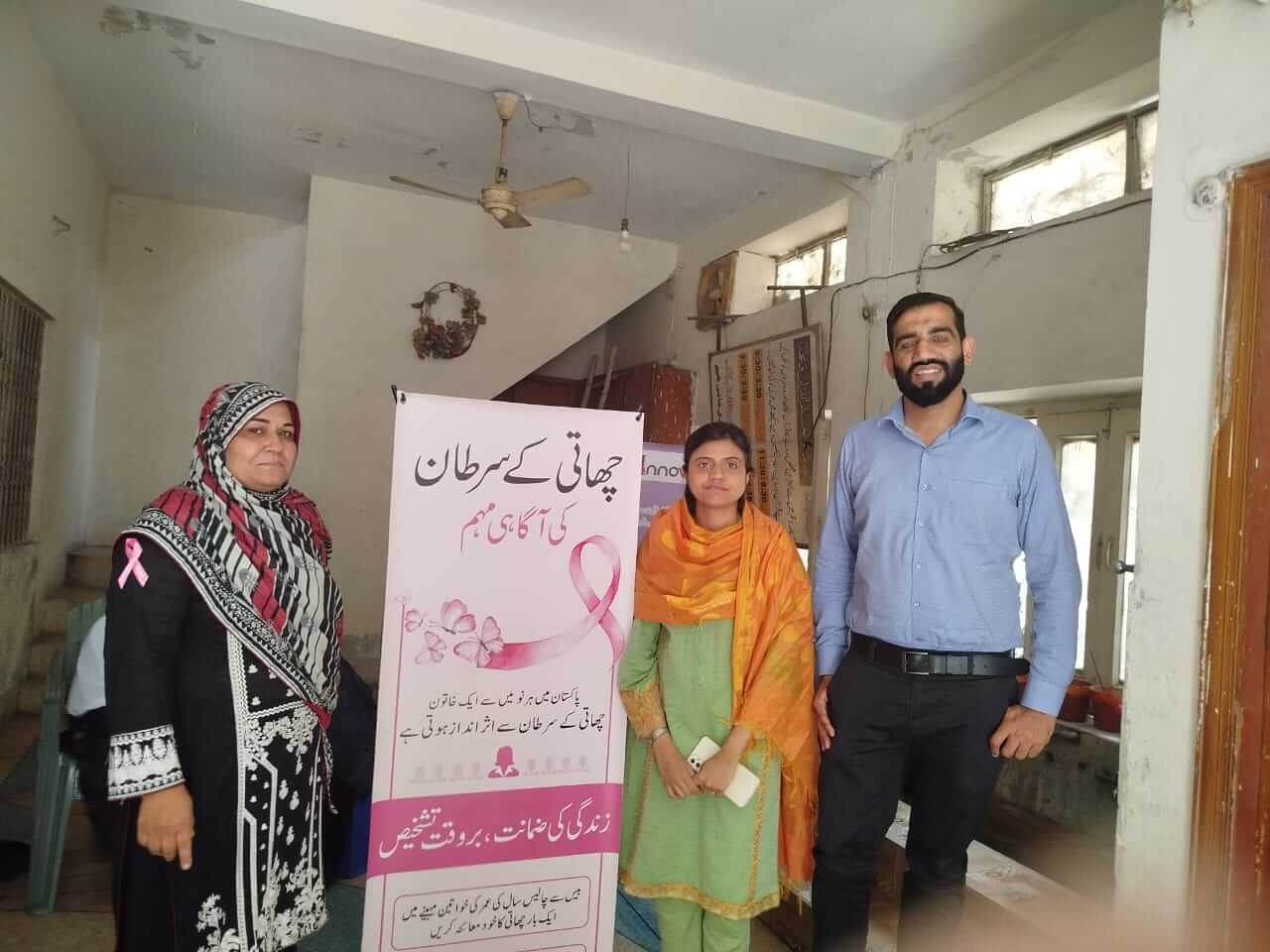
Salima Khowaja: A Call for Fair Cancer Care in Pakistan.
“My work centers around advocacy and increasing health literacy cancer prevention, among those who really need it most; through innovative tools and by engaging them so they take the ownership of their own health.”

Read More
man smiling

Explore reflections from Equity Talks through BMJ Leader, featuring fellows’ insights on leadership, learning and their fellowship journeys.

Azua Wilfred: The Shifting Global Health Landscape and the Urgency of Local Leadership.
“For those of us working at the intersection of medicine and community health, this moment calls for a reassessment of what truly drives sustainable health outcomes.”

Read More
woman smiling

Explore reflections from Equity Talks through BMJ Leader, featuring fellows’ insights on leadership, learning and their fellowship journeys.

Jasmine Maringmei: Leading Through Identity and Representation: A Journey in Policy Research and Health Equity.
“My experience is not merely a personal anecdote but a powerful testament to the necessity of inclusion, perseverance, and the relentless pursuit of equity within both health and policy spheres.”

Read More
man smiling

Explore reflections from Equity Talks through BMJ Leader, featuring fellows’ insights on leadership, learning and their fellowship journeys.

Mario Jimenez: Leading for Vaccine Access in an Age of Mistrust.
“As a public health practitioner working in infectious disease prevention, I’ve come to see that the real enablers of vaccine access are not only systems and funding, but the relationships that allow those systems to function.”

Read More
OUR HISTORY

To close the gaps in life expectancy and health equity that exist within and between countries, we need leaders who view health equity as a mindset and the reduction of health disparities as a skill set. Yet these approaches have not traditionally been part of the education and training of physicians, nurses and other health sector leaders.

Recognizing this gap, Drs. Fitzhugh Mullan and Guenevere Burke, alongside colleagues at the GW Institute for Health Workforce Equity, created the Leaders for Health Equity (LHE) fellowship program, now Atlantic Fellows for Health Equity.

Ten years and more than 150 fellows later, we have deepened our commitment to innovation and sustainability, while holding on to the values that got us here. The strength of the fellowship has never been in a single convening or program, but in the relationships and the way this community rallies around one another in moments of celebration and in periods of struggle.

We invite you to reflect with us as we highlight the moments we’ve shared together.

March
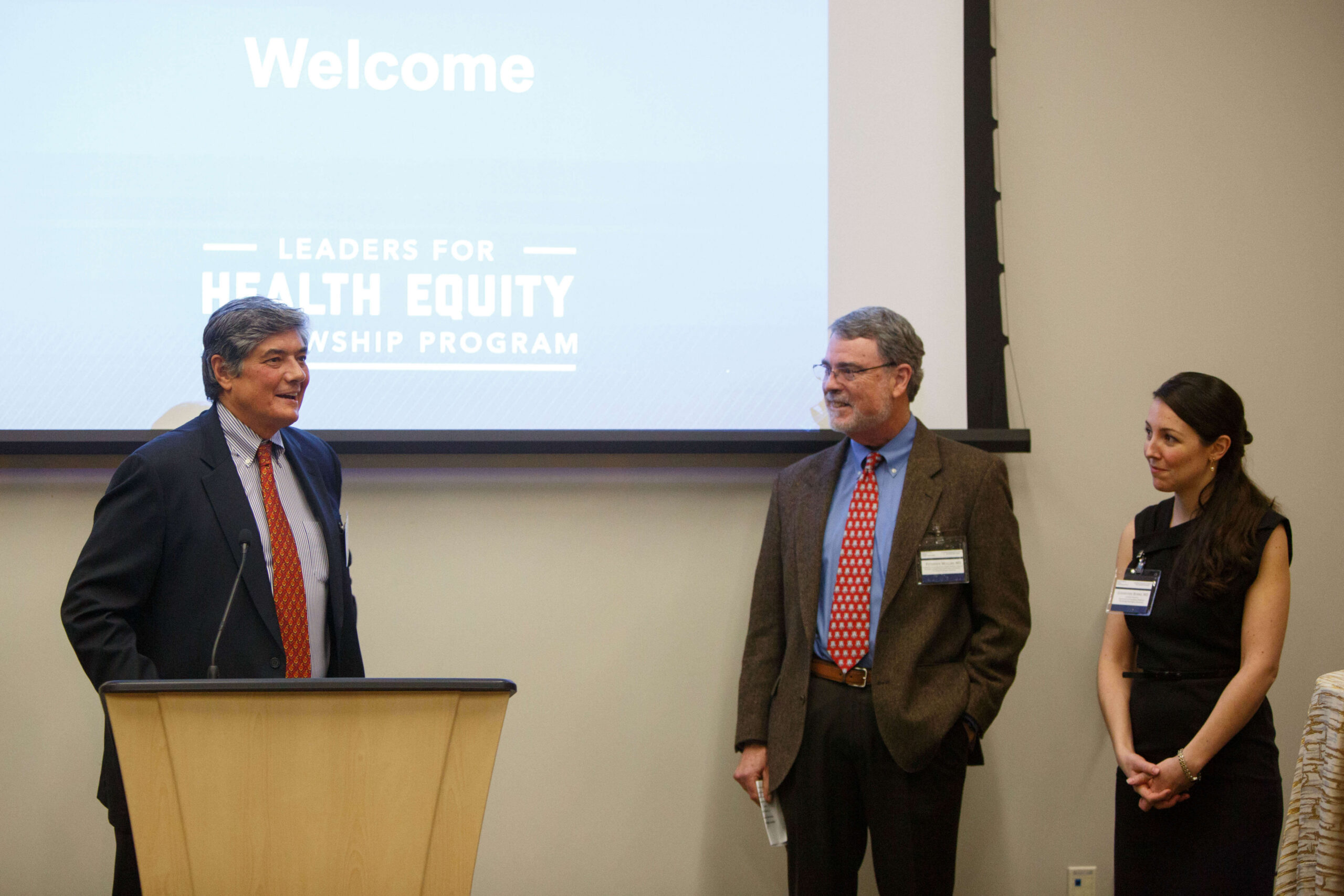
A speaker stands at a podium in front of a screen displaying "Leaders for Health Equity Fellowship Program" while two colleagues stand nearby listening.

The Atlantic Philanthropies provided the funding that made the Leaders for Health Equity program possible, reflecting its long-standing commitment to improving access to quality health care, supporting leadership development, and advancing health equity by investing in leaders capable of driving lasting change.

July
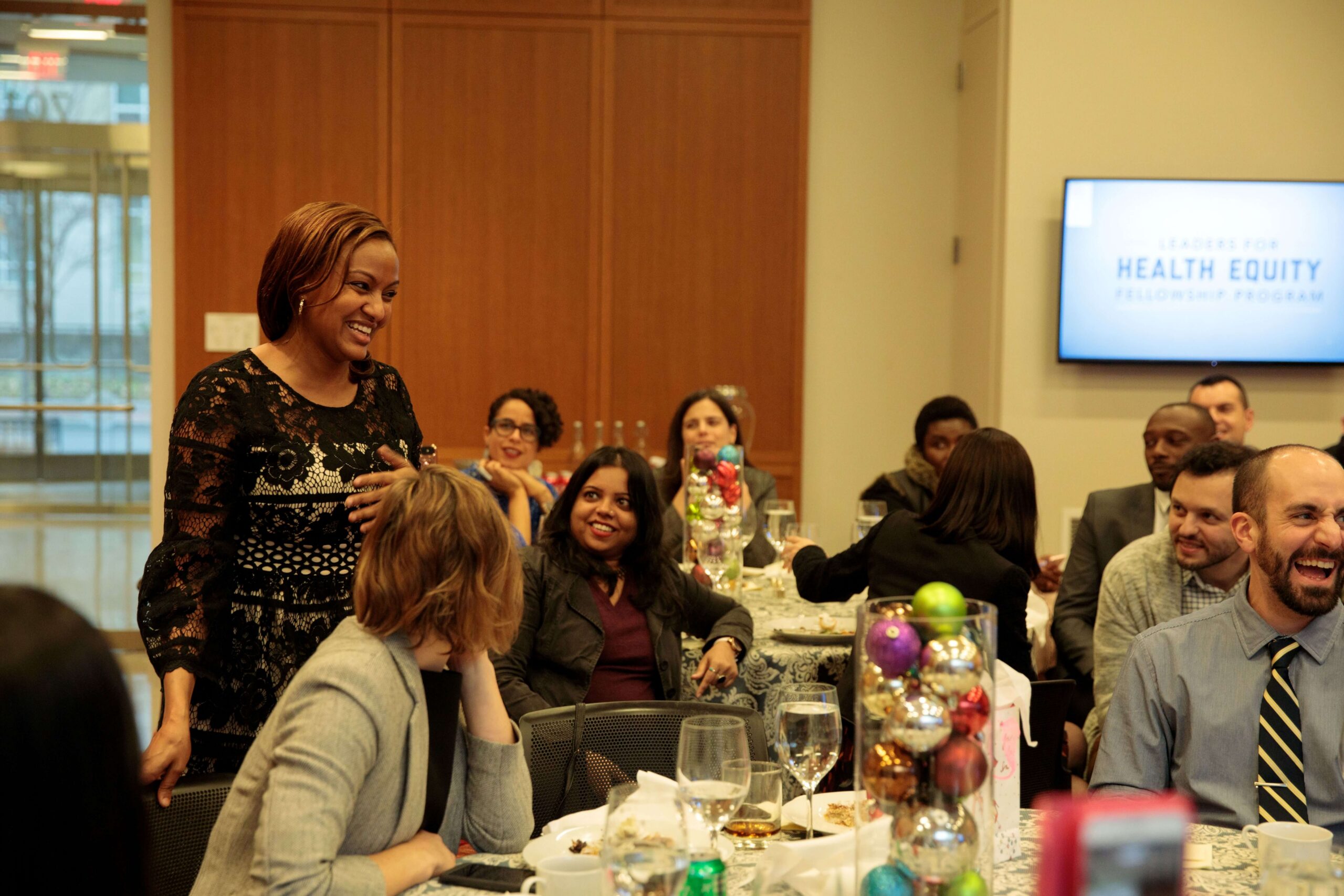
We brought on Selam Bedada as our first full-time staff member, beginning a leadership journey that would later lead to her appointment as Program Director. She has since played a crucial role in every aspect of the AFHE fellowship experience, from recruitment and selection to creating a thriving Senior Fellow community.

Jan

A group of people sit around a large dining table in a bright room working together on their laptops.

We welcomed our first class of 15 fellows from Brazil, India, the Philippines, Uganda and the United States at our inaugural Initial Convening. Together, they built a shared foundation for learning, leadership and community as they began their fellowship journey.

Feb

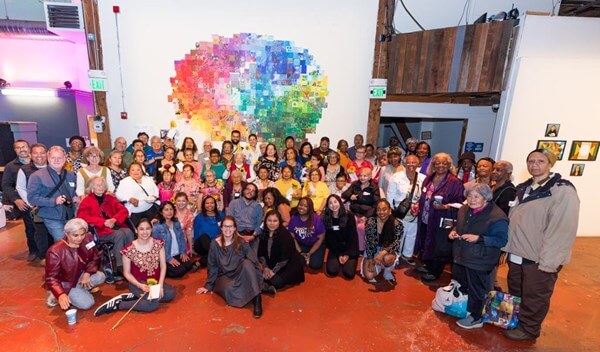
A large group of diverse professionals poses together for a photo in front of a wall covered in colorful sticky notes.

We launched our curriculum with health equity and leadership learning directors Seble Frehywot and Kate Hilton. The 2017 cohort engaged deeply through both in-person convenings and a robust online curriculum that connects fellows throughout the year.

June
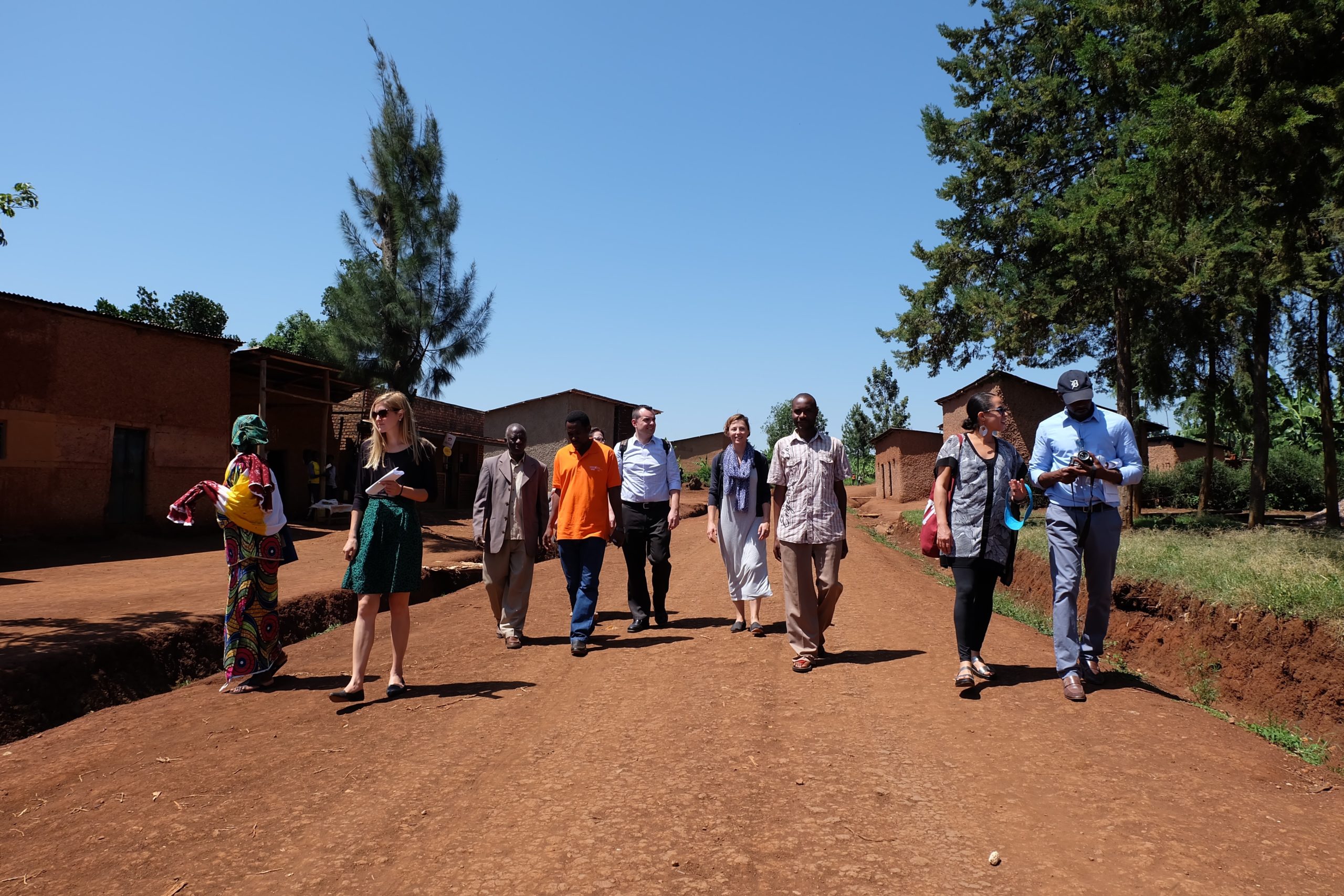
A group of people walking along a dirt road.

Our first Mid Year Convening, held in Rwanda at the University of Global Health Equity, marked the first time fellows traveled outside the United States together as a cohort. The Mid Year Convening explores global approaches to health equity, with a particular focus on low- and middle-income countries.

Nov

Attendees wearing traditional woven scarves smile during a candid conversation at an indoor event.

The inaugural cohort graduated during our Final Convening in Washington, D.C. The event also featured the first Equity Talks, which are brief, TED-style presentations that remain a defining part of the fellowship experience. With graduation, the cohort became our first Senior Fellows, establishing an alumni community that continues to result in vibrant relationships and impactful collaborations.

Dec
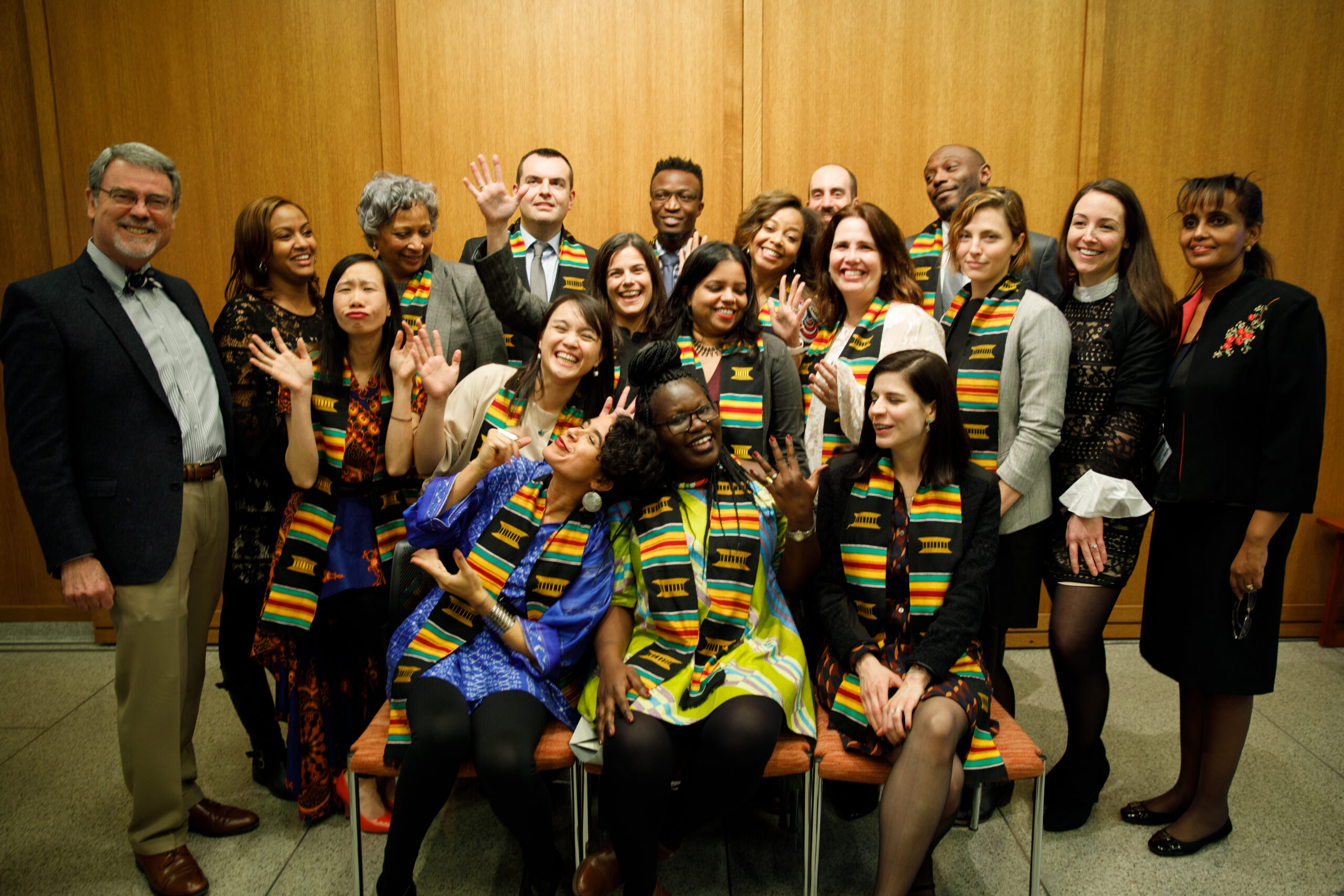
Our first fellows helped recruit the next cohort, beginning a tradition of connection and mentorship between current and Senior Fellows that continues to result in vibrant relationships and impactful collaborations.

Jan

We welcomed our second cohort with fellows from Argentina, India, the Philippines, Sierra Leone and the United States growing our community to 30 fellows. Together, our current and Senior Fellows reflected our commitment to bringing together leaders from the many sectors that shape health and well-being, including law, economics, medicine, dentistry, nursing, community organizing, data science and public health management.

April

A presenter holding papers points across a conference table toward an attendee raising their hand during a meeting.

Current and Senior Fellows came together for our first All-Fellows Convening at the Beyond Flexner Conference in Atlanta, creating new opportunities for connection, learning, and collaboration that helped to establish our passion for bringing fellows together in person.

August

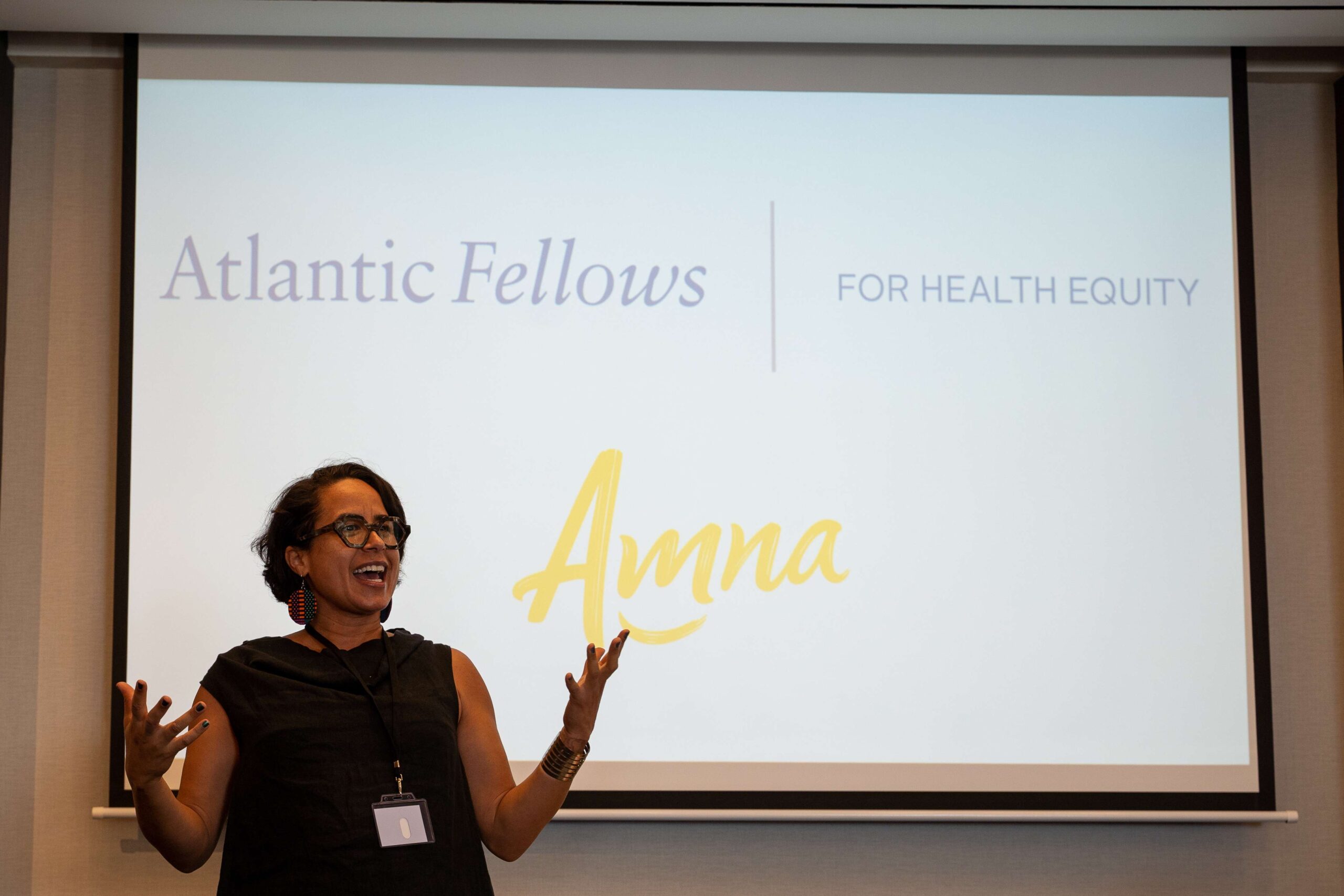
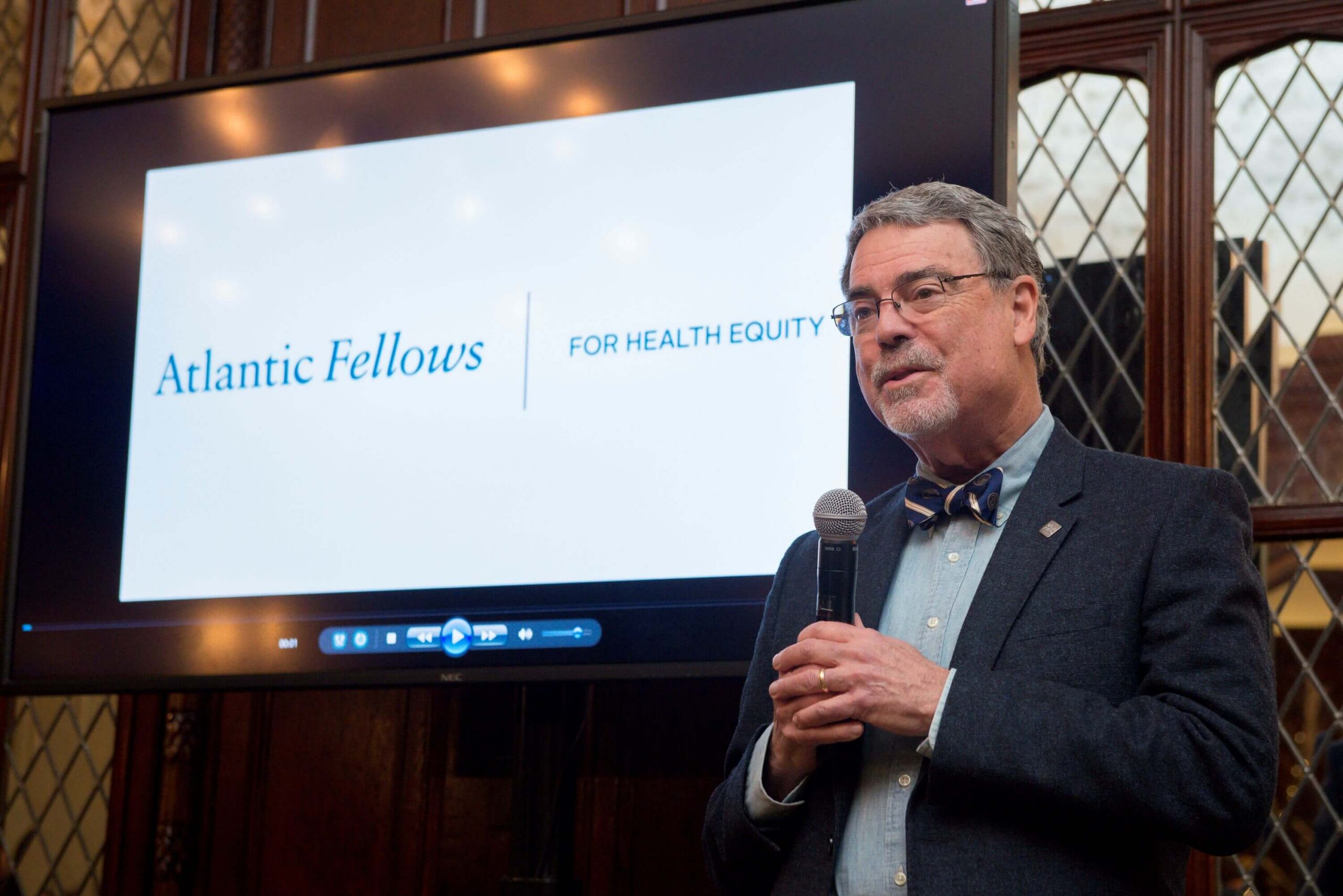
A man in a bow tie speaks into a microphone in front of a screen displaying the Atlantic Fellows for Health Equity logo.

The Leaders for Health Equity joined the global Atlantic Fellows community and became Atlantic Fellows for Health Equity (AFHE) U.S. + Global. An additional $18 million investment from The Atlantic Philanthropies expanded our reach and strengthened our capacity to support health equity leaders worldwide.

Jan
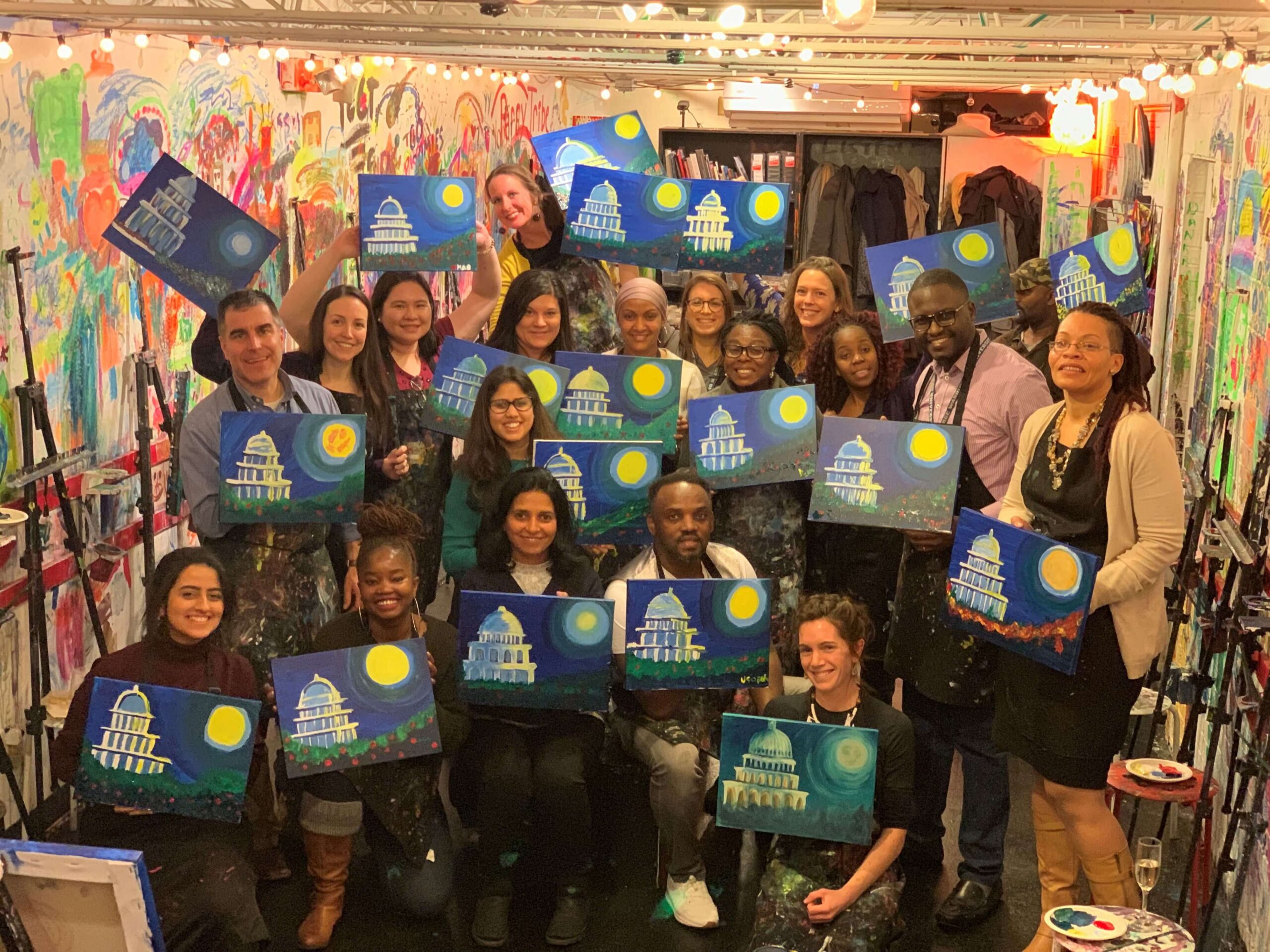
A group of people gather in a brightly lit art studio, smiling and holding up their matching paintings of the U.S. Capitol building at night.

We welcomed our third cohort and the first under our new name, Atlantic Fellows for Health Equity U.S. + Global. Expanded support from The Atlantic Philanthropies increased our international representation and strengthened our ability to address health equity challenges across borders with fellows from Ghana, Iraq, Malawi, Nigeria, the Philippines, India and the United States working in mental health, social work, art, public health, health policy, medicine, dentistry and nursing

April

A speaker holding a small glass addresses an audience from a podium alongside two colleagues standing next to a George Washington University backdrop.

The George Washington University renamed the GW Health Workforce Institute as the Fitzhugh Mullan Institute for Health Workforce Equity, honoring AFHE co-founder Dr. Fitzhugh Mullan and his lifelong commitment to social justice, health equity and health workforce policy.

Juy

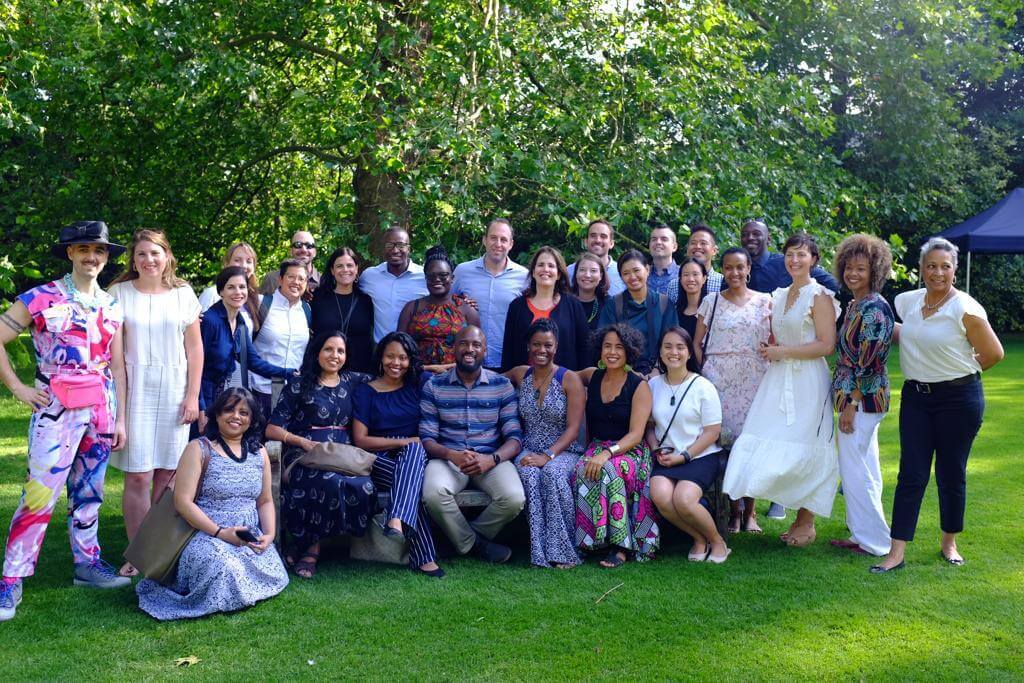
A large group of people pose together on a vibrant green lawn surrounded by lush trees during an outdoor gathering.

Fellows from the 2017 and 2018 cohorts joined more than 100 Senior Fellows from all seven Atlantic Fellows programs for the inaugural Global Atlantic Fellows Convening in Oxford, building meaningful connections across cultures, disciplines and lived experiences.

Nov
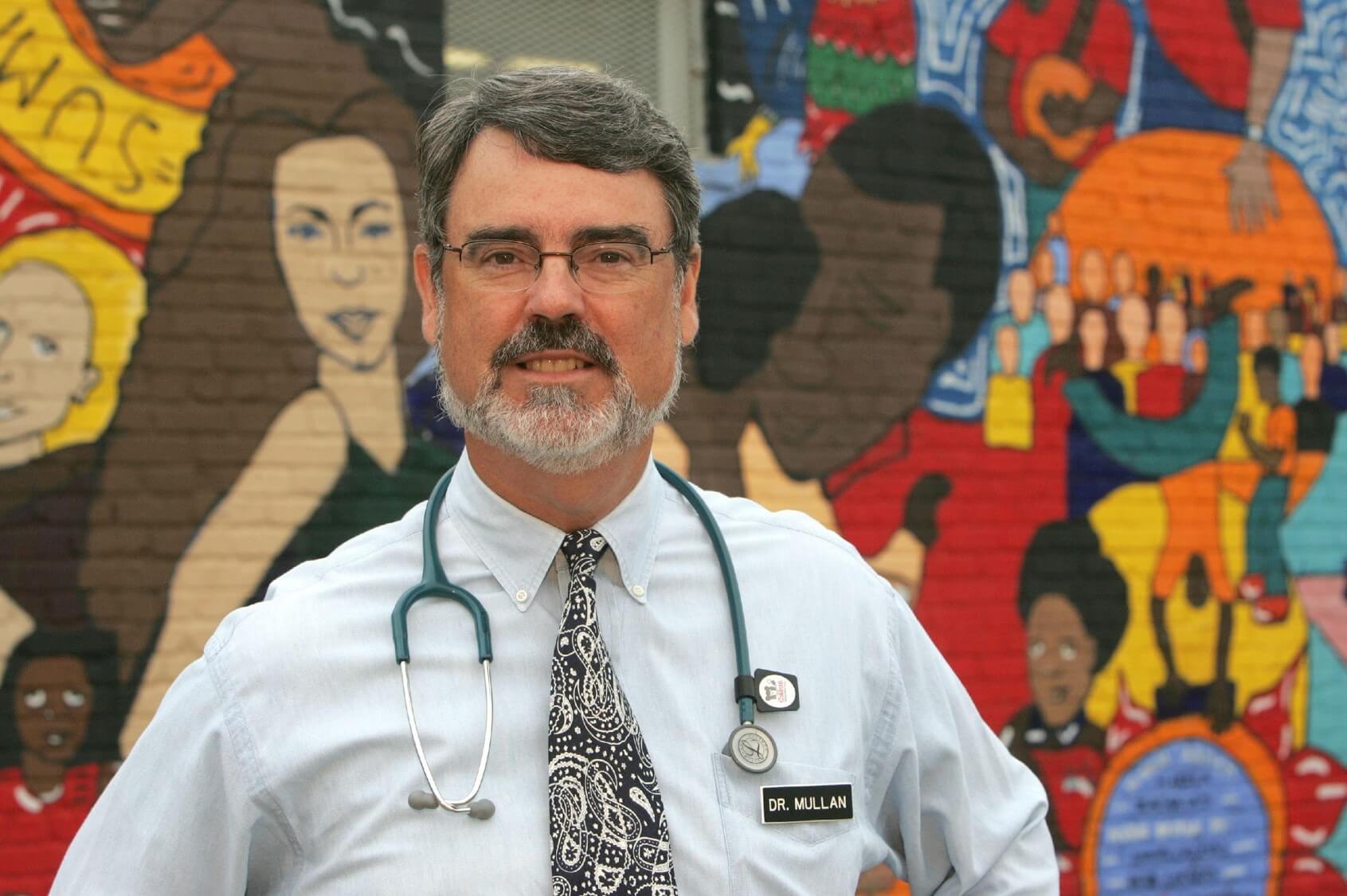
A doctor with a stethoscope around his neck poses in front of a colorful wall mural featuring illustrated figures.

We lost one of our founding leaders and strongest advocates, Dr. Fitzhugh Mullan. His vision, leadership, and unwavering commitment to health equity helped shape AFHE from its earliest days and continues to guide our work today.

Jan
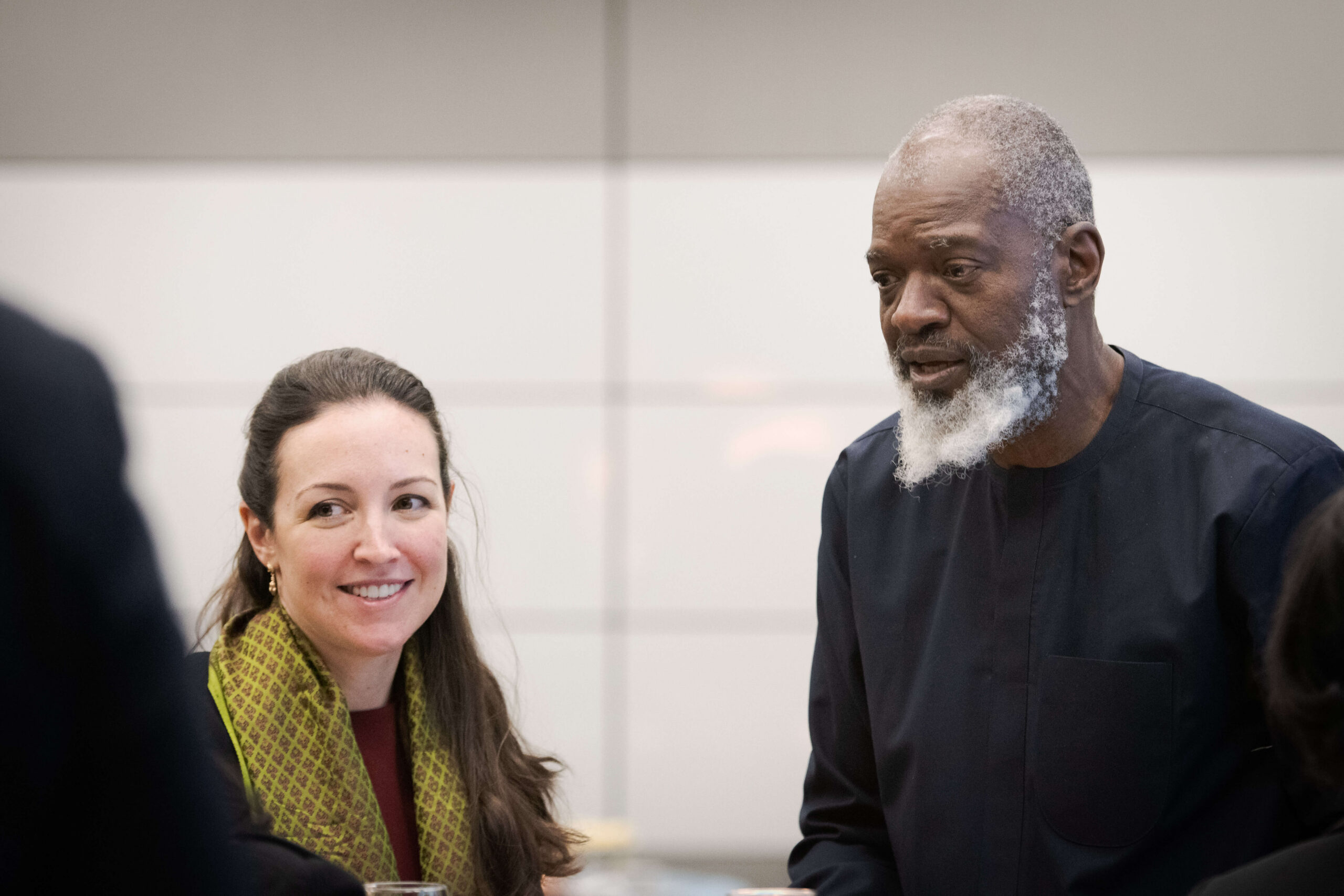
A woman with a patterned green scarf smiles warm-heartedly while looking toward a man with a white beard wearing a dark long-sleeved shirt.

We established the AFHE Charter Committee and convened it for the first time. Composed of leaders committed to health equity, education, social change, and reducing health disparities, the committee helps guide the fellowship's continued growth and development.

Feb
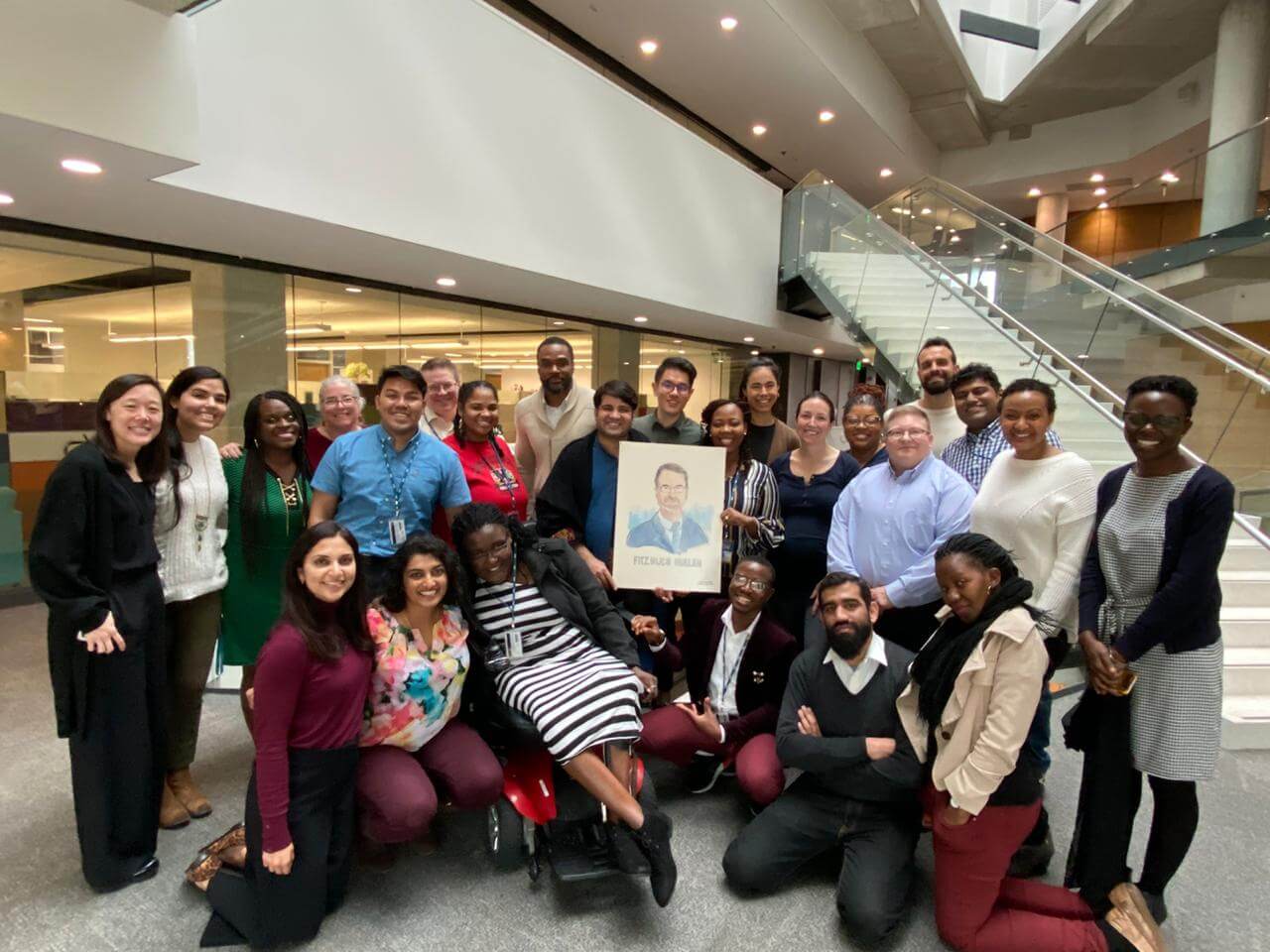
A group of colleagues pose together in a modern building atrium while two members in the center hold up a framed portrait illustration.

Like communities around the world, our fellowship was tested by the COVID-19 pandemic. The 2020 cohort et in person only once before lockdowns and travel restrictions shifted the remainder of the fellowship online, calling in from India, Kenya, Liberia, Malaysia, Nigeria, Pakistan, the Philippines, Trinidad & Tobago, Uganda and the United States.

April
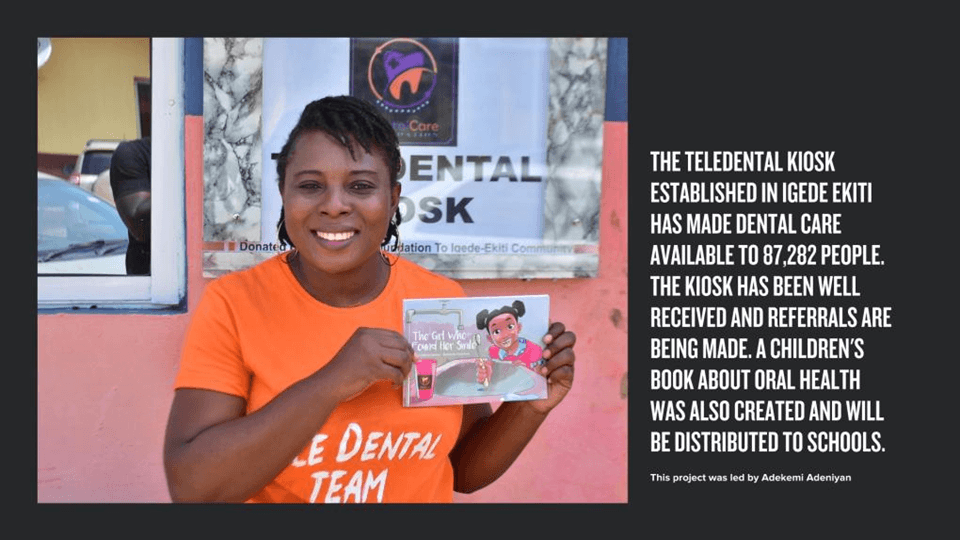
A smiling woman in an orange shirt holds up a children's book titled "The Girl Who Found Her Smile" next to text about a teledental kiosk project.

Many current and Senior Fellows also received COVID-19 solidarity grants from the Atlantic Institute to support their communities' response efforts, responding to the scale and severity of the pandemic and its impacts emotionally, physically and economically.

July

Painted letters A, F, H and E on a graffiti wall

We established the Senior Fellow Advisory Board (SFAB) composed of graduated fellows who work closely with the AFHE Senior Fellow Engagement Team to build a vibrant and connected community of Senior Fellows and to ensure Senior Fellow initiatives remain responsive to the needs of our growing community.

Oct
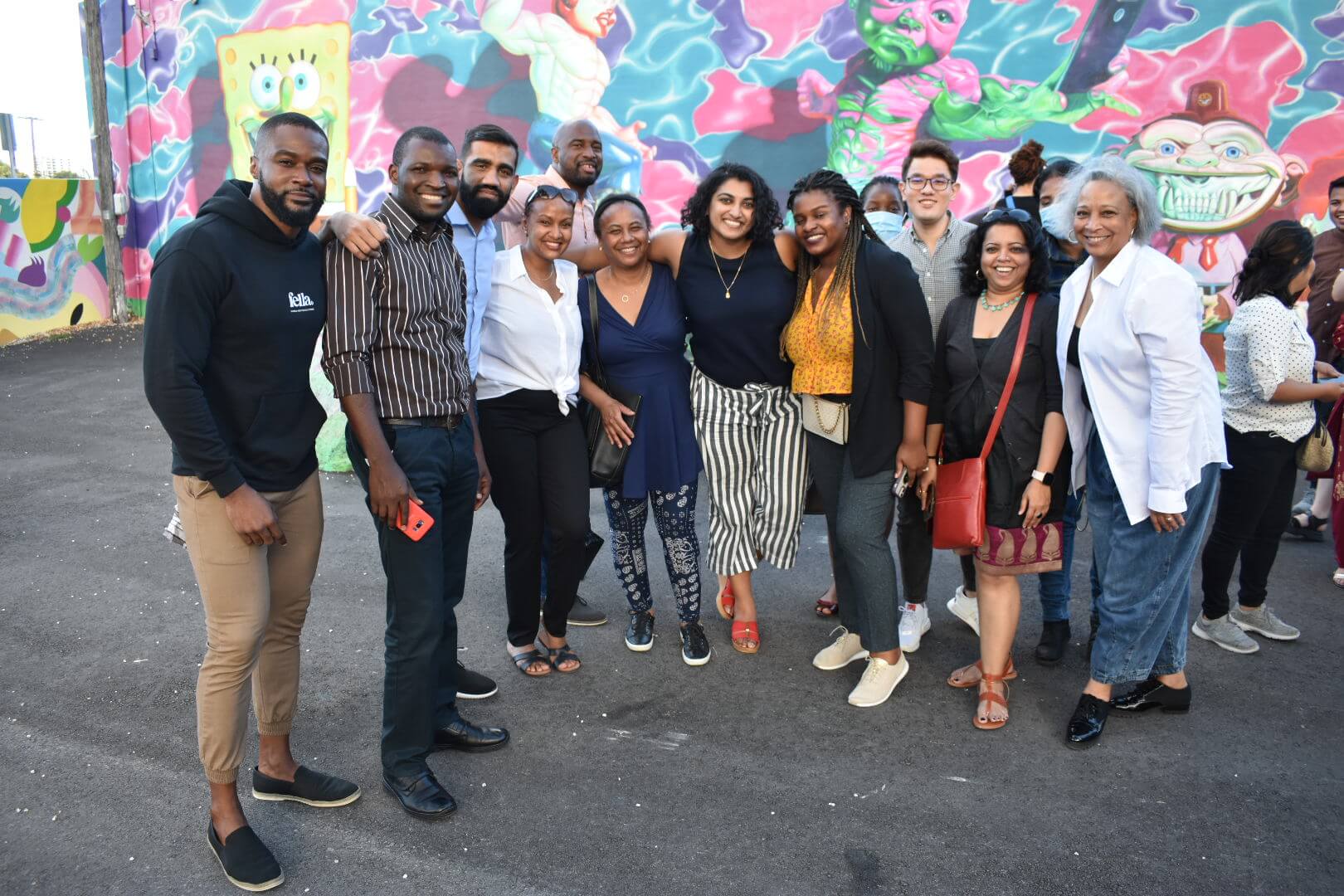
A group of people pose together outdoors on an asphalt surface in front of a colorful, vibrant graffiti wall.

As the COVID-19 pandemic continued, we adapted our programming to meet the evolving needs of fellows and expanded support for communities facing ongoing challenges. We created two new roles — Senior Fellow Faculty and Senior Fellow Lead — to strengthen engagement across our growing Senior Fellow community and support opportunities for learning, collaboration and collective impact. With much of our programming still online, we hosted webinars and community mingles on topics ranging from COVID-19 and global health to music, joy and wellness. We created two new roles — Senior Fellow Faculty and Senior Fellow Lead — to strengthen engagement across our growing Senior Fellow community and support opportunities for learning, collaboration and collective impact.

Nov

A digital graphic showcases three animated educational video programs addressing COVID-19 topics for children, Latinx, and Pakistani communities.

Even amid isolation and uncertainty, fellows continued to lead and collaborate. Six Fellows created the COVID Health Animation Project, using culturally tailored animated content to combat misinformation and promote healthy behaviors in underserved communities. The videos reached more than 1.5 million people.

May

A group of seventeen professionally dressed individuals pose together for a group photo in front of dark gray curtains.

The 2021 cohort became the first to begin their fellowship journey virtually, joining from Democratic Republic of Congo, Egypt, Haiti, Iraq, Mexico, Nepal, Nigeria, Peru, Sudan and the United States, working in mental health, maternal health, rural and refugee health, pediatrics, urban development, veteran’s health, epidemiology, conflict resolution, health financing, social work, psychology, public health, health policy, medicine, dentistry and engineering

Feb
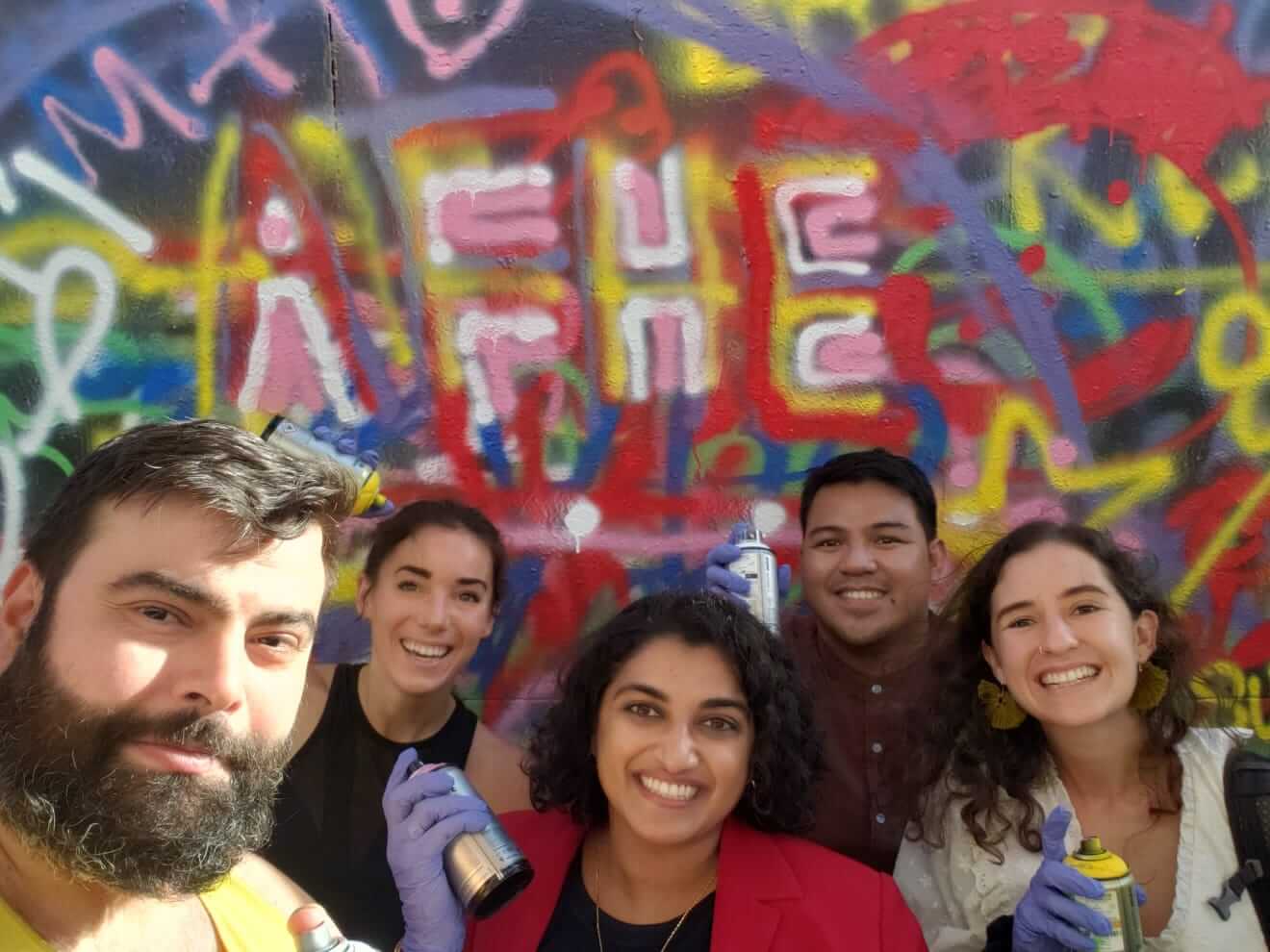
Five smiling individuals pose for a selfie while holding spray paint cans in front of a colorful, graffiti-covered wall.

We held our first Senior Fellow Convening, bringing together current and Senior Fellows to explore health through the lens of gender, sexuality, and identity in Miami. Together, fellows explored issues around women’s health, LGBTQ health, gender-based violence, and transformative grassroots efforts that are addressing inequities in these spaces.

April

A group of people wearing matching blue and gold graduation stoles pose under a canopy of blooming pink cherry blossom trees.

The 2021 cohort gathered for an in-person Final Convening and graduation, deepening relationships formed during a largely virtual fellowship year before joining our Senior Fellow community.

Sept

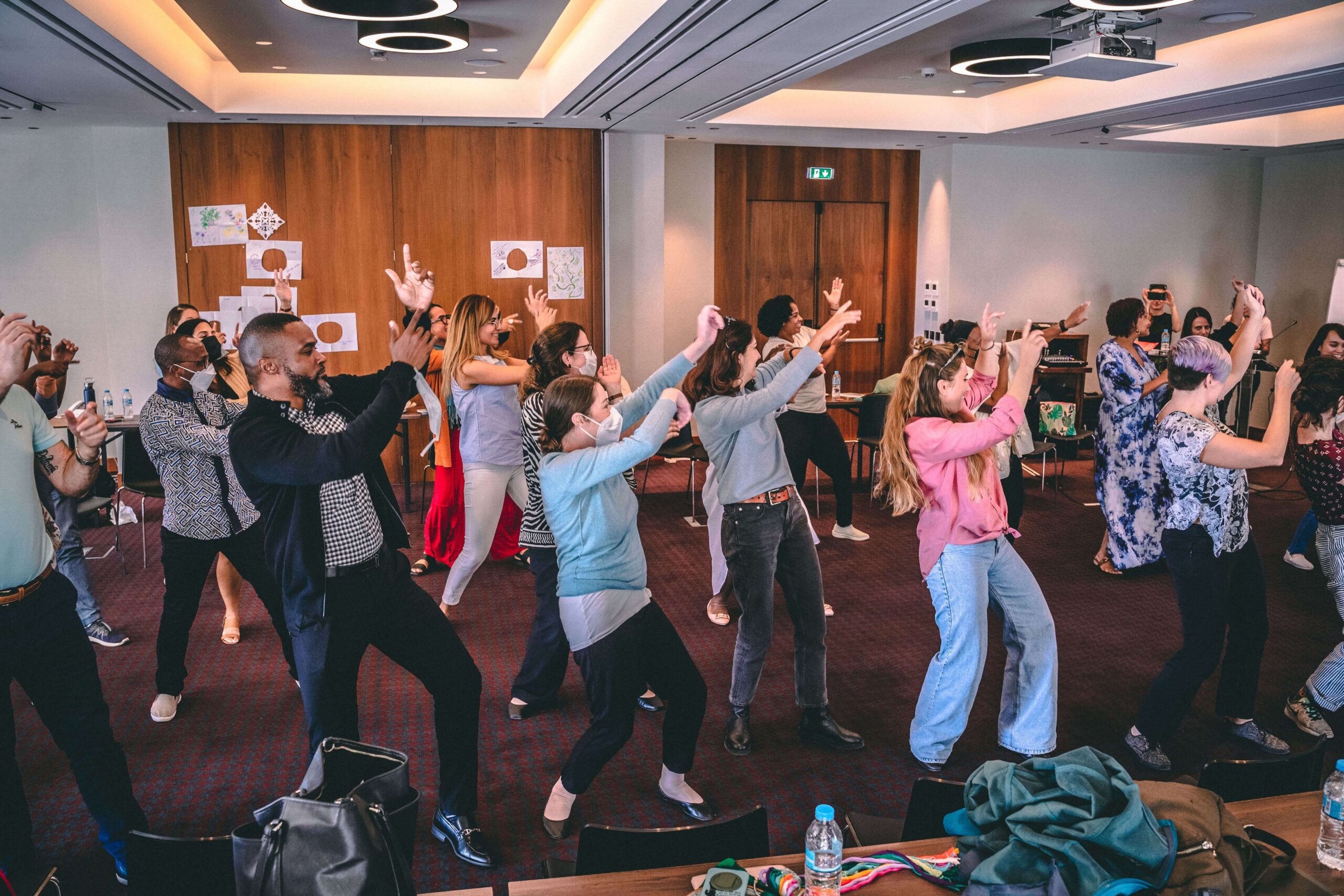
A group of people practice synchronized dance moves inside a spacious conference room with dark red carpeting.

We launched our Thematic Convening model in Thessaloniki, Greece, with a convening focused on displacement and health. Designed for Senior Fellows, these intensive learning experiences combine deep exploration of pressing health equity issues with collective action and collaboration. The convening inspired a range of projects, including opinion pieces, educational resources, training modules, and a children's book, demonstrating how learning and relationships formed during the week can translate into lasting impact.

Jan
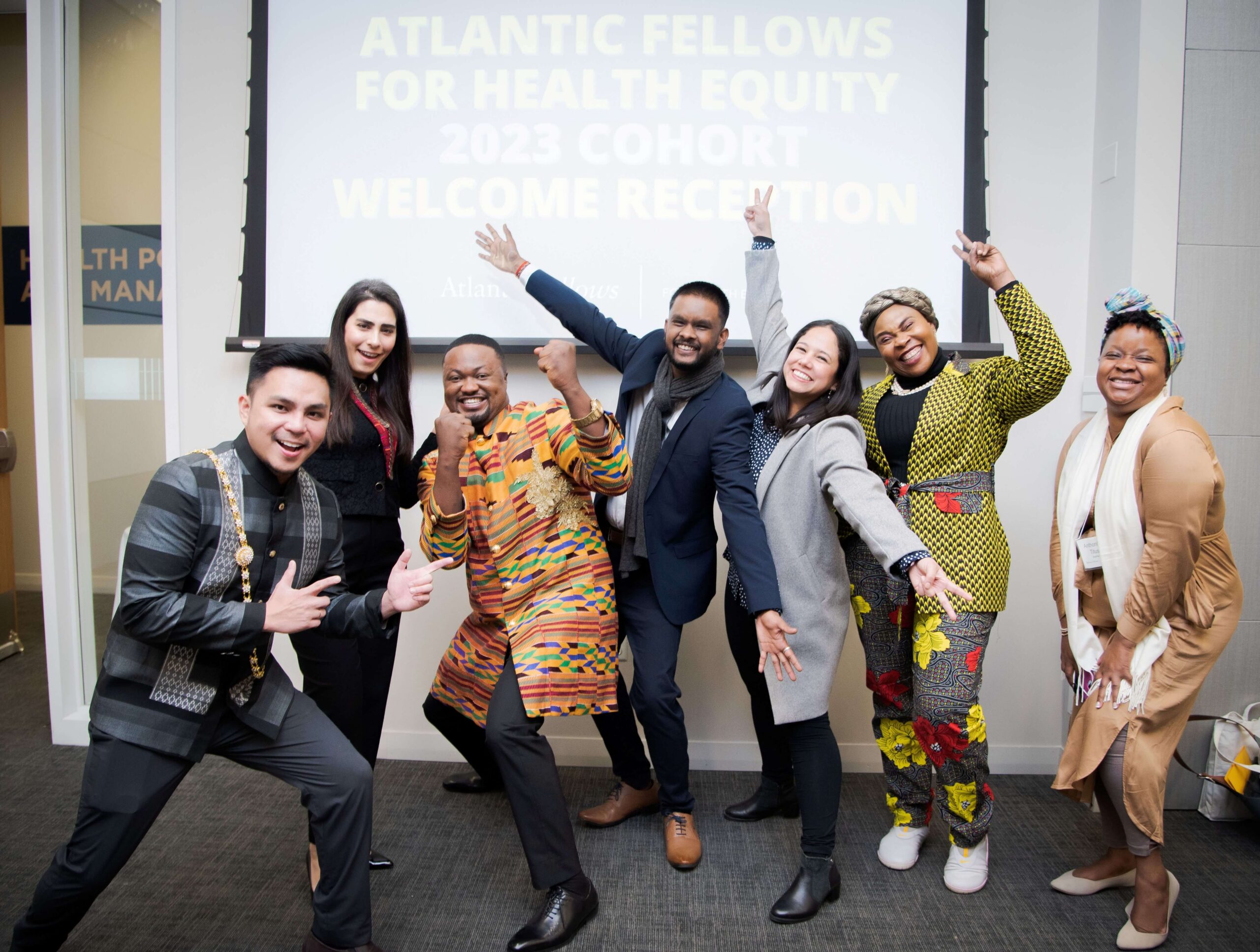
Seven group members pose joyfully in front of a projection screen announcing the Atlantic Fellows for Health Equity 2023 Cohort Welcome Reception.

We welcomed our sixth cohort, bringing together leaders from Canada, Belgium, Ethiopia, Ghana, Haiti, India, Kenya, Mexico, Mauritius, Nigeria, Palestine, the Philippines and the United States working across fields including community health, journalism, law, medicine, psychology, research, social work, LGBTQ+ health, and the arts.

Aug

group of people sitting in a circle, mostly kids with some adults.

We launched the AFHE Collaboration Fund to bring Senior Fellows together to build on one another’s expertise, pursue shared ideas, and turn collaboration into collective action.

Sept

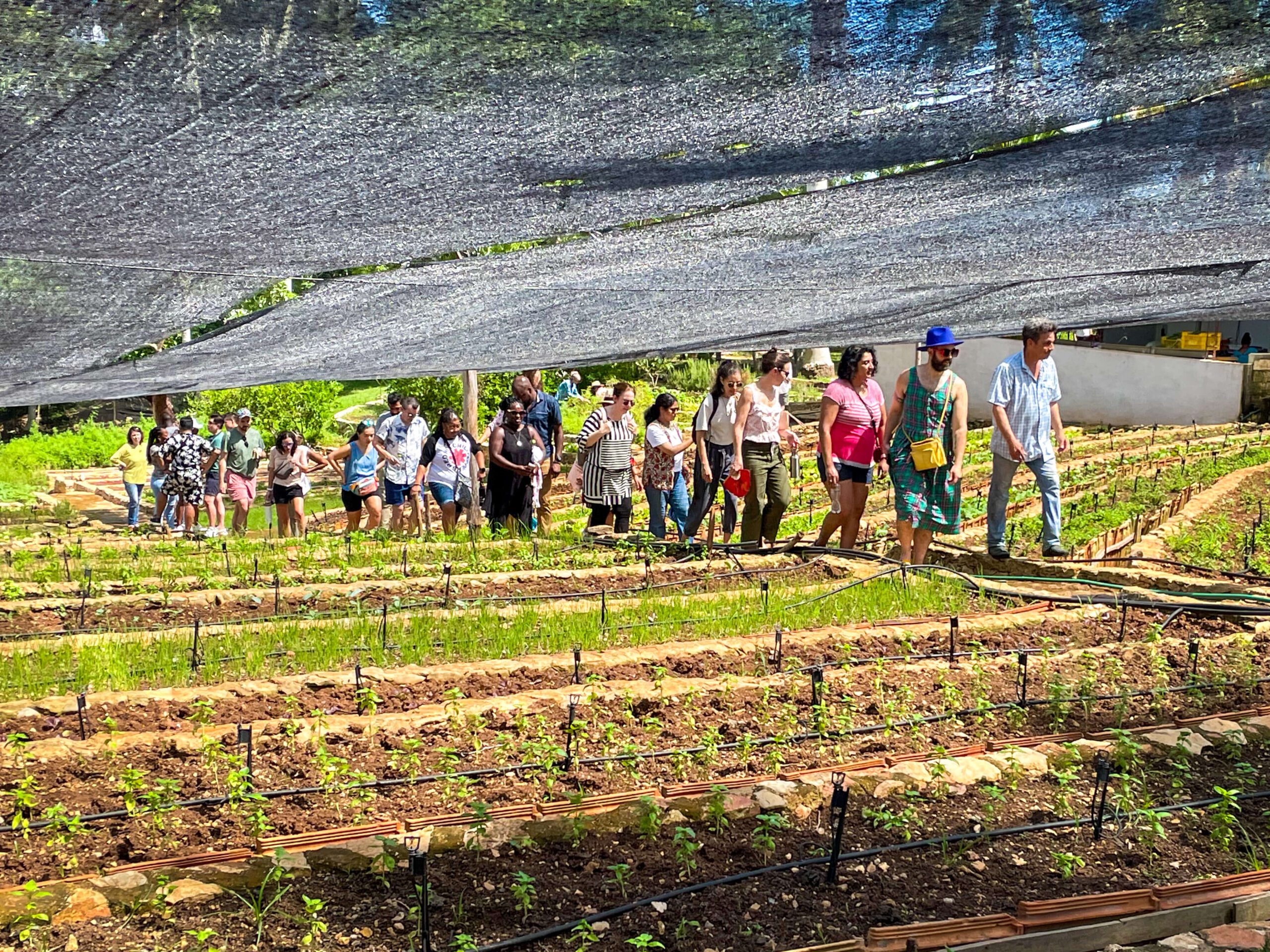
fellows walking up stairs in finca marta cuba

Senior Fellows gathered in Havana, Cuba, for a Senior Fellow Convening. In partnership with Care Lab, fellows engaged directly with Cuban residents and entrepreneurs, exploring themes of entrepreneurship, equity, and social justice through community-based learning experiences.

Nov

Eight people in formal and cultural attire stand side by side on a stage under a floral arch during an outdoor event.

The 2023 cohort completed its fellowship journey in Addis Ababa, Ethiopia. This was our first Final Convening held outside the United States, reflecting our commitment to becoming a truly global fellowship.

Jan

A woman in an orange sweater vest and a man in a white t-shirt share a laugh while standing near a brightly decorated doorway inside a building.

We welcomed our seventh cohort, bringing together leaders from Cameroon, Ethiopia, Ghana, India, Pakistan, the Philippines, Switzerland, Uganda, the United Kingdom, the United States, and Zambia, working across data science, economics, epidemiology, government, health policy, law, medicine and nursing.

Feb
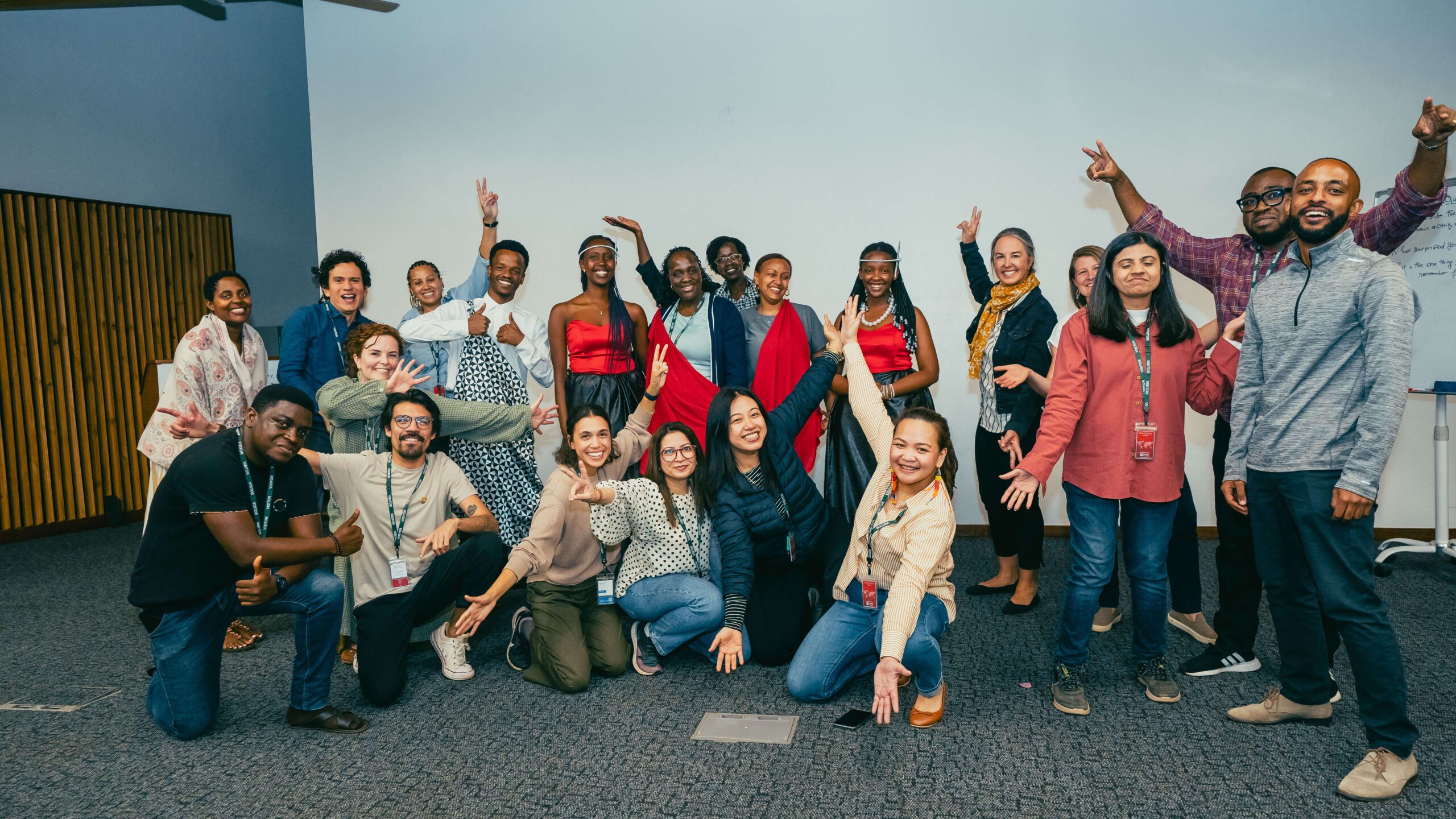
Group of people smiling for a group photo

We transitioned from Atlantic Fellows for Health Equity U.S. + Global to Atlantic Fellows for Health Equity Global to reflect the increasingly international nature of our fellowship community and work.

April

A group of colleagues gather in an elegant banquet hall and pose around a woman holding a crystal award.

We accepted the 2024 Josiah Macy Jr. Foundation Award for Program Excellence in Social Mission, recognizing our innovative and interdisciplinary approach to developing health equity leaders. We were proud to receive this recognition because it reflects what we see every day across the AFHE community: meaningful change happens when people with different experiences, expertise, and perspectives come together with a shared commitment to health equity.

Sept

A group of people walks down an unpaved dirt road lined with simple, colorful buildings under an overcast sky.

We hosted our second Thematic Convening in Lima, Peru, focused on community health. In partnership with Socios En Salud, Senior Fellows explored the role of community health workers and learned from community-driven approaches to improving health outcomes.

Oct

Two women stand together at a formal banquet and hold up a glass award in front of a presentation screen.

We celebrated a leadership transition, naming Selam Bedada as Program Director and Guenevere Burke as Executive Director. Together, they are leading AFHE into its next chapter, with Selam strengthening the fellowship and Senior Fellow community and Guen expanding our reach, deepening partnerships, and creating new opportunities for our community to connect, collaborate, and advance health equity together.

Nov

A group of people smile for a selfie on an outdoor trail surrounded by dense green vegetation.

We traveled to Oceania for the first time as a fellowship, hosting our Final Convening in Rotorua, Aotearoa, New Zealand.

Dec

Graphic promoting an AFHE webinar.

We supported fellows in organizing an International Day of Persons with Disabilities webinar, Transformative Solutions for Inclusive Development, highlighting how innovation can advance accessibility, inclusion and health equity.

Jan

A group of people huddle together enthusiastically for a photobooth picture while holding a blue sign that reads AFHE.

We welcomed our eighth cohort, bringing together leaders from Ethiopia, India, Iraq, Malawi, Malaysia, South Africa, Switzerland, Uganda, the United Kingdom, and the United States. Fellows brought expertise across community engagement, disability and accessibility, engineering, gender-based violence prevention and response, maternal and child health, nursing, population health, sexual and reproductive health, and transgender health.

April

A group of people stands in a circle under a covered outdoor structure listening attentively to a woman with her back to the camera.

Senior Fellows gathered in Addis Ababa, Ethiopia, bringing the strength, diversity, and collective expertise of the AFHE community to life. From keynote reflections and panel discussions to facilitation and planning, Senior Fellows shaped the convening at every level, demonstrating the power of a community that learns from one another and leads together.

Sept

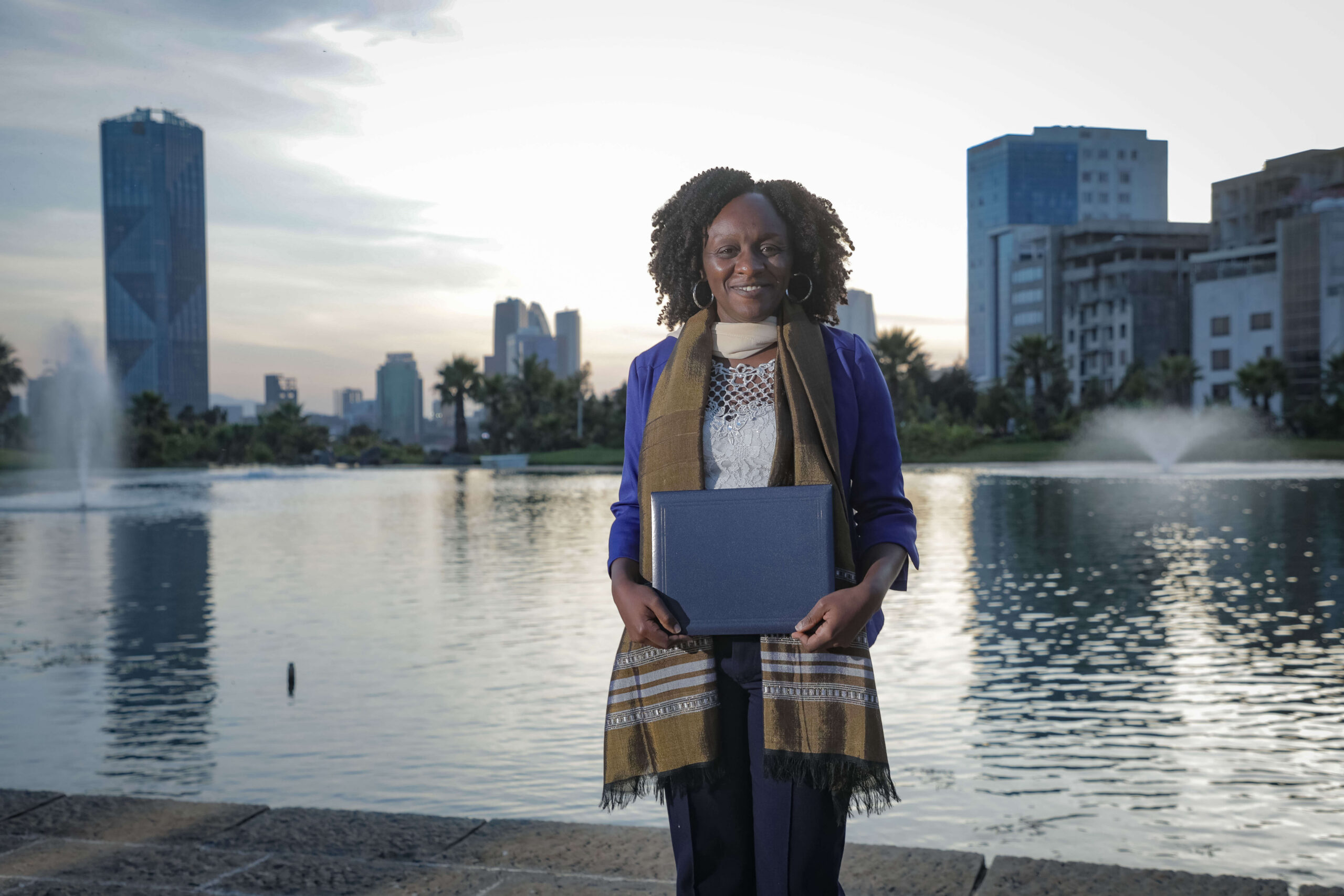
Black woman holding a booklet standing in front of a body of water

We honored the life and legacy of Felicia Mburu, a member of our 2023 cohort and a tireless advocate for disability inclusion, gender equity and human rights. Her leadership and impact continue to inspire our community.

Oct

Group of people smiling for a group photo

We launched a partnership with BMJ Leader to bring Fellows’ Equity Talks to a global audience through a dedicated blog series, amplifying the ideas, expertise, and perspectives shaping health equity across our community and beyond.

Nov
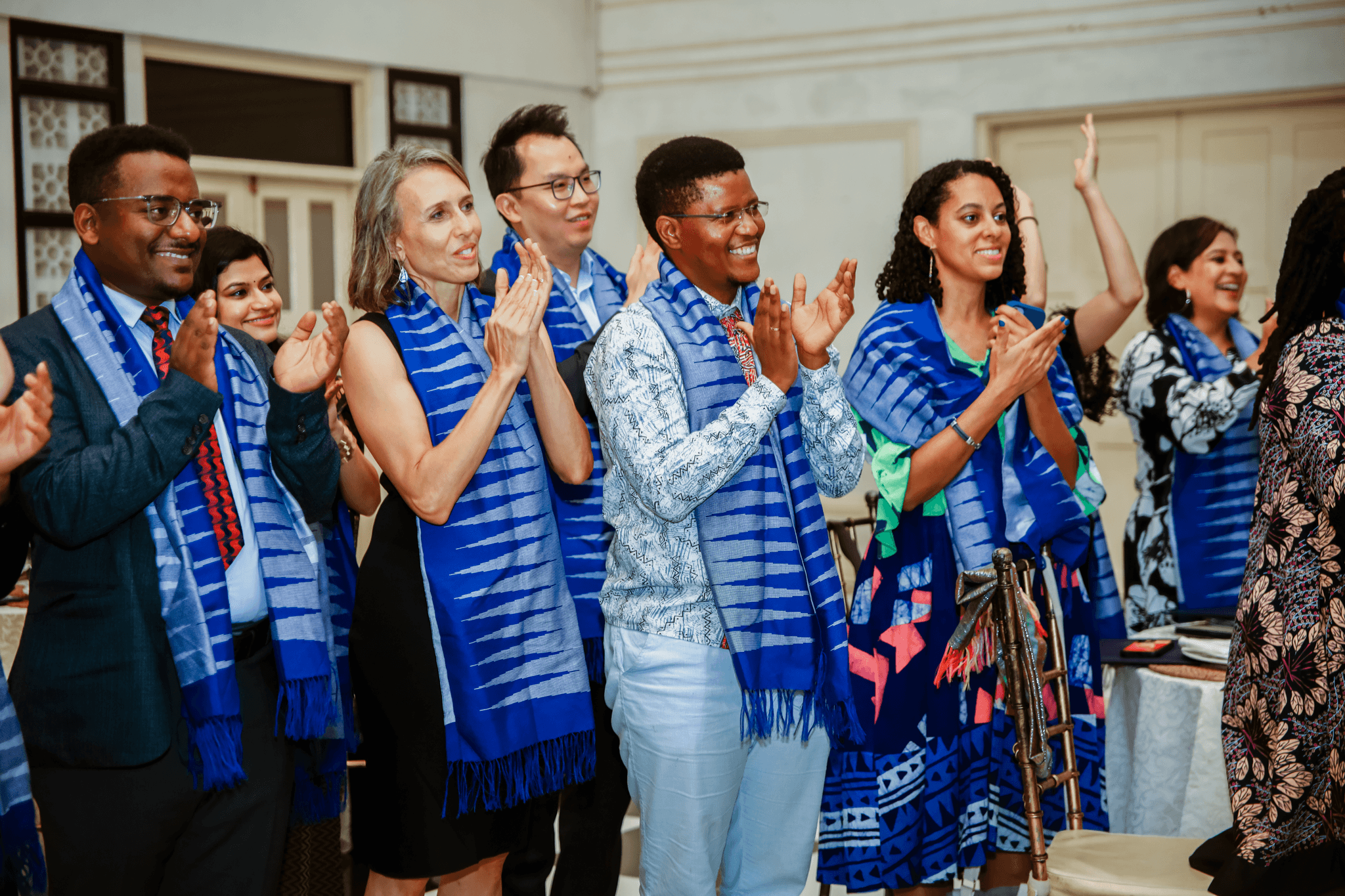
Group of diverse people in scarves clapping

The 2025 cohort gathered in Iloilo, Philippines, for their Final Convening and graduation. Developed in partnership with Senior Fellows from the Philippines, the week offered an opportunity to reflect, connect, and celebrate all they had learned and contributed throughout the year.

Dec
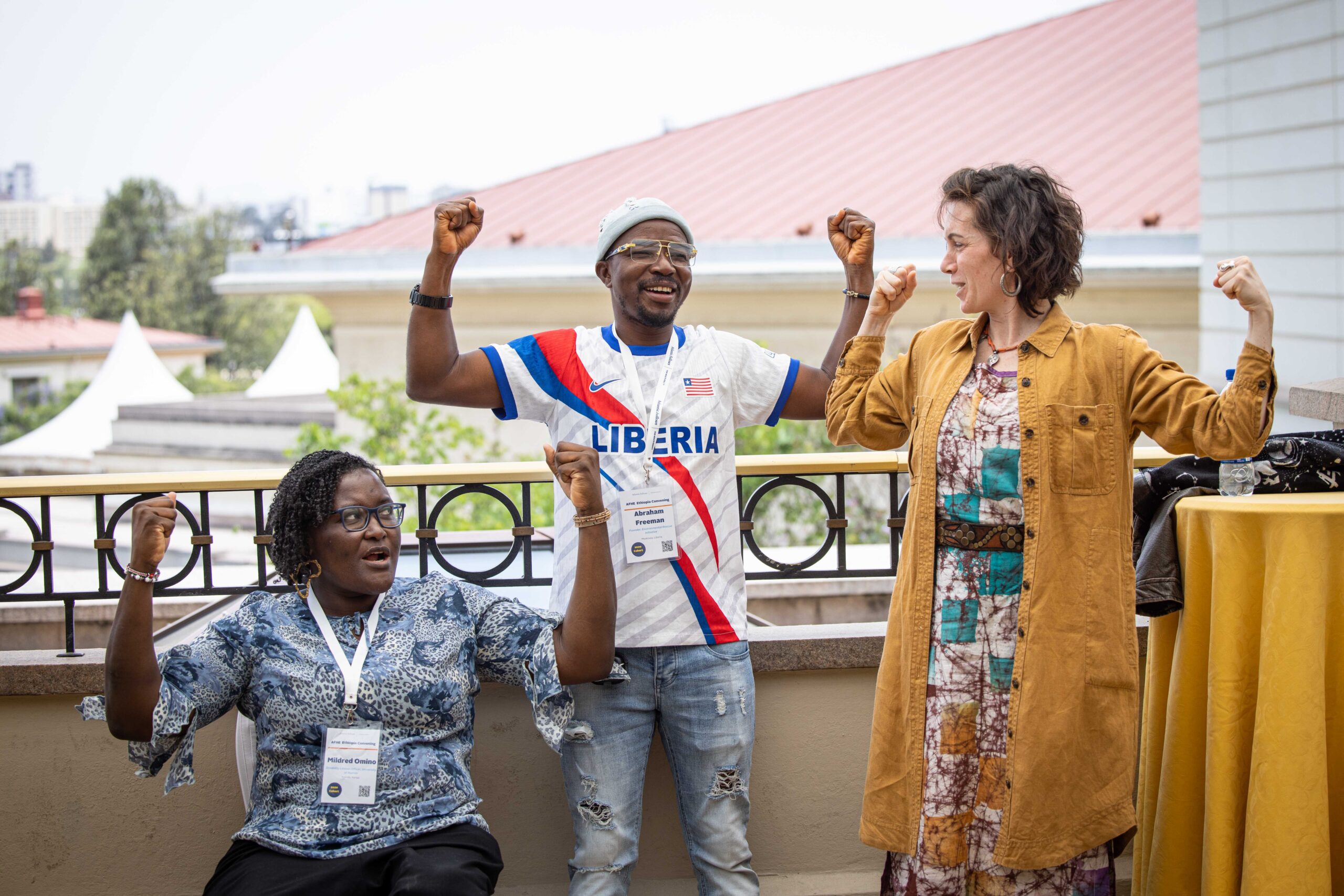
We published An Interdisciplinary, Global Approach to Health Equity Leadership: Lessons From the Atlantic Fellows for Health Equity in Academic Medicine, sharing what we’ve learned from building an interdisciplinary, global community of health equity leaders and how Fellows are translating that experience into action in communities around the world.

Jan
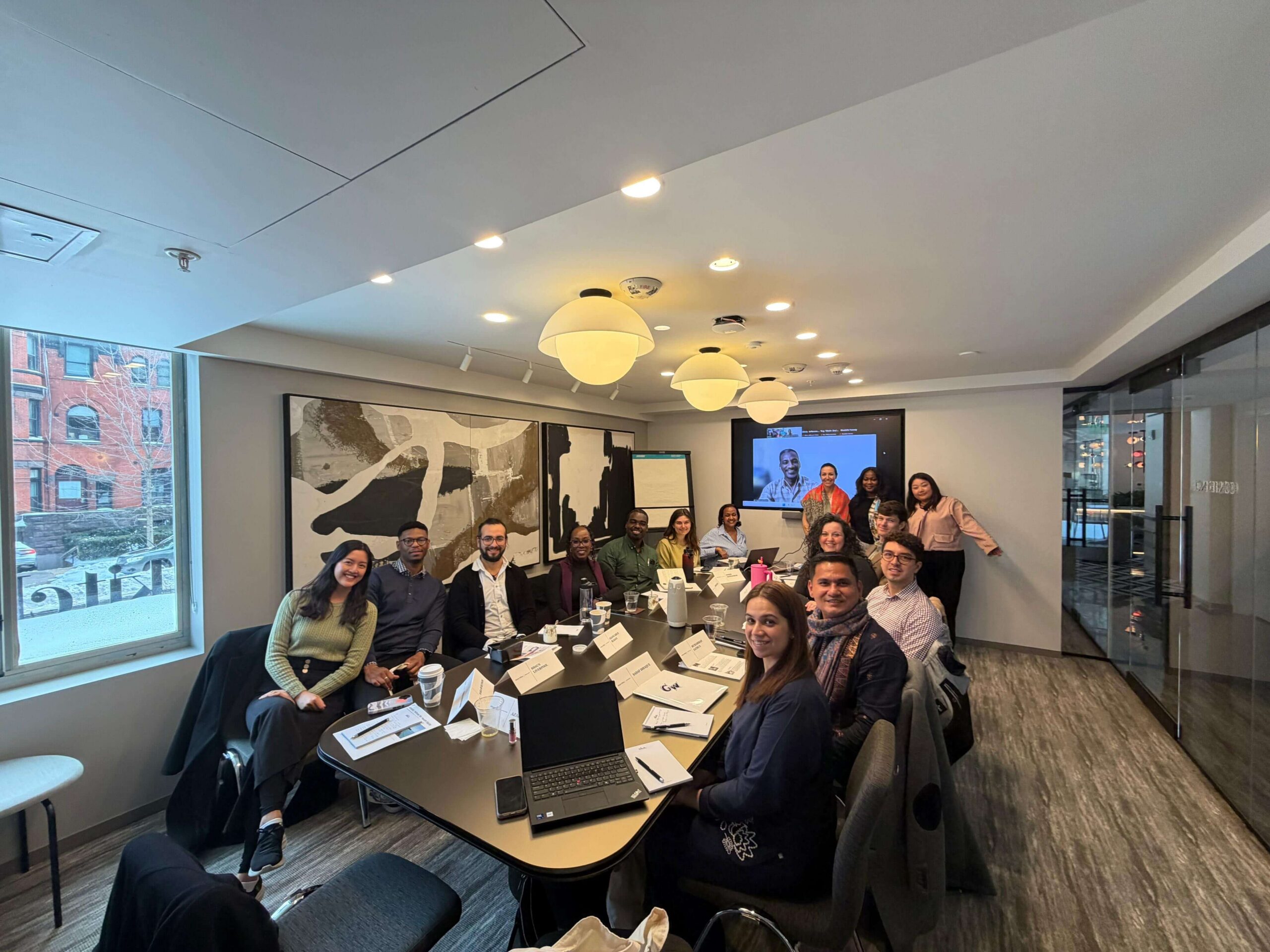
Members of a conference group pose around a long boardroom table inside a modern meeting room with abstract artwork on the wall.

We welcomed our ninth cohort, representing Australia, Bhutan, Ethiopia, Indonesia, Nigeria, Pakistan, Peru, Trinidad and Tobago, the United Kingdom, and the United States. Fellows brought experience across health economics, mental health, youth development, community health, oncology, nursing, food security, social work, education, nephrology and occupational health.

Feb
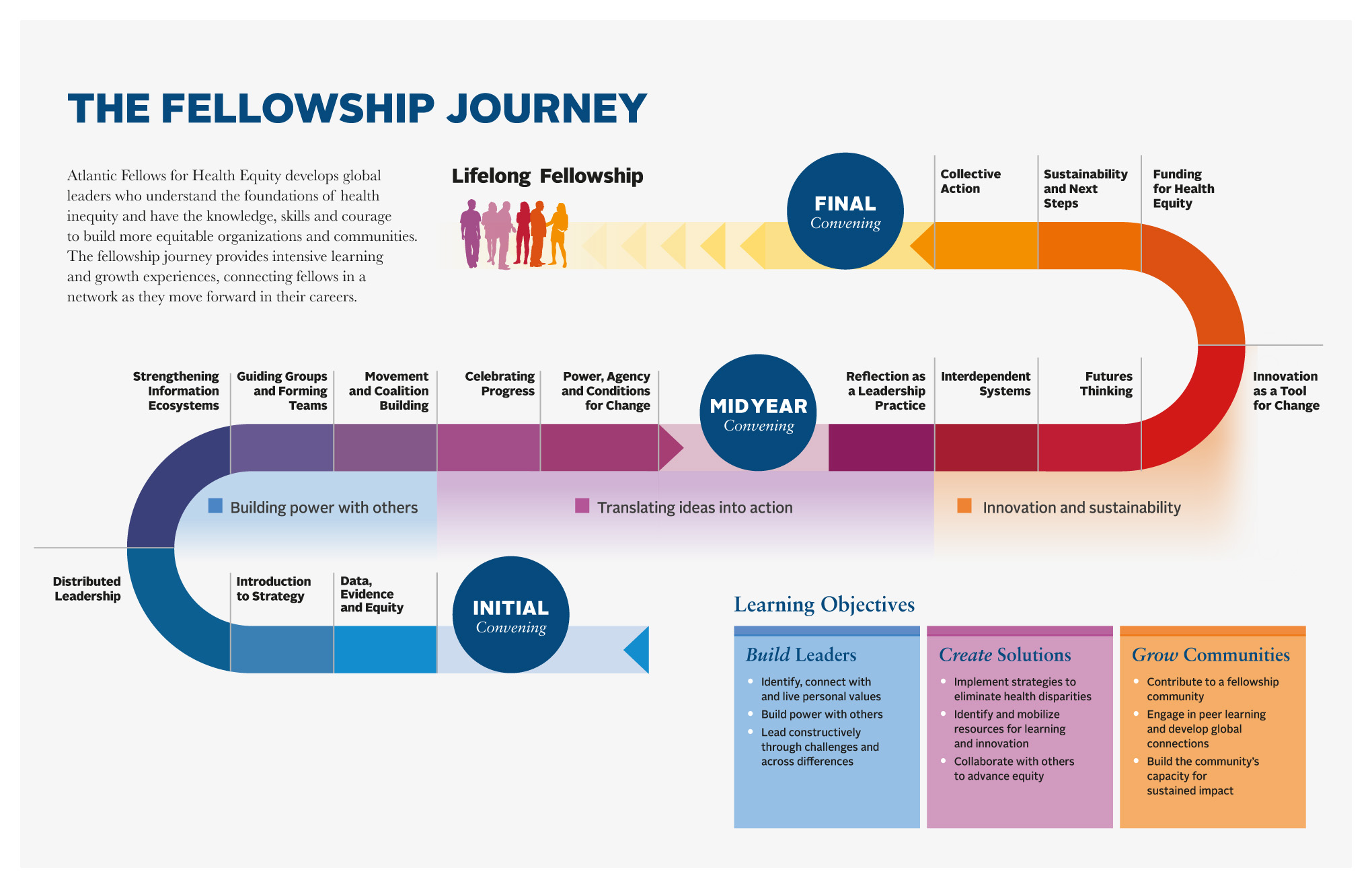
We launched a refreshed curriculum informed by nearly a decade of learning and designed to meet the evolving needs of health equity leaders. The update deepened our focus on innovation and sustainability, two themes fellows consistently identified as critical to advancing lasting change.

May
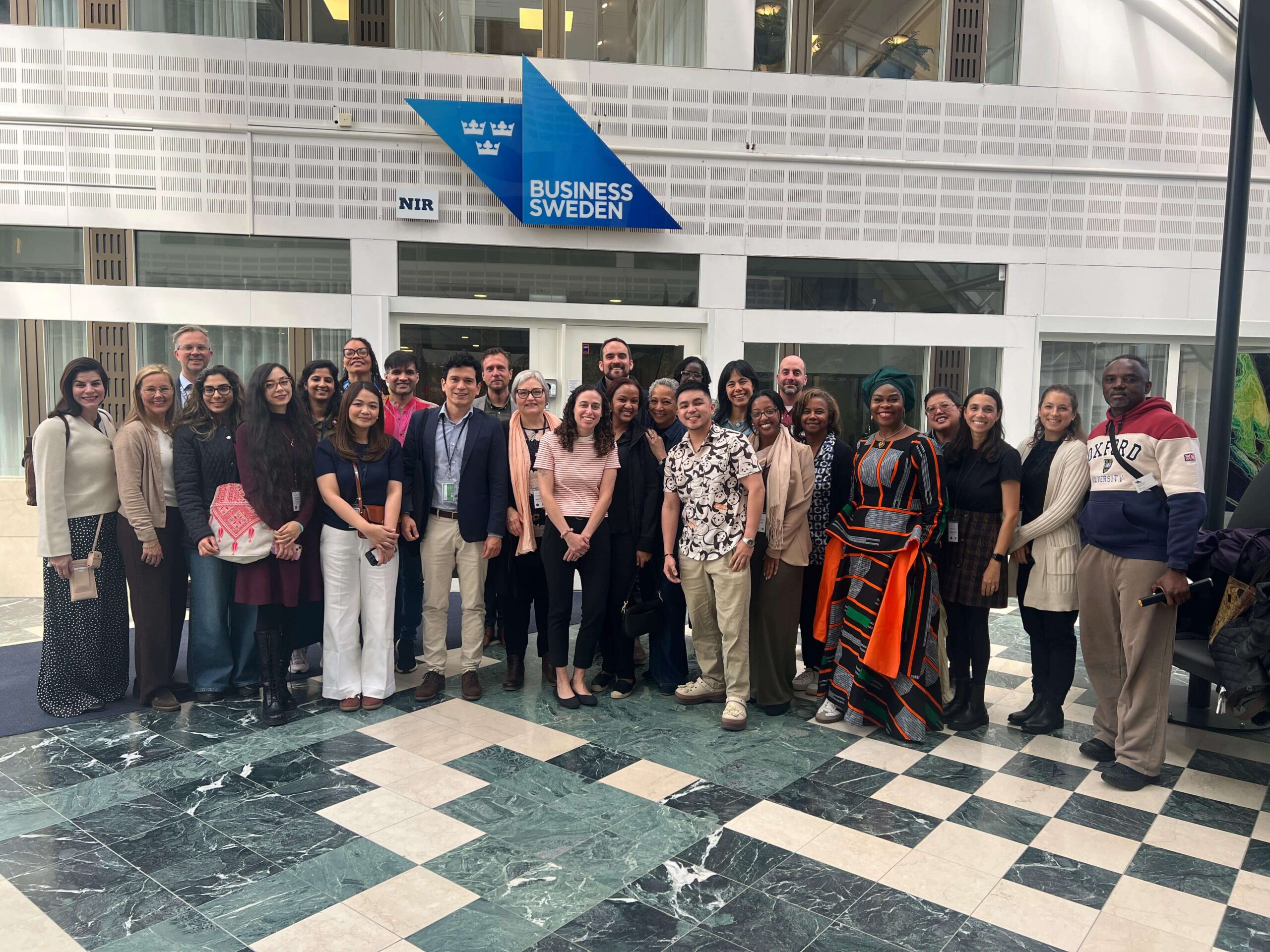
Group of diverse people in front of a Business Sweden sign.

We hosted our third Thematic Convening in Sweden, bringing Senior Fellows together to explore sustainability, innovation, and collaboration. Through site visits and dialogue with local leaders, fellows examined Nordic approaches to gender equity, refugee and migrant health, universal healthcare, climate innovation, and community development, while reflecting on how these lessons could inform their work.

June
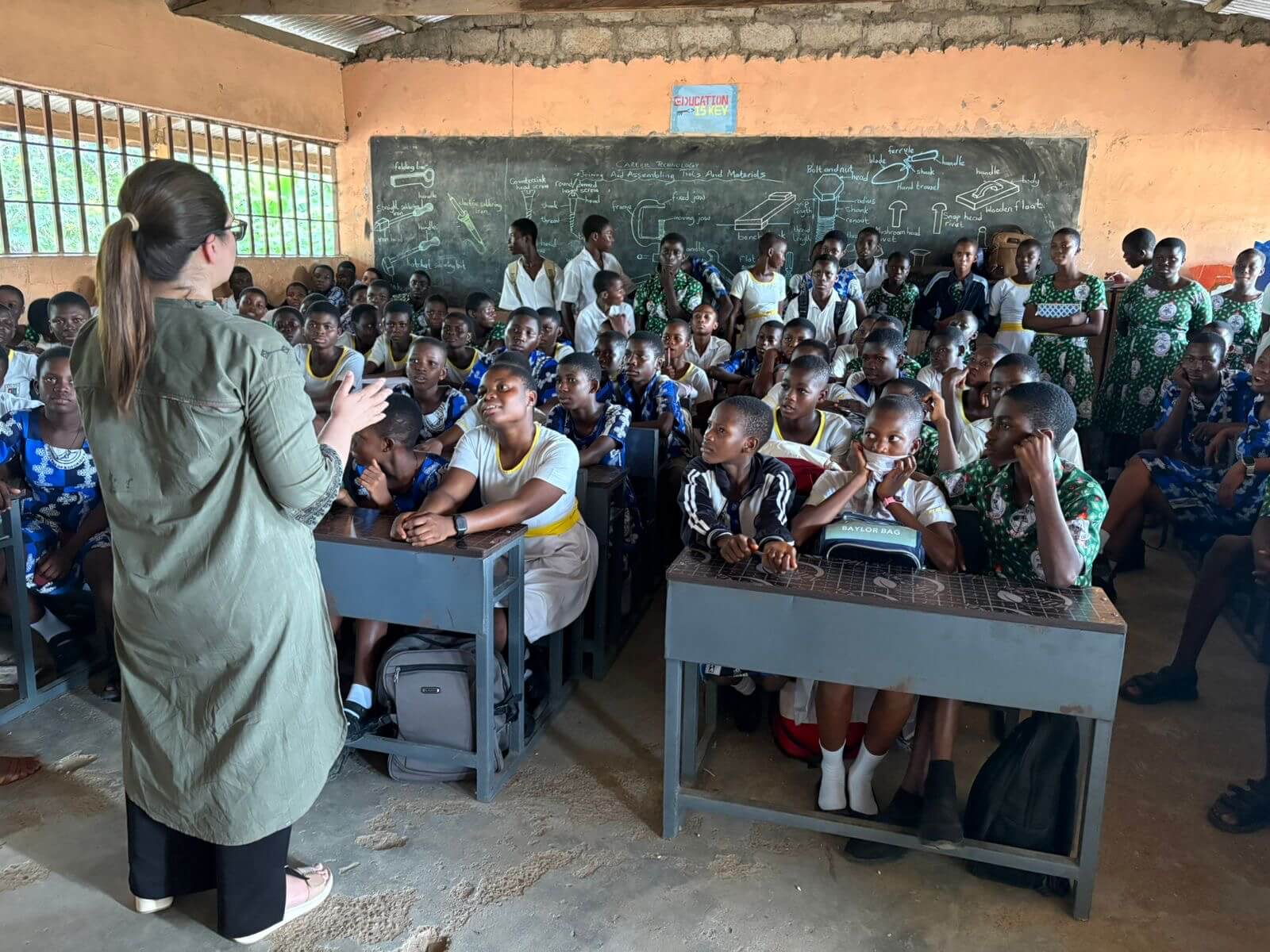
A presenter stands at the front of a crowded classroom addressing dozens of students seated at wooden desks.

The 2026 Atlantic Fellows for Health Equity cohort traveled to Ghana for their Mid Year Convening, the first time we have visited Ghana as a program. From engaging with local health leaders and visiting community health centers to exploring Ghana's history and witnessing community-driven solutions in action, fellows gained new perspectives on what it takes to advance health equity in different contexts.

How to Get Involved

pie chart icon

Help Us Grow

Learn More
page icon

Become a Fellow

Learn More
handshake icon

Partner With Us

Learn More
I Accept

This site uses cookies to offer you a better browsing experience. If you continue using our website, we'll assume that you are happy to receive all cookies on this website and you agree to our Privacy Policy .