X

About Photovoice

Photovoice Exhibition Feature 1
Photovoice Exhibition Feature 2

Photovoice is a participatory research method that combines photography and storytelling to help people document their experiences, amplify community voices and inspire dialogue and action.

At AFHE, we work to advance health equity with communities, but the voices and experiences of the people closest to this work can too often be overlooked. Photovoice creates an opportunity to see health and health equity through their eyes, making space for the people who know these challenges firsthand to share what they see, experience and are working to change.

Through photography and storytelling, AFHE Senior Fellows and community members documented the health inequities affecting their communities and the work underway to create meaningful change. Each image offers a window into a lived experience and a perspective on the challenges communities face, as well as the leadership, resilience and hope that drive progress.

Note: To uphold research ethics and safeguard participant privacy, all contributor names and personal identifiers have been removed.

Equipping Community Health Workers in the DRC

The photos shown here were taken by an AFHE Senior Fellow, two healthcare workers and one community health worker who are providing care to rural villagers in the Democratic Republic of Congo. Many villagers in this region, which has been affected by multiple conflicts for three decades, experience entrenched poverty, chronic malnutrition and widespread trauma. Healthcare facilities are under-resourced, and the health system is fee-for-service, resulting in limited health access for the poor and high rates of preventable illness and deaths. Villagers must navigate poor infrastructure, unreliable transportation and long distances to receive care.
Bridging Distance to Save Mothers

Bridging Distance to Save Mothers

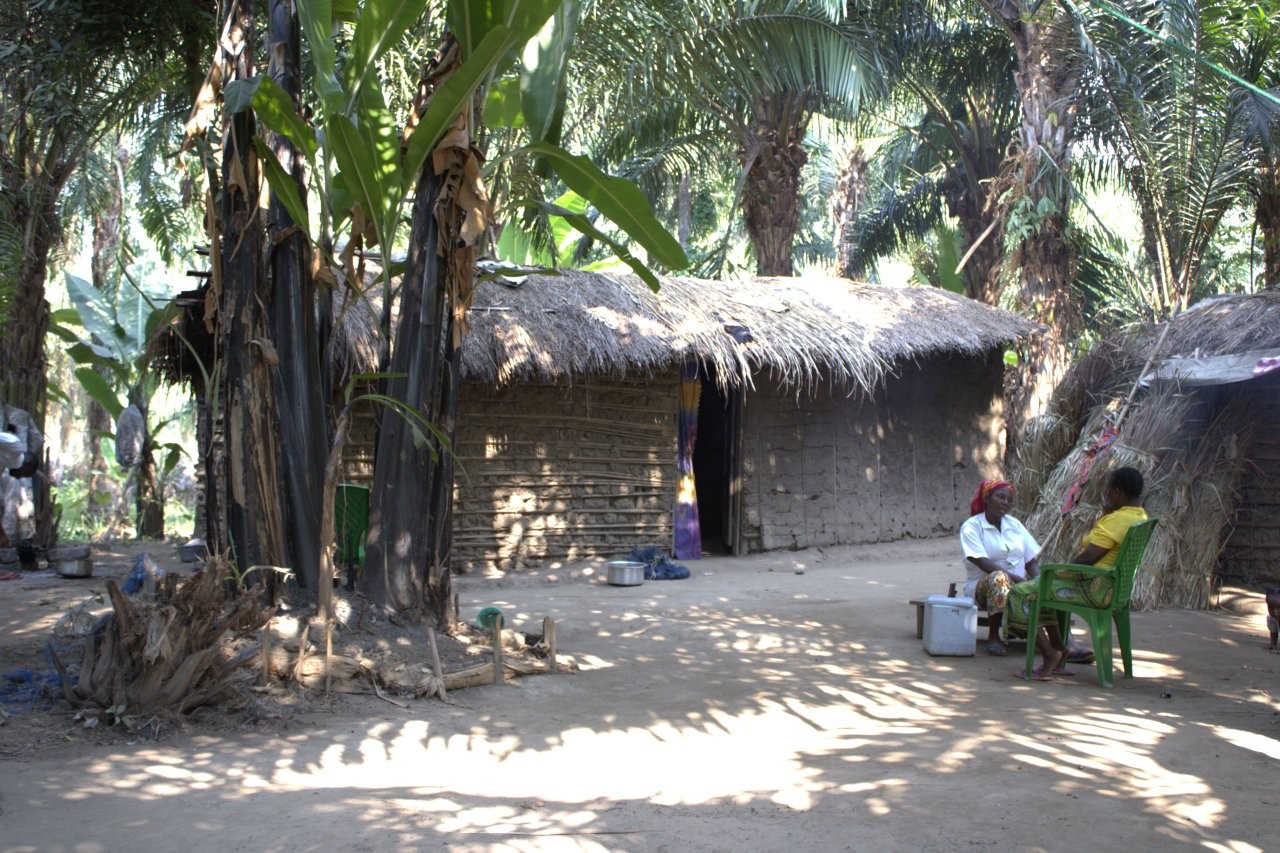
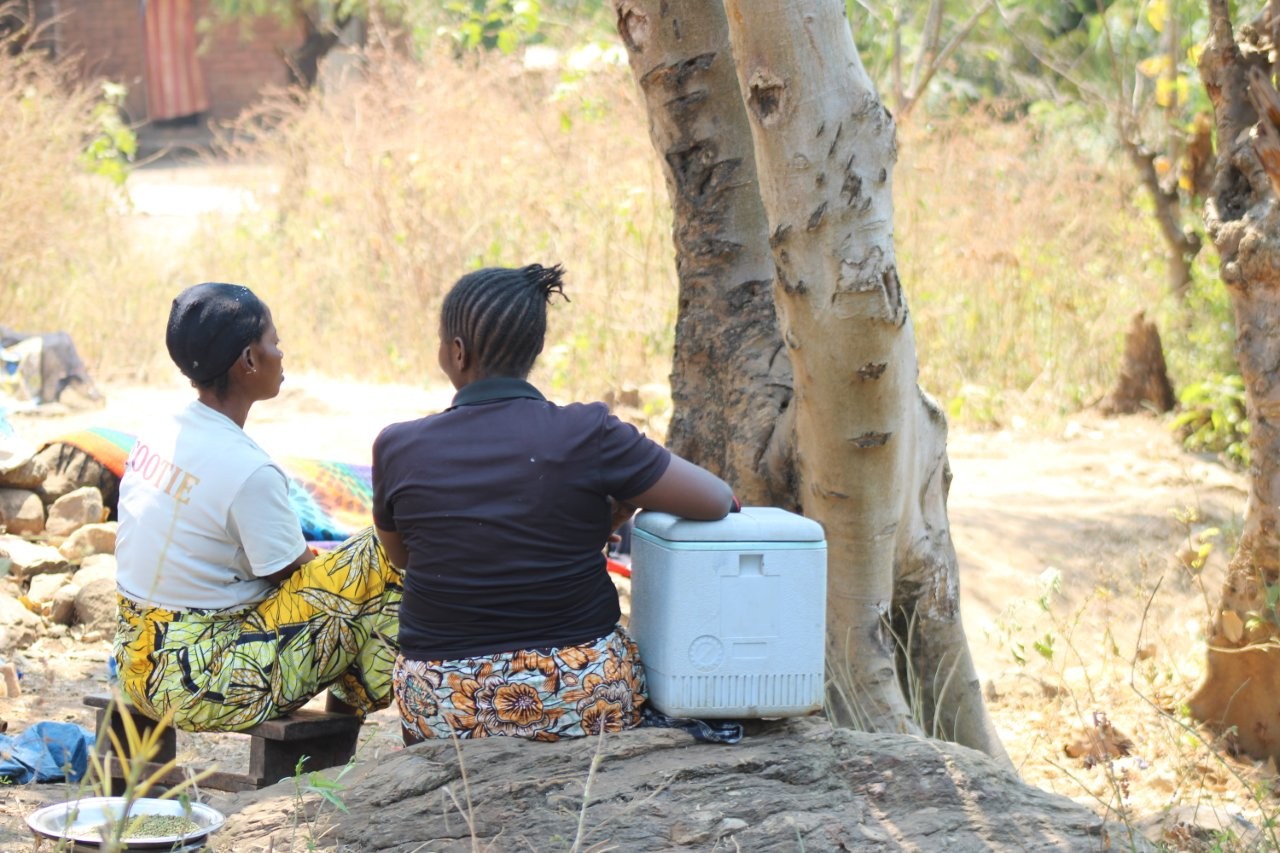
A community health worker assesses a high‑risk pregnant woman in a rural village, where economic hardship and limited technology make safe pregnancy far more difficult than it should be. By identifying danger signs early, providing essential education, and guiding women to the health facility on time, CHWs help prevent maternal deaths in places where distance and poverty often stand between a woman and the care she needs. No one’s geographic location should determine the quality of health care they receive, yet for many in rural villages, it still does.

Bringing Care to Those Left Out by Cost

Bringing Care to Those Left Out by Cost

This image shows a community health worker visiting a sick woman who cannot afford the care she needs in the country's health system. In a fee‑for‑service system, poverty feels like a penalty. Health equity means ensuring that access to care never depends on someone’s economic status.

Home Visits That Break Barriers to Care

Home Visits That Break Barriers to Care

A community health worker brings care directly to a woman who would otherwise delay seeking help because she cannot afford facility fees. As chronic diseases rise alongside persistent infectious threats, many households wait until conditions worsen, often out of limited awareness, which is itself a barrier to equity. Reaching them at home affirms a simple truth: everyone has the right to care, regardless of what they know or don’t know.

Sharing Skills That Save Mothers

Sharing Skills That Save Mothers

A nurse mentor delivers refresher training on managing obstetric emergencies. In a setting where technology is limited and essential equipment is often unavailable; the quality of care suffers. Sharing practical knowledge becomes one of the strongest tools we have to improve outcomes. Health equity begins with ensuring that every provider, no matter where they work, has access to the information needed to meet their patients’ needs.

Bringing Care Home When Families Can’t Reach It

Bringing Care Home When Families Can’t Reach It

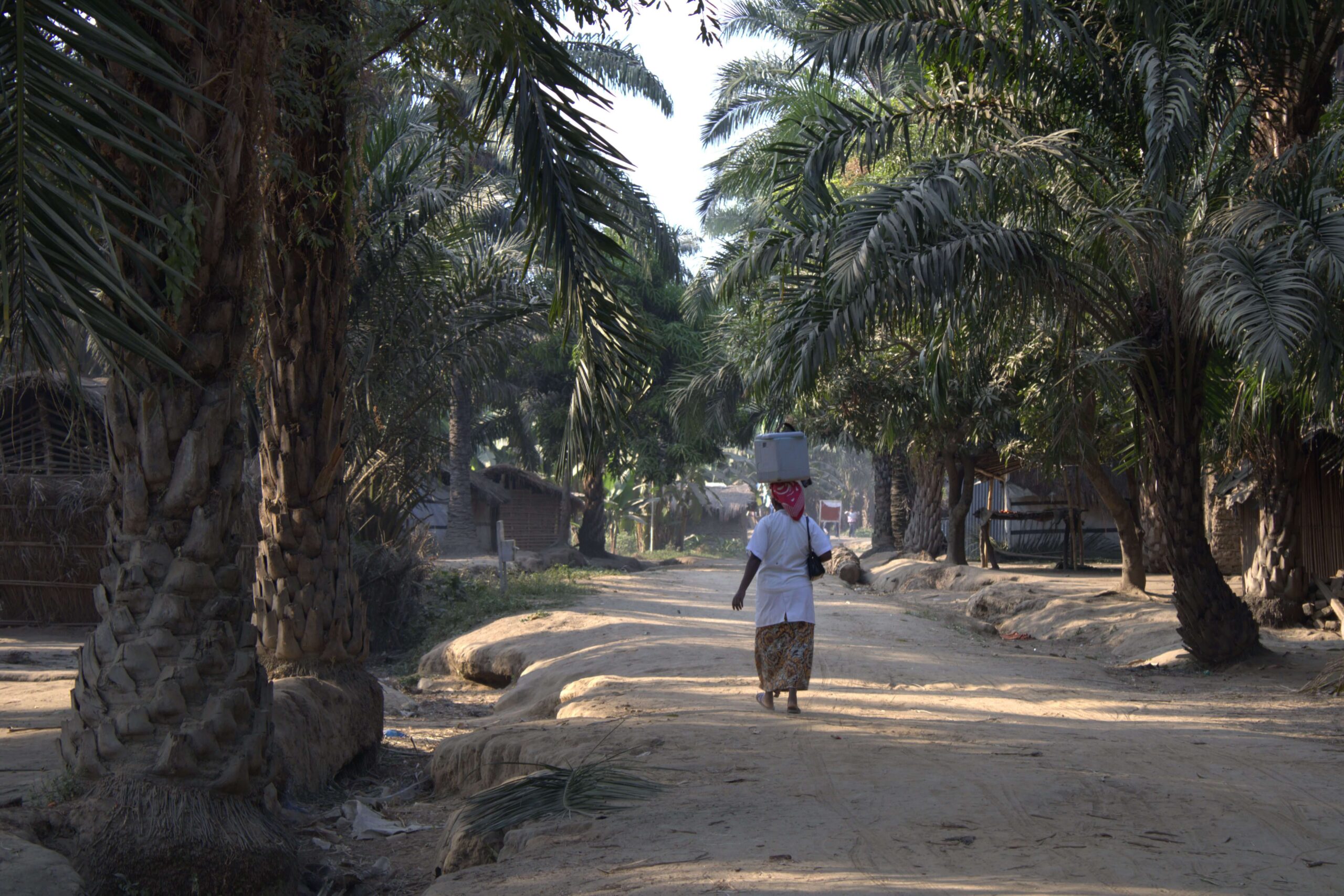
This image shows a mobile nurse bringing care to the home of a community member who cannot afford to reach the health facility. Ongoing unrest has deepened the economic crisis, leaving many families unable to access even basic services. For us, health should never be reserved for those with financial means because it is a right for every human being.

Ensuring Care Reaches Those Forced to Flee

Ensuring Care Reaches Those Forced to Flee

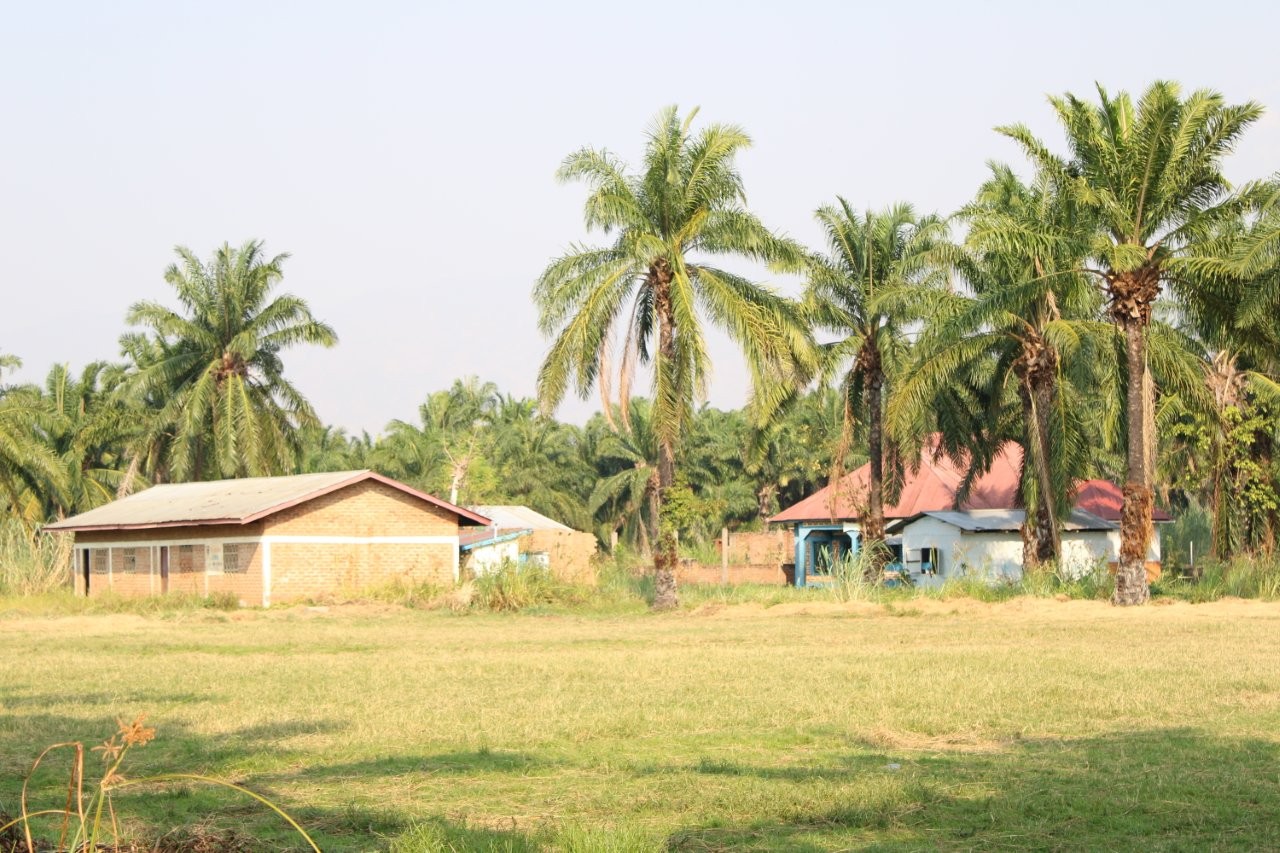
A home abandoned after unrest forced the family to flee to what they hoped was a safer place. Like many who arrive in this rural village, they come with urgent health needs, especially women and children. Community health workers step in to assess, treat, and guide them to the nearest facility, ensuring care reaches those displaced and most vulnerable.

Care That Follows Families Through Crisis

Care That Follows Families Through Crisis

This image shows a home abandoned after flooding, with families forced to relocate and face new challenges, especially around food and nutrition. Community health workers step in to assess, treat, and guide displaced households to the nearest health facility and improve immunization coverage to children. Health equity means removing one barrier at a time so everyone can access care, no matter their circumstances.

When Flooding Takes the Clinic, Care Still Finds the Community

When Flooding Takes the Clinic, Care Still Finds the Community

A health facility abandoned after severe flooding, leaving the community with almost no access to care. In this reality, mobile nurses and community health workers have become the most reliable alternative for families in need. Health equity means ensuring access to care for everyone, regardless of the conditions of their environment.

Empowering Pregnant Women Through Information

Empowering Pregnant Women Through Information

A community health worker teaches pregnant women about antenatal visits, danger signs, nutrition, and when to seek care. Clear, timely information empowers families to make the right health decisions, the health equity is about the right information about one’s health.

Delivering Essential Care Beyond Facility Walls

Delivering Essential Care Beyond Facility Walls

A mobile nurse provides care to a pregnant woman at home. For many households in rural villages, mobile nurses are the ones who deliver essential care and the guidance needed to make timely, informed decisions. It’s a vital step toward ensuring that equitable health services reach everyone.

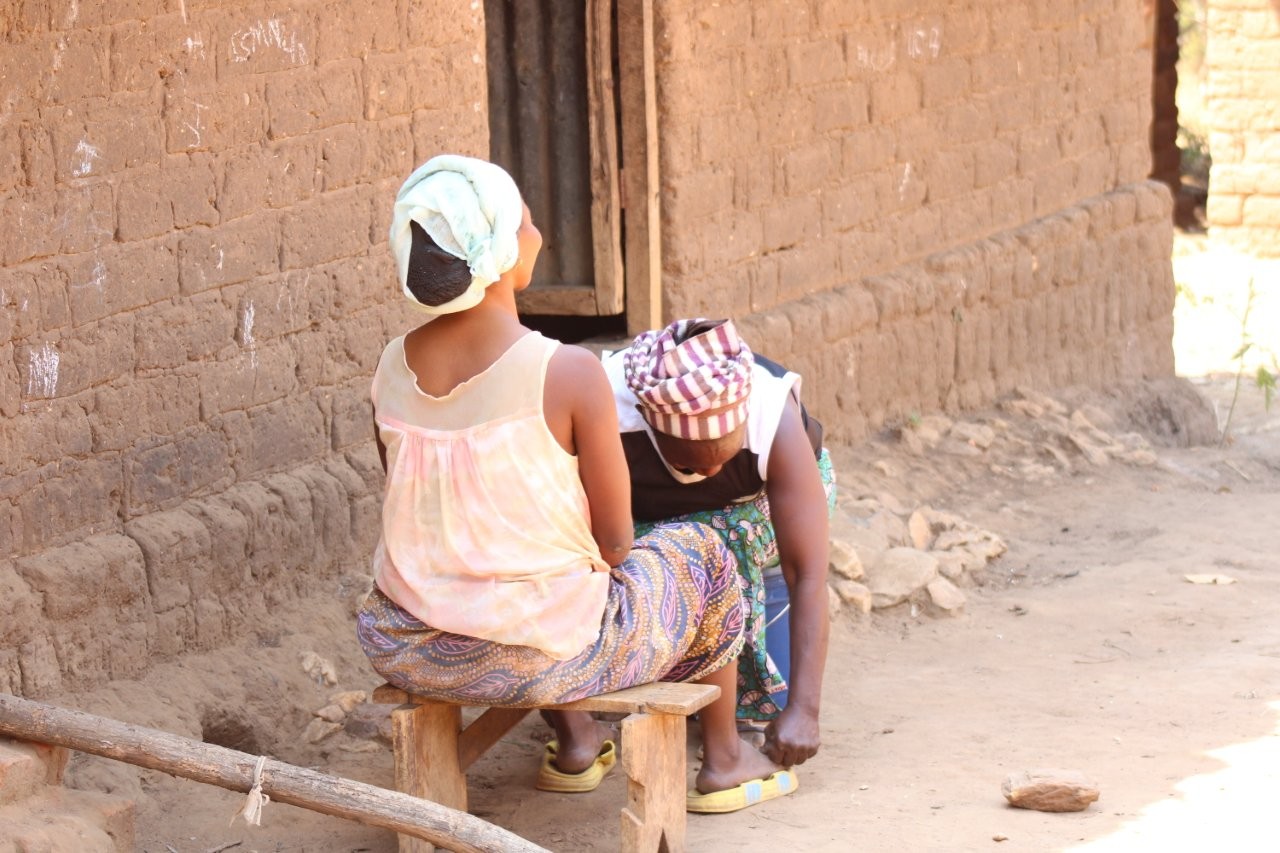
Guiding Women to Safe Pregnancy

Guiding Women to Safe Pregnancy

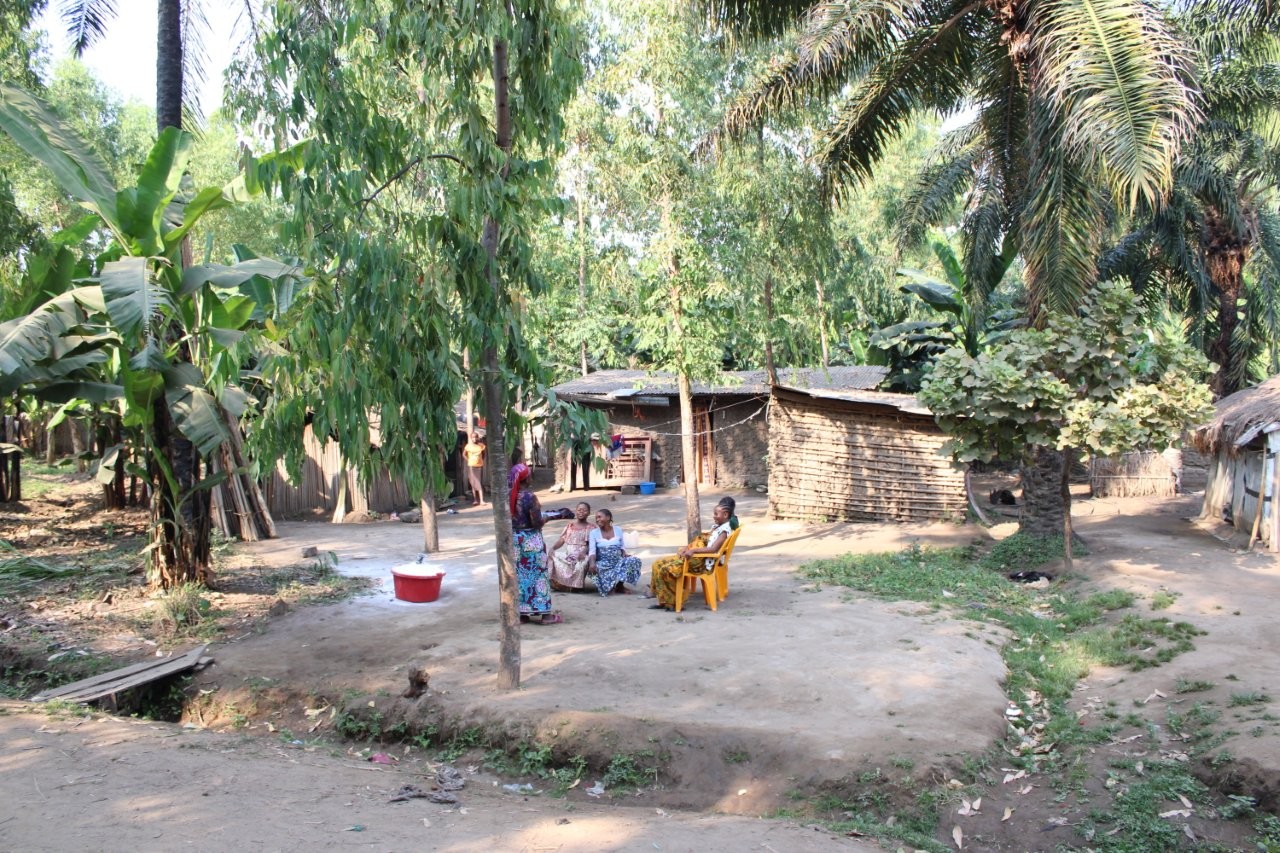
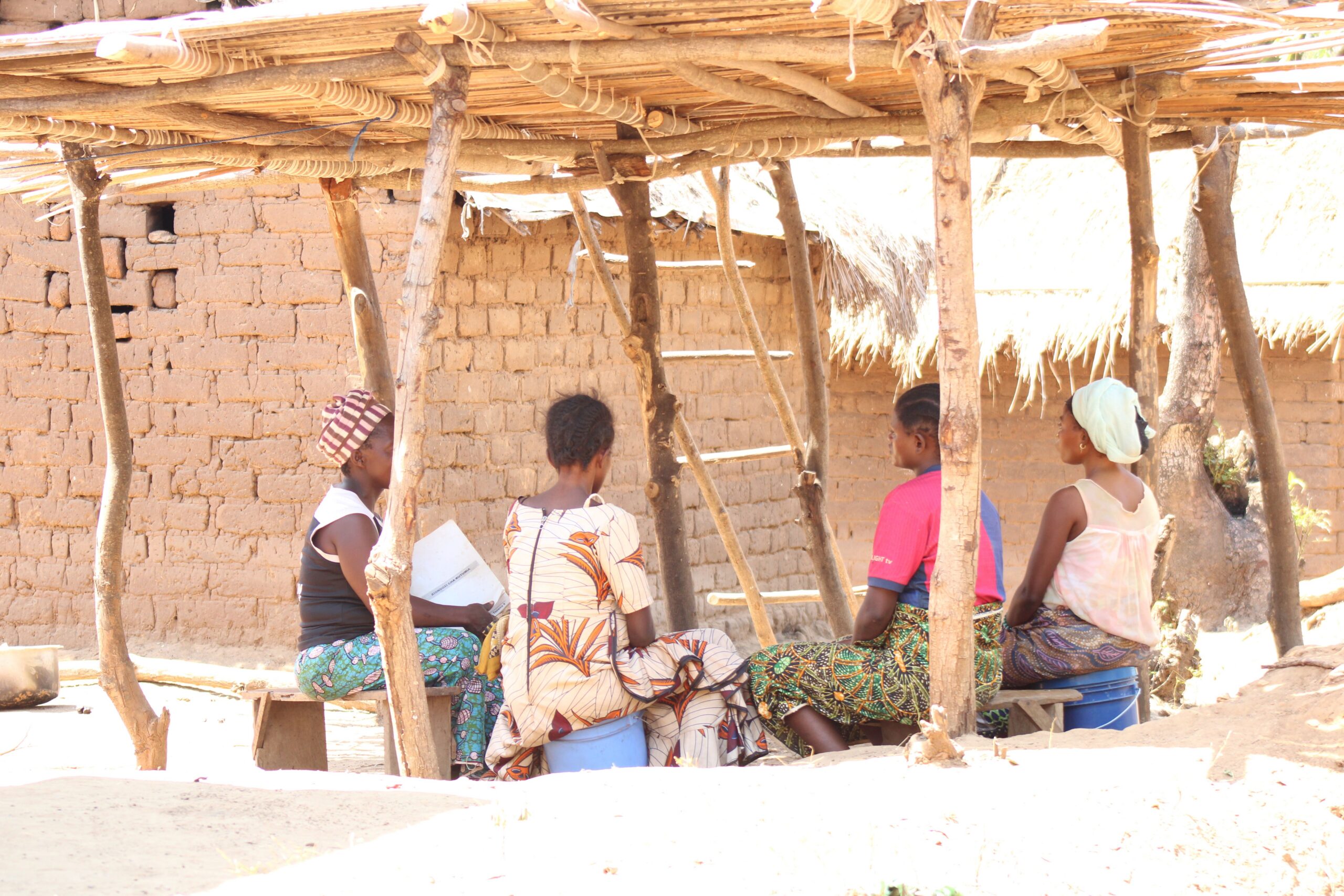
A community health worker sits with pregnant women in the local village, guiding them through danger signs, antenatal care schedules, nutrition, and hygiene for a safe pregnancy. In a place where education often determines when families seek care, women with limited schooling face greater risks simply because they lack access to essential knowledge. Health equity means ensuring that every woman, regardless of her education level, receives the same chance to understand, decide, and access care at the right time.

A Motorbike Becomes an Ambulance

A Motorbike Becomes an Ambulance

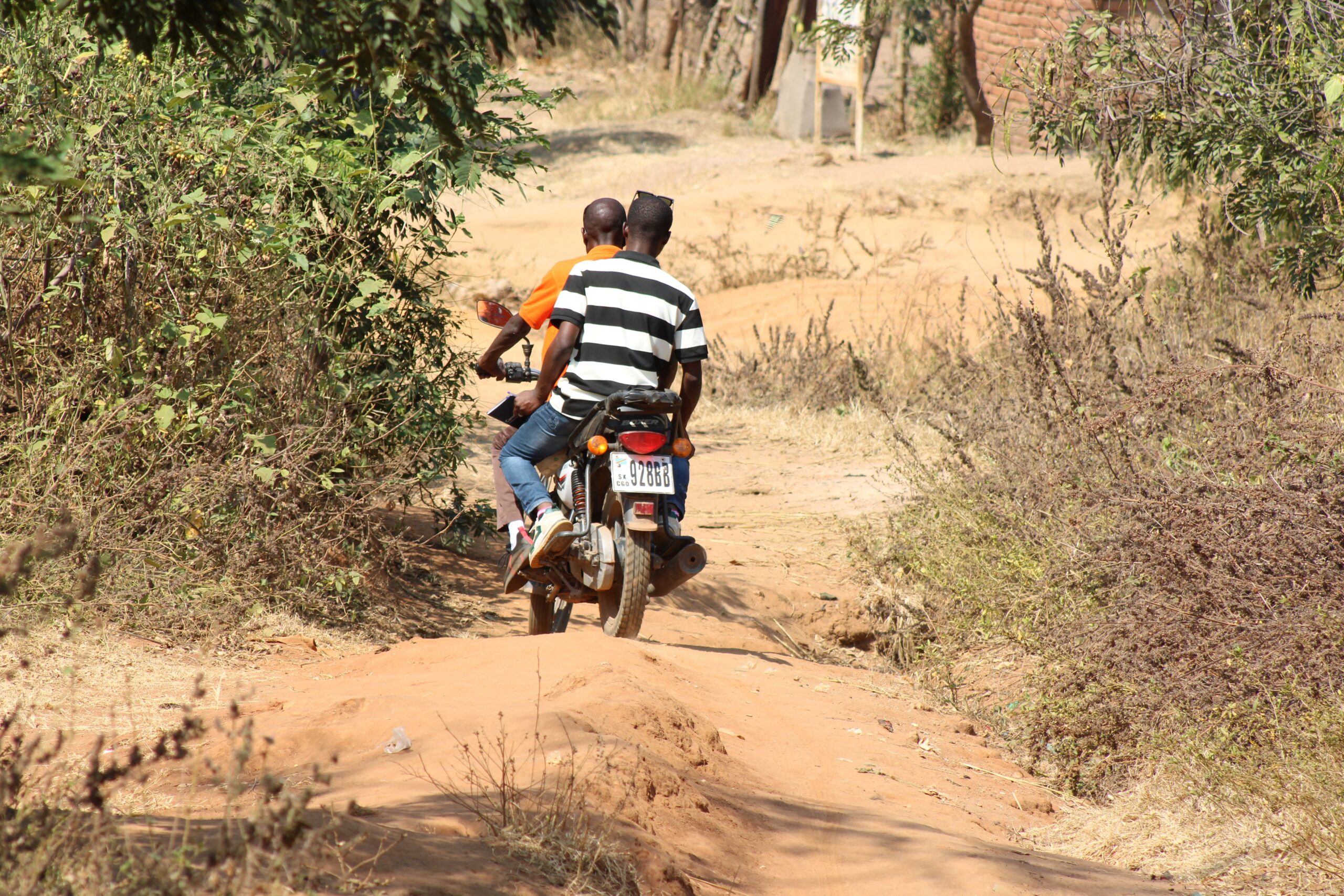
Health workers on a motorbike on their way to stabilize a sick community member and bring them safely to the health facility. For many families in the village, a motorbike is their only ambulance. When transport is organized quickly and safely, it saves lives in critical moments. Equity means doing everything possible to protect life with the limited means available.

When Mobile Care Becomes the Lifeline

When Mobile Care Becomes the Lifeline

A mobile nurse brings care directly to a household that cannot afford to reach the health facility. For many families in the village, community health workers and mobile nurses are their only pathways to care. Health equity means ensuring everyone has access to essential health services and that no one is left behind.

Returning Home, Still in Need of Care

Returning Home, Still in Need of Care

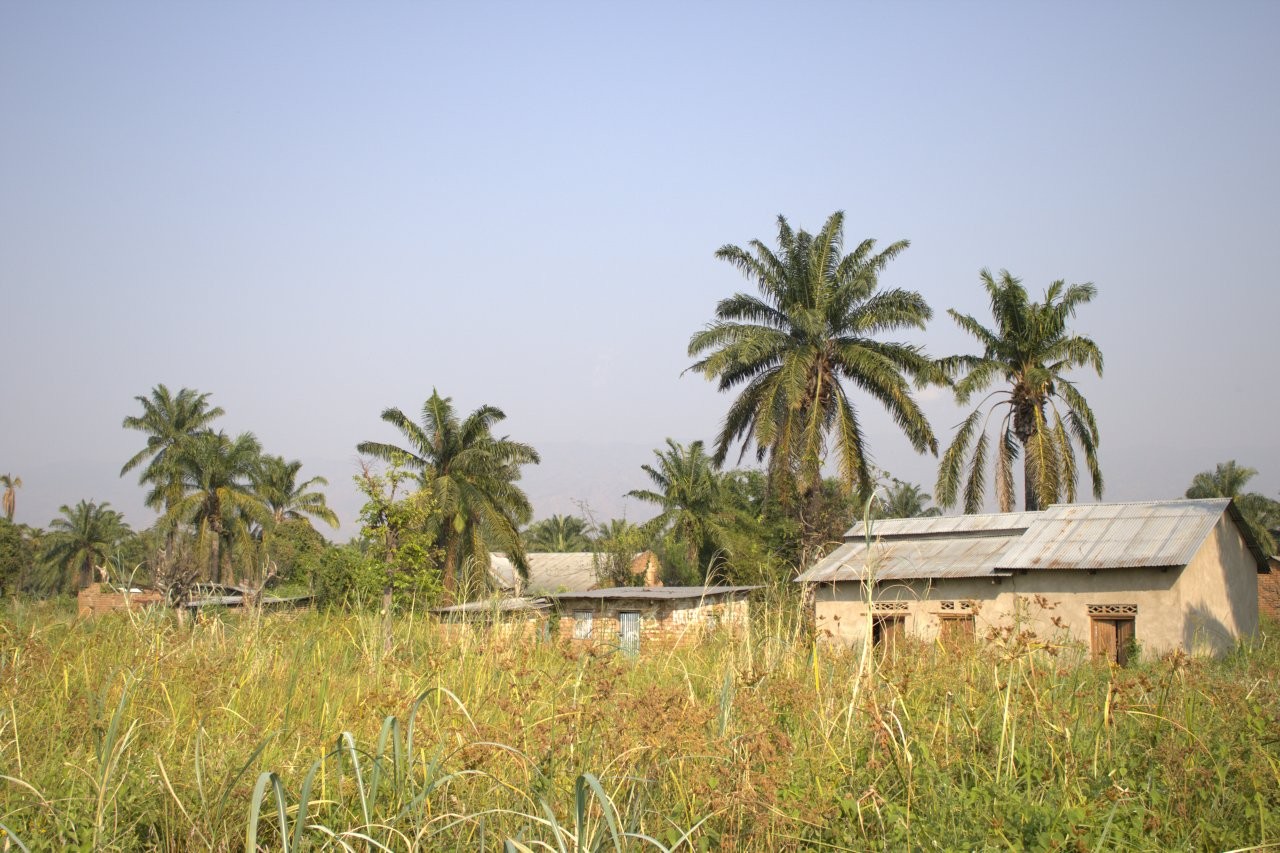
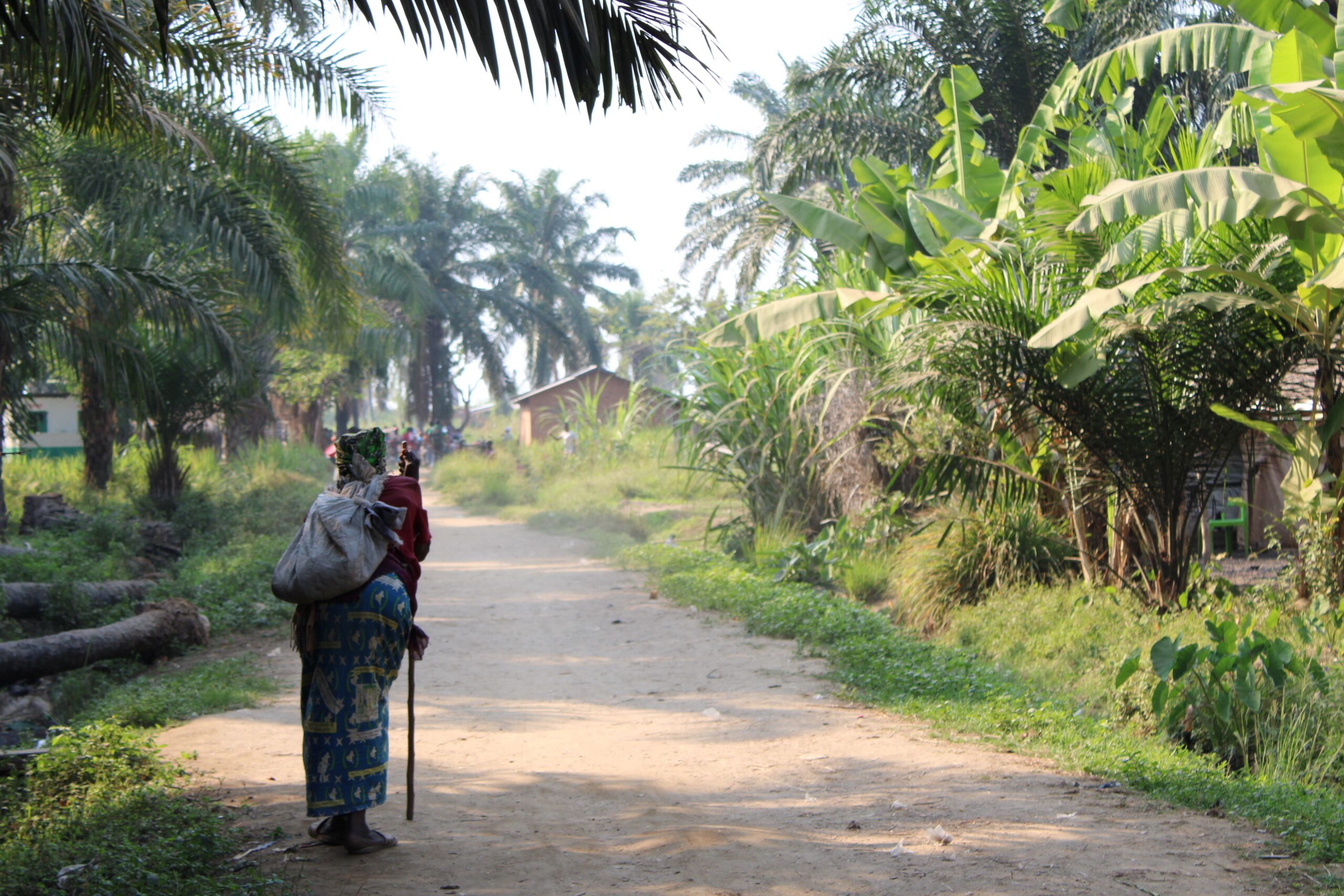
An elderly woman returns home after months of displacement caused by unrest that claimed the lives of some of her family members. She came back carrying multiple chronic conditions that worsened without access to care, in a place with no bank, no insurance, and no means to sustain herself as she once did through farming. Life feels stalled, yet what she needs most is simply to stay healthy. She continues to receive assessments and care from community health workers, reminding us that true health equity requires systemic change so every person, regardless of age, has access to care.

Cooking Through Crisis, Still Deserving Care

Cooking Through Crisis, Still Deserving Care

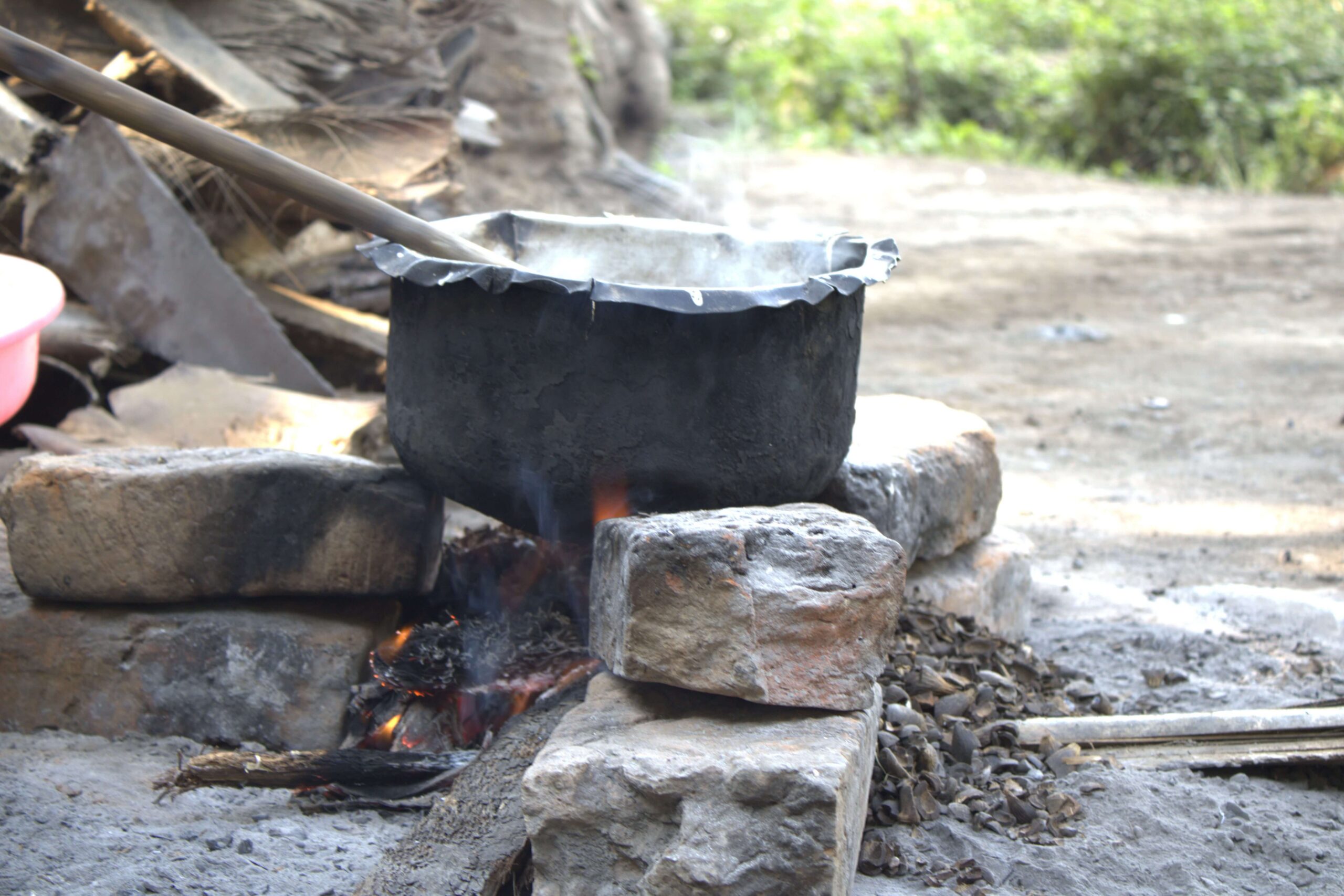
This image shows an old cooking pot set on three stones outdoors, where palm nut shells replace firewood, an everyday scene for displaced families living in deep hardship. When finding food is already a struggle, seeking health care becomes an even greater burden. Health equity means ensuring care is accessible to everyone, especially those who are displaced and suffer more.

Bringing Healthcare to Remote India

The following photos and captions were provided by an AFHE Senior Fellow and by frontline health workers in India called Accredited Social Health Activists (ASHAs) that the Senior Fellow supports. ASHAs are women who are selected by their own community to serve as the first connection point to India’s health system. Equipped with little more than a drug kit and their own resourcefulness, ASHAs are expected to provide public health services to those who struggle to access care (primarily, women and children). They offer counseling on contraception, infection prevention, and aspects of healthy living; facilitate immunizations, ante- and post-natal checkups, and delivery of supplemental nutrition; and ensure their villages have important supplies (e.g., iron tablets, chloroquine, condoms, etc.). ASHAs are health activists who build awareness around health and its social determinants, and they mobilize their communities toward better planning, utilization, and accountability of local health services.
A Walk to the Village After the Rain to Map Adolescent Girls

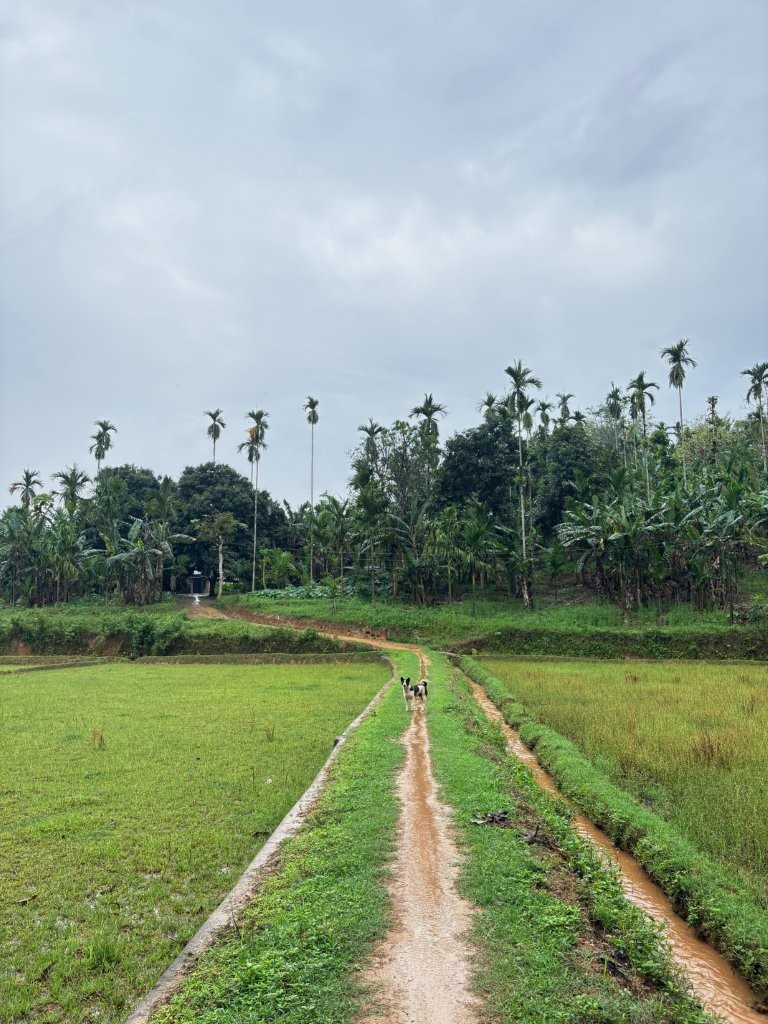
A Walk to the Village After the Rain to Map Adolescent Girls

No public transport, muddy roads, and a long walk after a heavy downpour, but community engagement continues. Accompanied by the Anganwadi Worker and the Community Gender Health Activist, I walked to the village representative's residence to discuss mapping adolescent girls in the village to ensure no one is left out of health and nutrition services.

The Familiar Road Families Travel to Reach Care

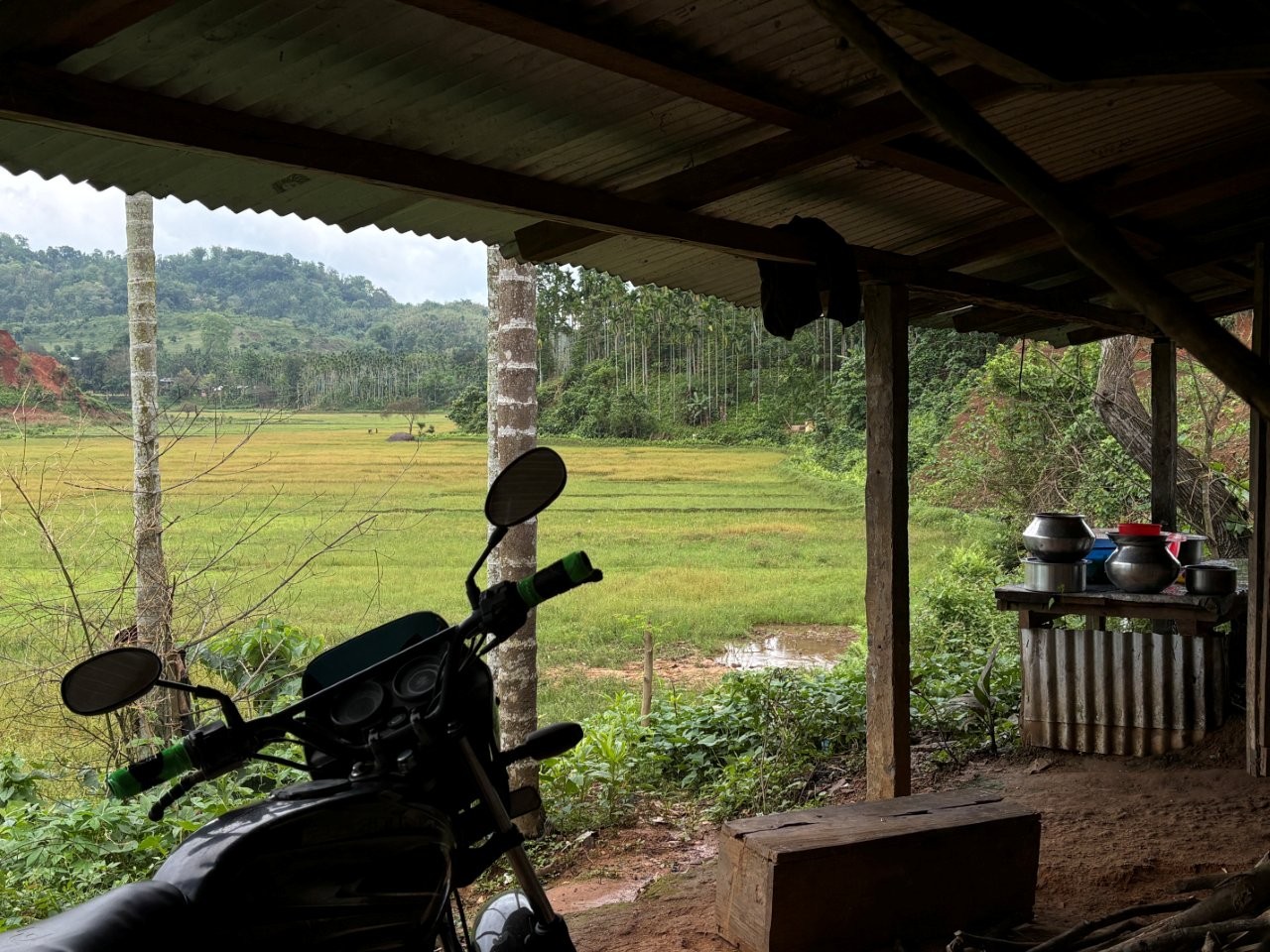
The Familiar Road Families Travel to Reach Care

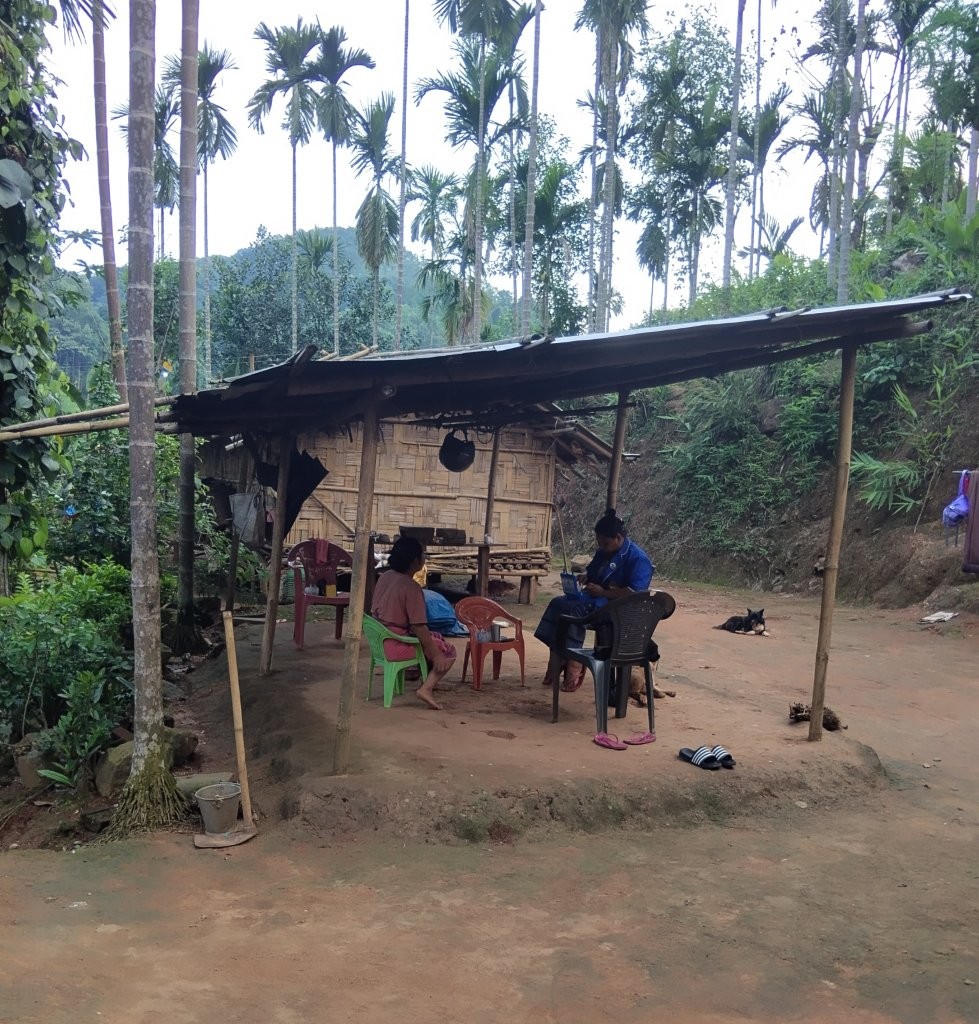
View from a roadside tea stall. Beyond the paddy fields and hills lies the reality of accessing healthcare in this region. For many families, reaching the nearest health facility means travelling long distances on foot or by private vehicle, often over difficult terrain and at significant cost.

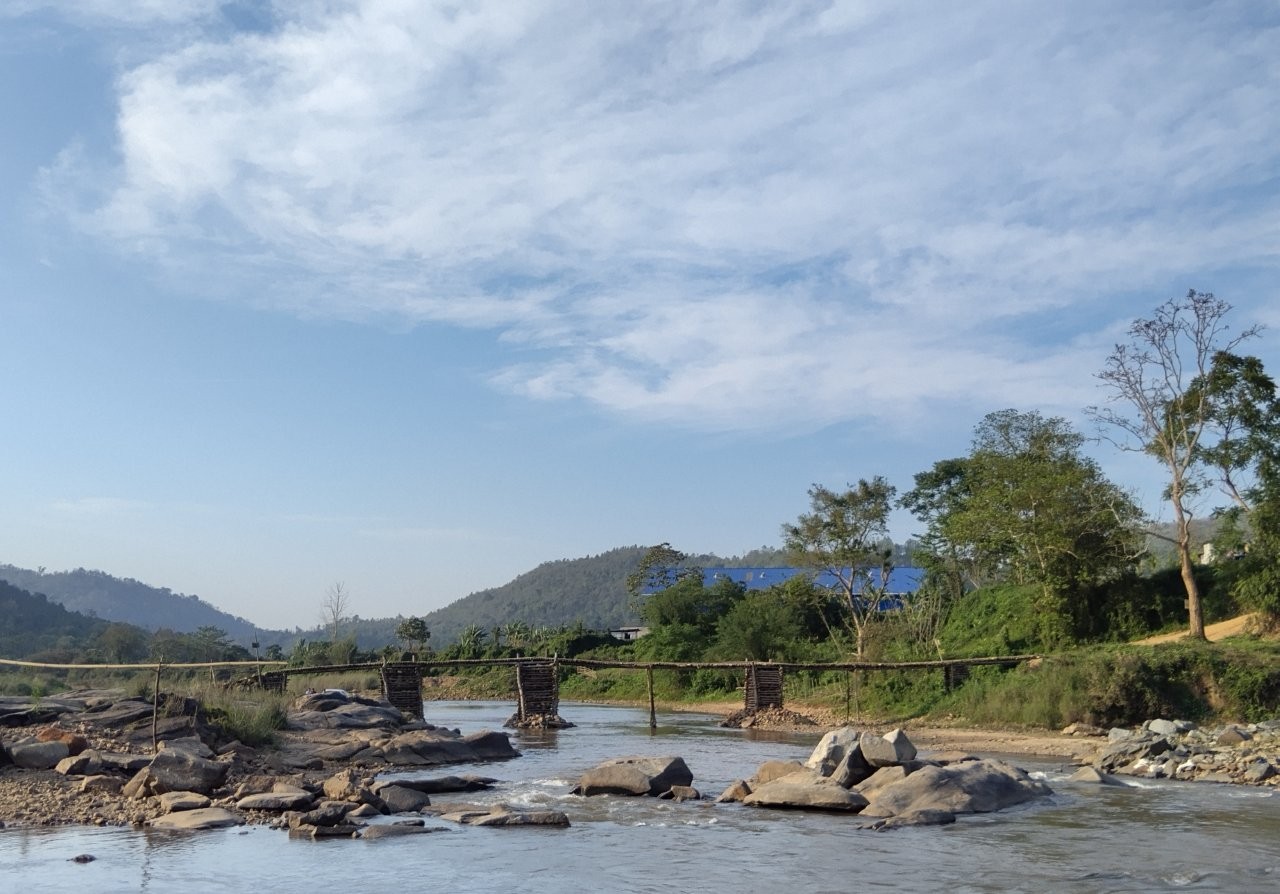
The Bridge that Every Health Emergency Case Must Cross

The Bridge that Every Health Emergency Case Must Cross

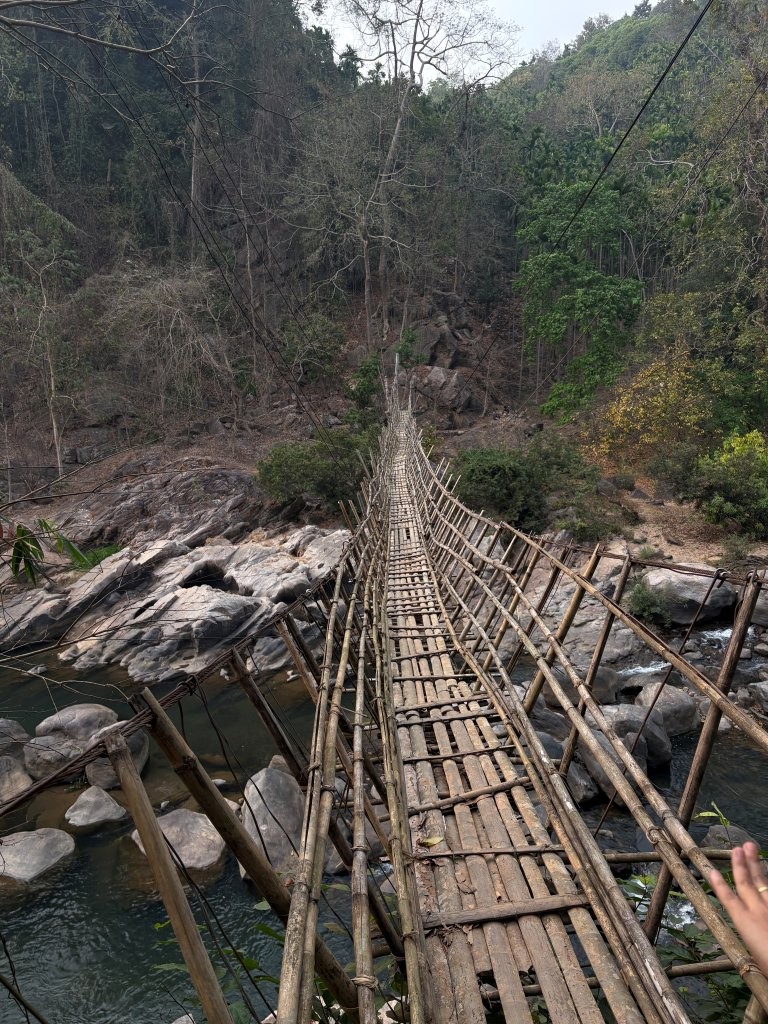
This bamboo bridge is a lifeline for villages located across the river. It serves as the main route to schools, markets and health facilities. Pregnant women attending antenatal check-ups, elderly residents seeking treatment, and families facing medical emergencies must cross this bridge regardless of weather conditions.

The Routine Route Health Workers Take, Rain or Shine

The Routine Route Health Workers Take, Rain or Shine

Crossing structures like this bamboo bridge is a routine path for both community members and frontline health workers to conduct home visits, mobilize communities, and support health programs. The journey becomes even more challenging during the monsoon season with frequent and heavy thunderstorms.

A Facility with no Mobile Network, Serving Ten Villages

A Facility with no Mobile Network, Serving Ten Villages

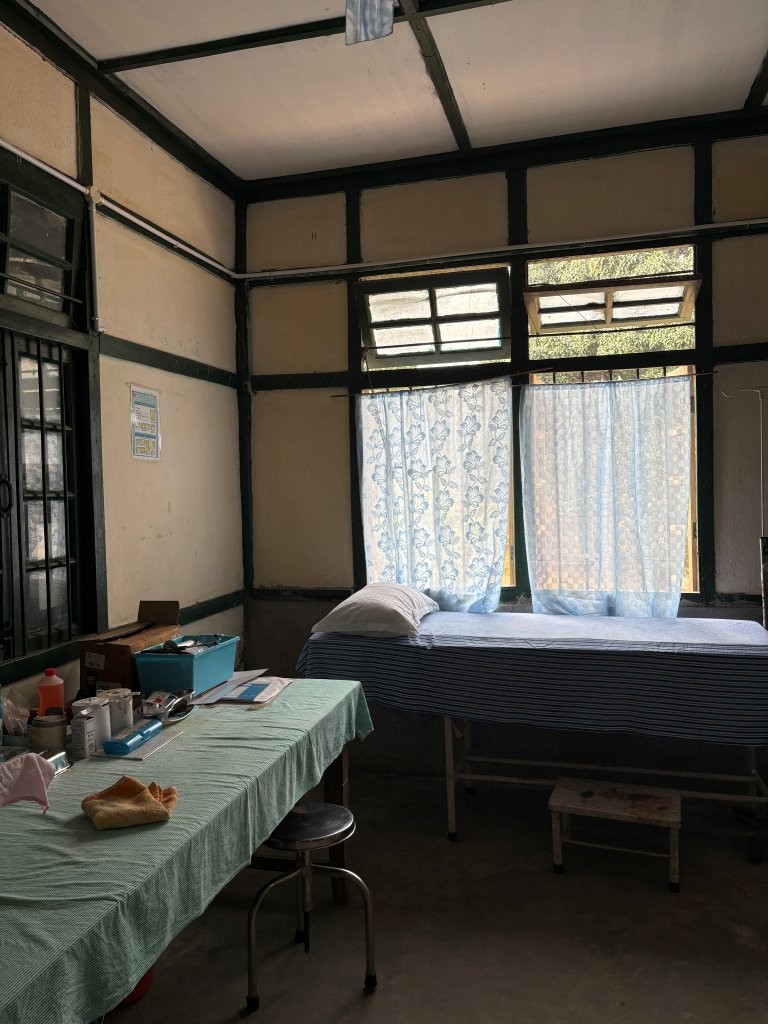
This photo shows an examination room in a rural health facility serving around ten surrounding villages. The facility has no mobile network connectivity, making communication and coordination amongst the health workers difficult. To inform communities about Village Health and Nutrition Days, immunization sessions, or any health campaigns, ASHA workers often travel from house to house on foot.

Checking-in on an Elderly Woman who is Often Left Alone

Checking-in on an Elderly Woman who is Often Left Alone

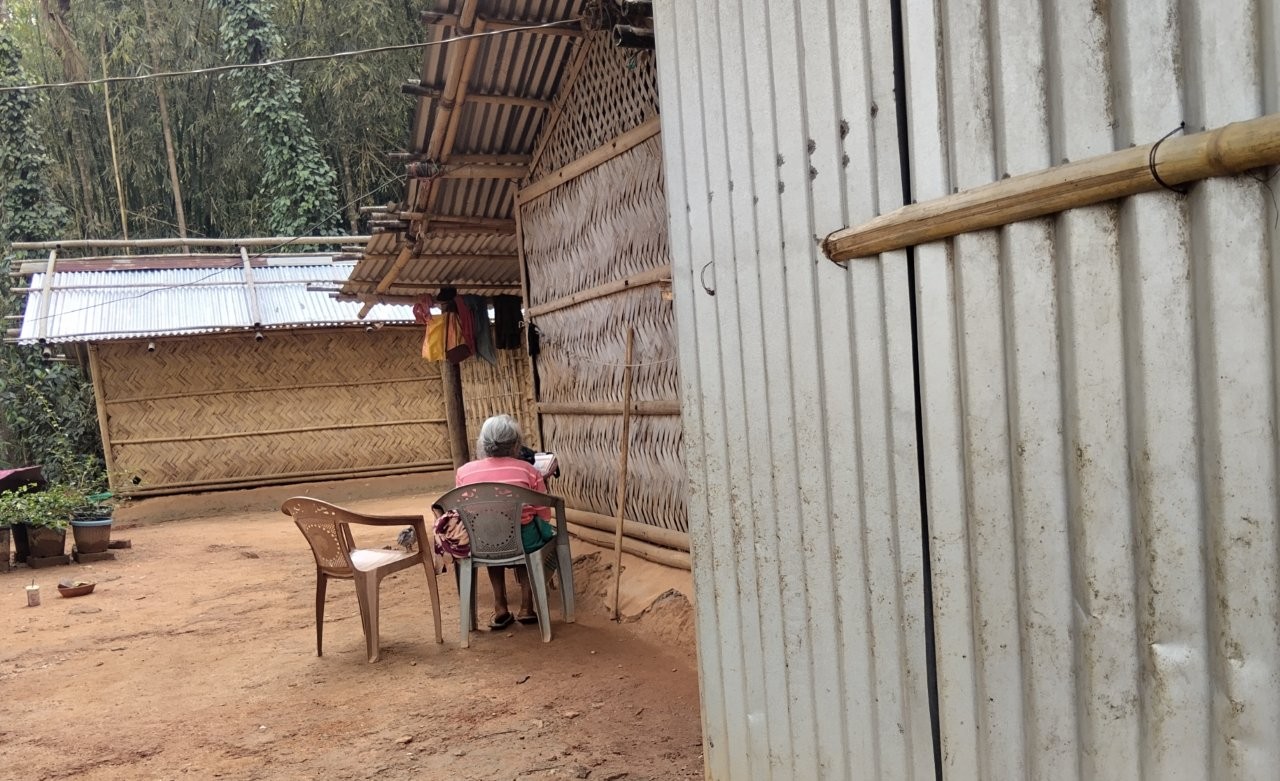
This is a photo of an elderly woman in her 80s who was bedridden for the past six months. Her daughters work in the fields during the day, and her grandchildren are at school, so she is often alone at home. I visited to check on her and ensure that she was taking her medicines regularly. At her age, travelling to the health facility is difficult because her daughters would have to carry her.

The River I Cross Every Few Weeks for Home Visits

The River I Cross Every Few Weeks for Home Visits

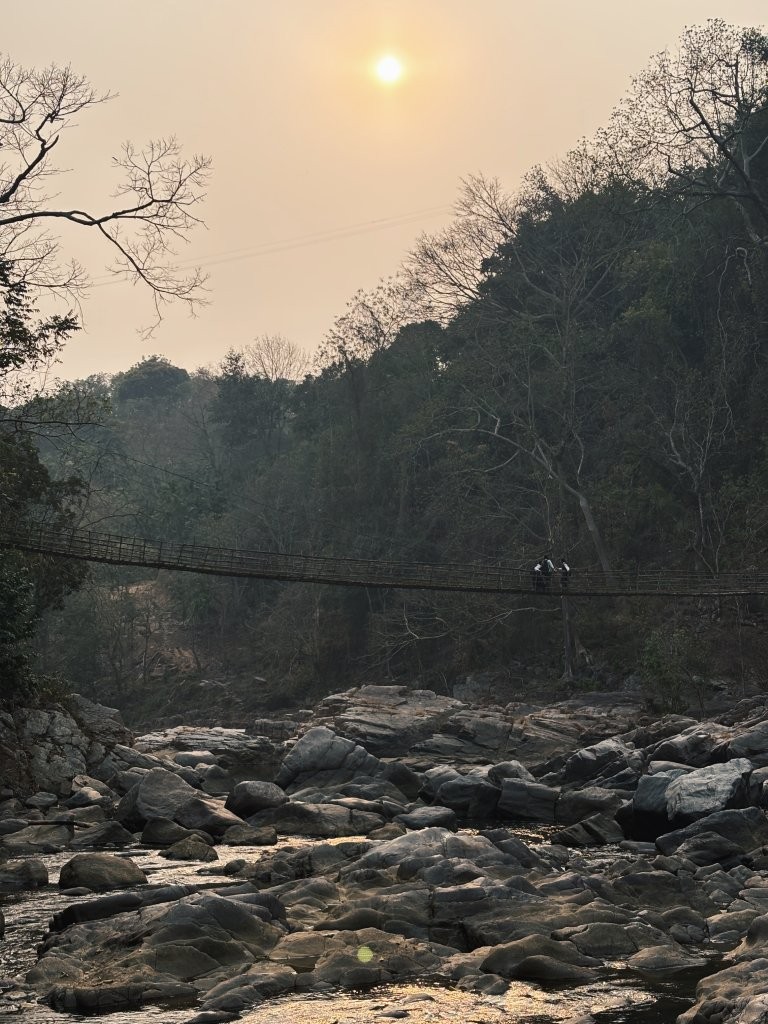
This is a view of the river that I cross every other day to reach a nearby village for home visits. I always find the scenery beautiful. Compared to other parts of my catchment area, the villages here are relatively easier to access because the terrain is mostly plain.

An Eight-Month Pregnant Woman Fishing with her Daughter

An Eight-Month Pregnant Woman Fishing with her Daughter

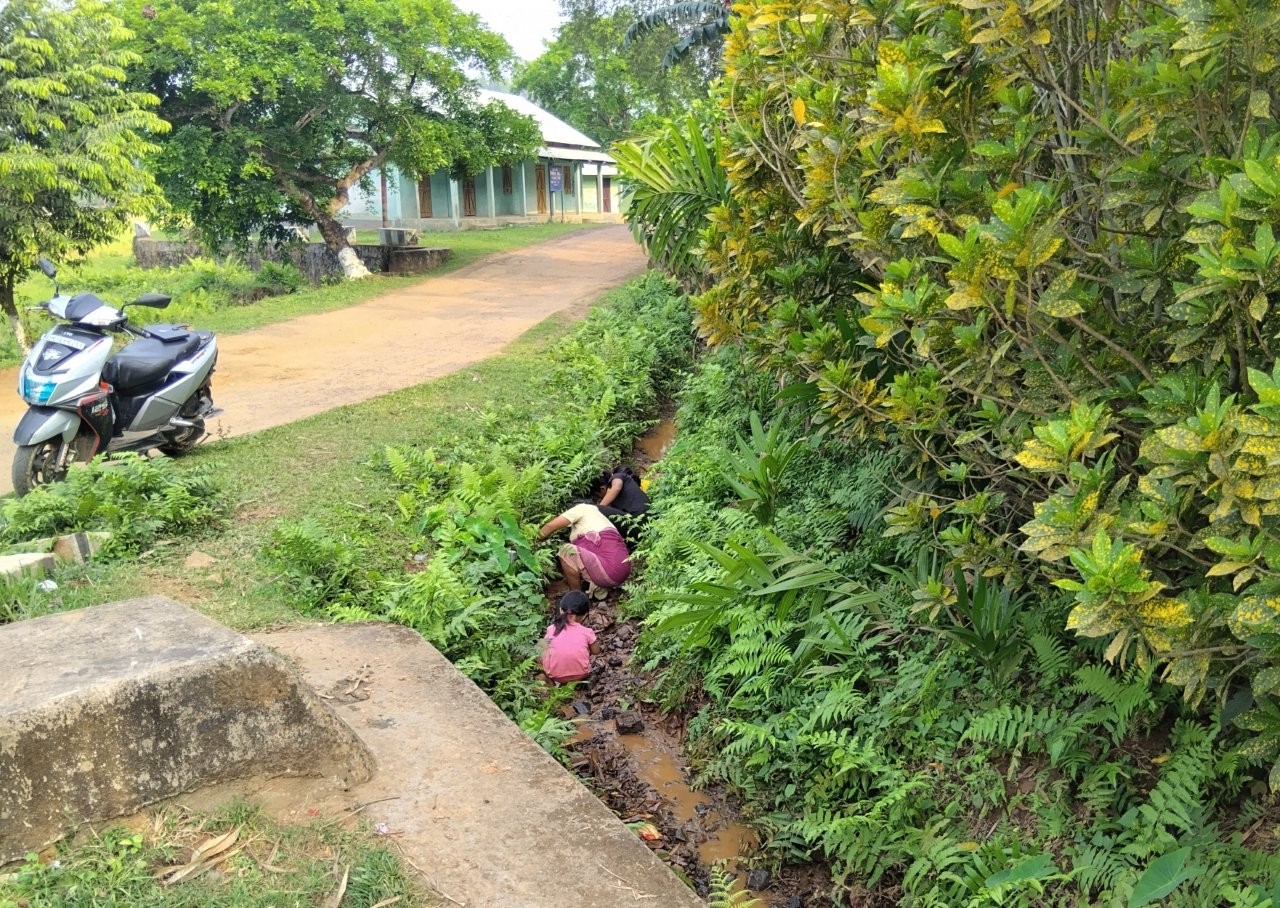
A woman in her eighth month of pregnancy fishes with her daughter in a drainage channel fed by a nearby stream. I took this picture because it shows everyday life in my village, where people continue their daily activities and livelihoods throughout pregnancy.

Getting Off my Scooty so my Colleague Could Ride Uphill

Getting Off my Scooty so my Colleague Could Ride Uphill

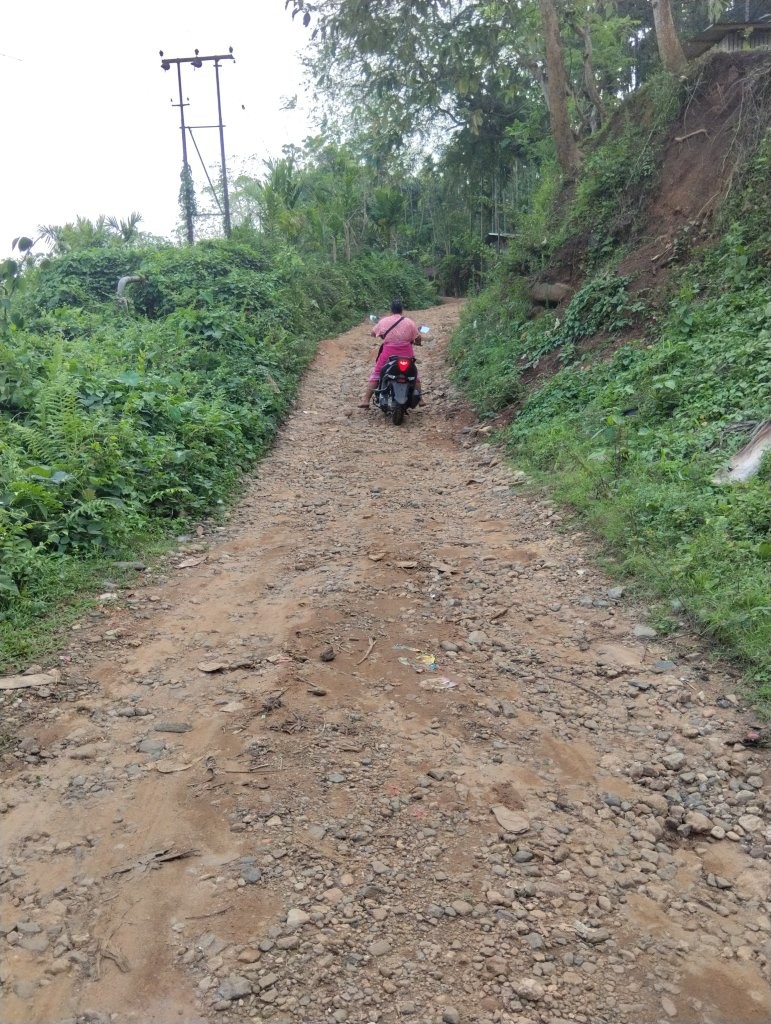
Whenever the terrain allows, I use my scooty to conduct home visits. Many of the houses I visit are not connected by proper roads, and this road is actually one of the better ones. In this photo, my colleague was struggling to ride uphill, so I got off and walked to reduce the weight and make the climb easier.

Too Tired to Walk Home, so I Hitched a Ride

Too Tired to Walk Home, so I Hitched a Ride

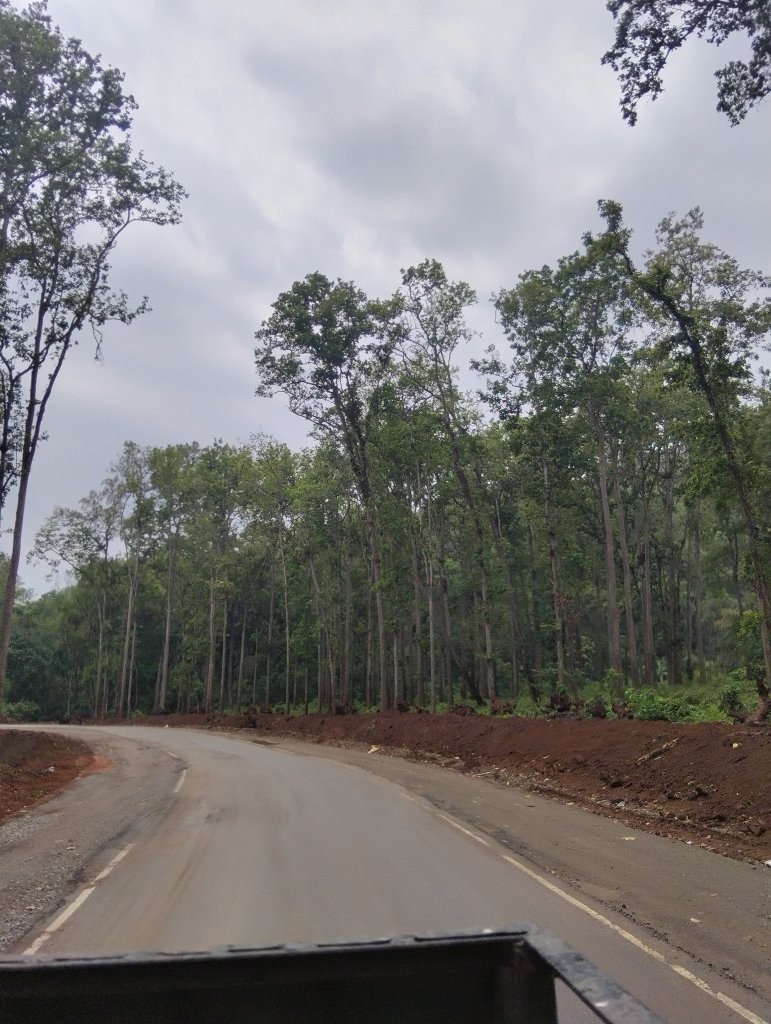
After visiting the health facility to collect forms that needed to be filled by beneficiaries, I was too tired to walk all the way home. When a truck passed by, I hitched a ride back to my village.

Taking Shelter from the Rain on the way to a Palliative Care Visit

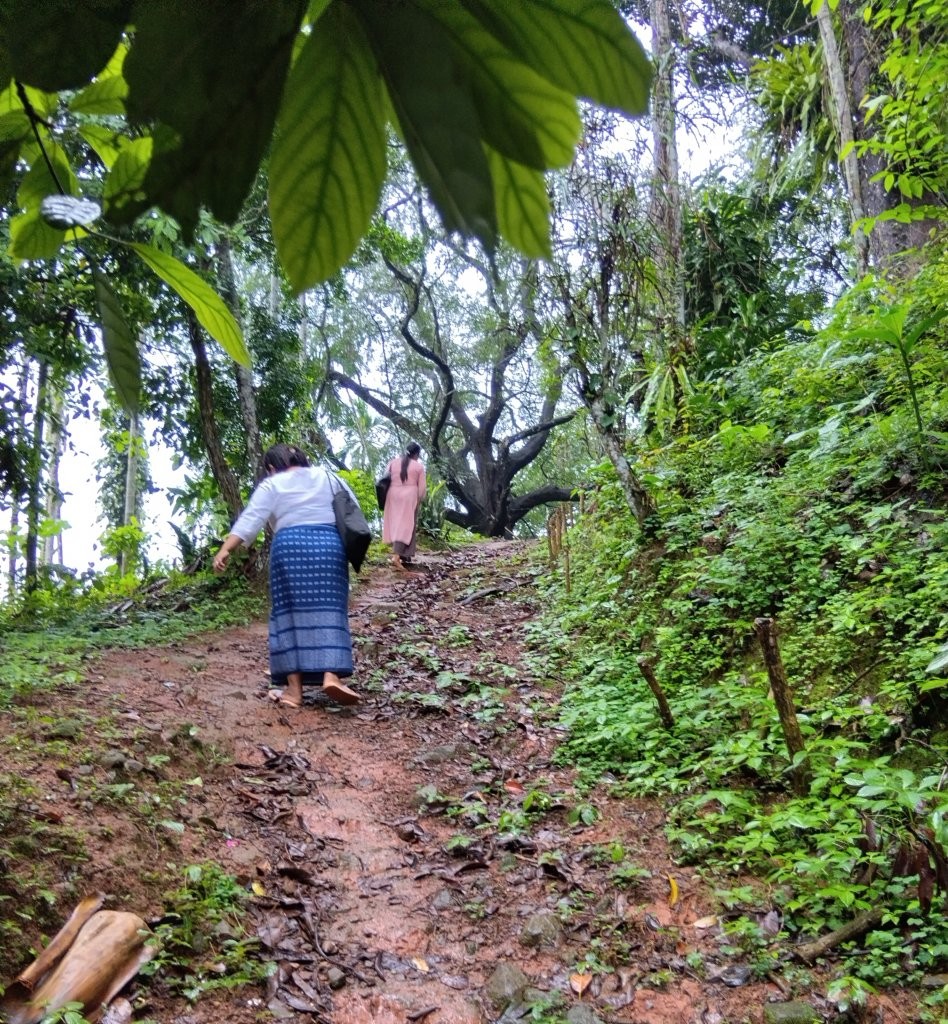
Taking Shelter from the Rain on the way to a Palliative Care Visit

It was raining heavily, so my supervisors and I took shelter in a villager's house until the weather improved. This photo was taken while our team was climbing to visit a palliative care patient. The path is narrow and slippery, making it impossible to use a vehicle to reach the patient's home.

Selling Wild Vegetables Foraged From the Fields

Selling Wild Vegetables Foraged From the Fields

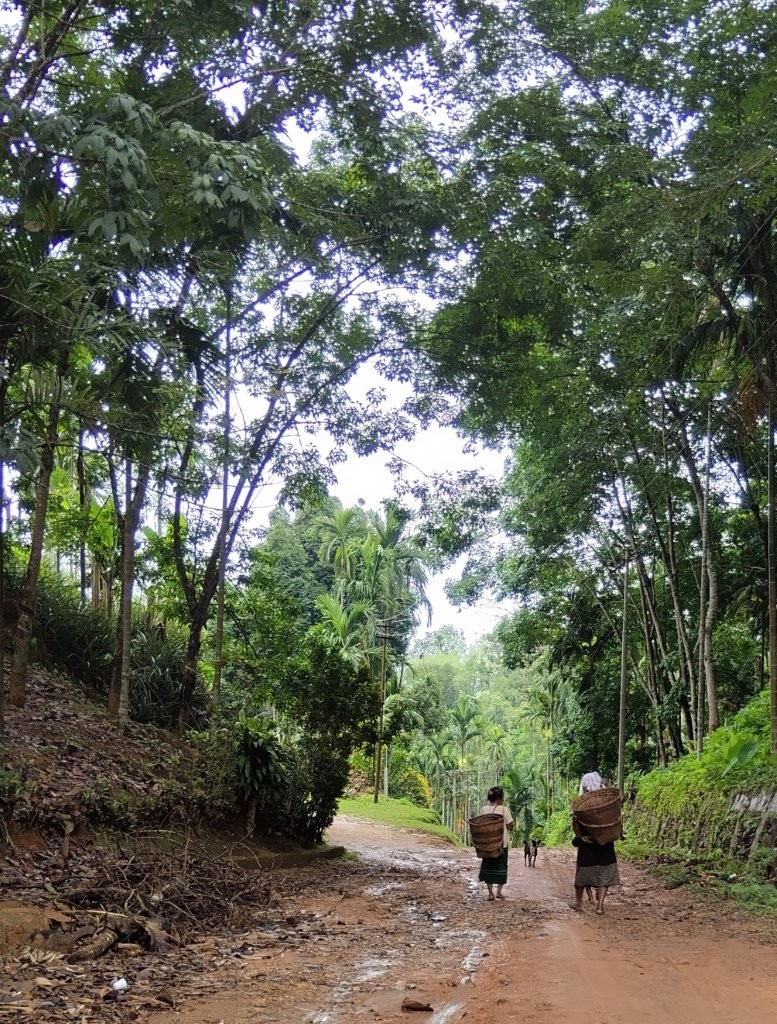
This photo shows a group of women returning from the fields carrying wild vegetables to sell along the roadside. Foraging and selling seasonal vegetables is a common source of income for many families in this area.

One of the Rare Days We had Enough Glucose Strips in the Field

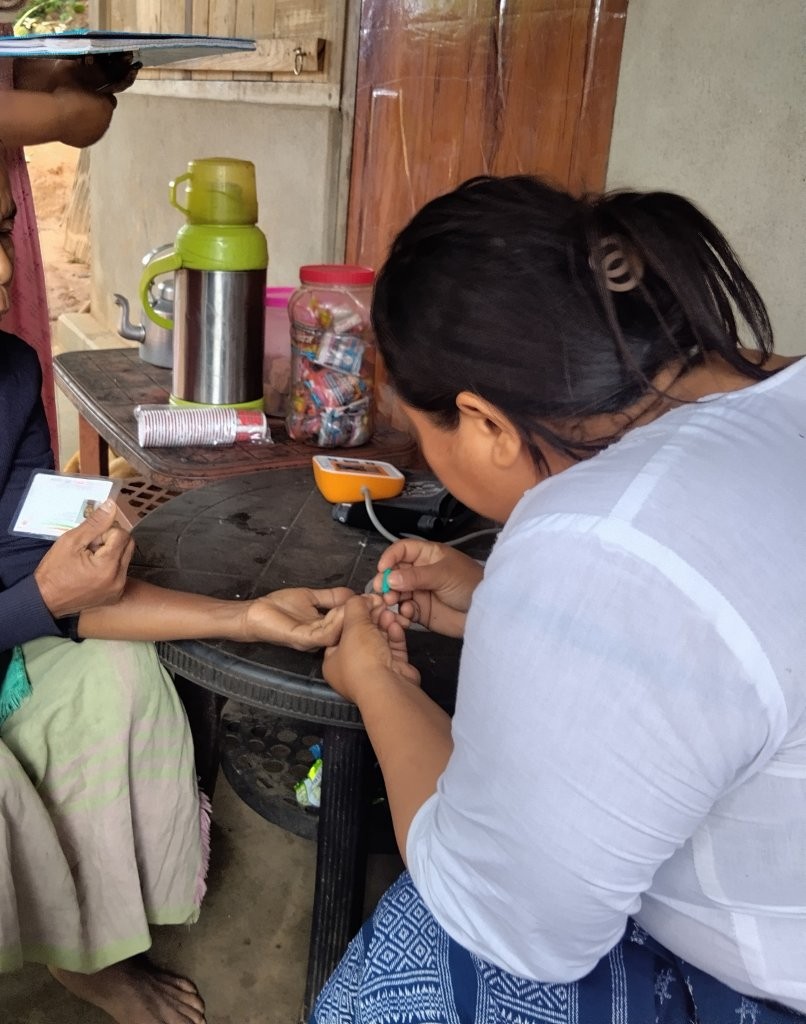
One of the Rare Days We had Enough Glucose Strips in the Field

I asked a fellow ASHA worker to take this photo while I was checking the blood glucose level of a woman in her 50s. This was one of the few occasions when we had enough glucose strips available. Sometimes supplies take a long time to arrive after being requested, which affects our ability to provide timely screening services.

Crossing the Stream and Climbing the Hill for a Newborn Visit

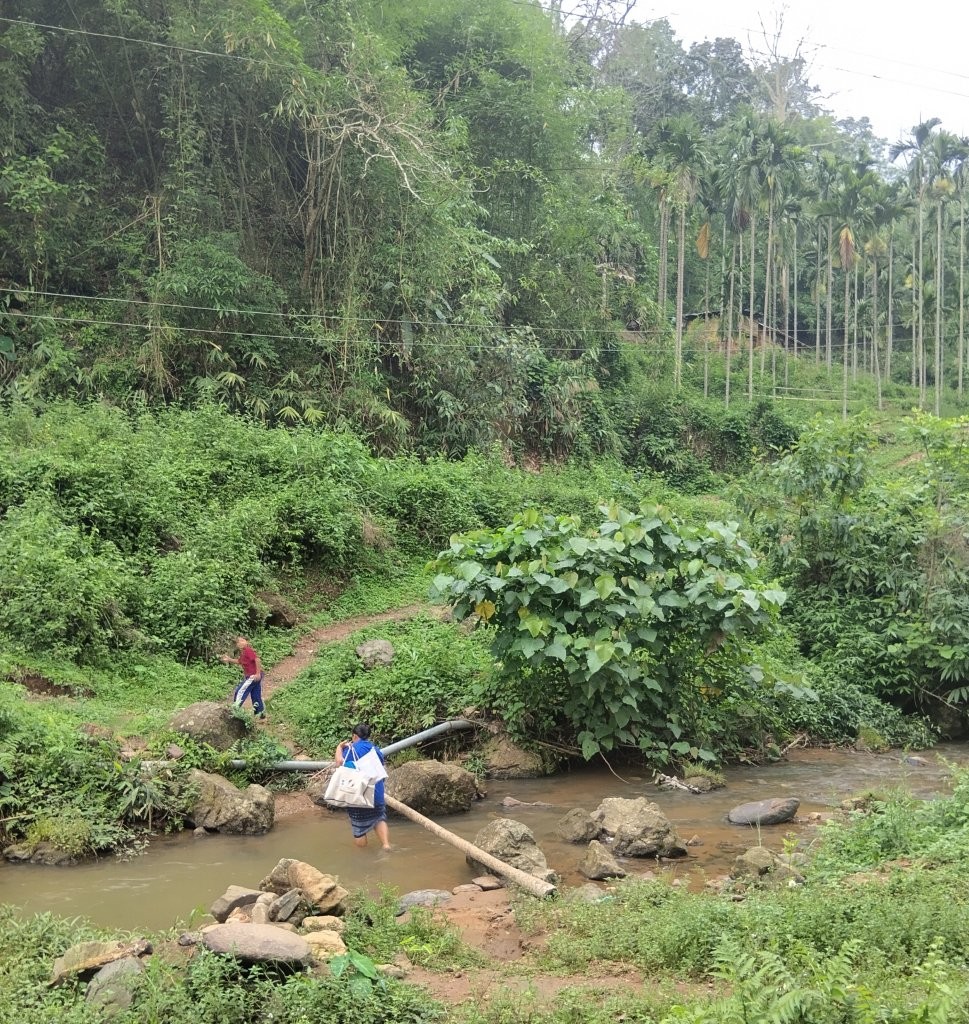
Crossing the Stream and Climbing the Hill for a Newborn Visit

I had to cross this stream to conduct a Home-Based Newborn Care visit. The family lives on the other side. The rains had stopped earlier that week, so the water current was manageable. After crossing the stream, I still had to climb up the hillside to reach the house.

When Families Trust Traditional Healers More Than Health Workers

When Families Trust Traditional Healers More Than Health Workers

This photo shows another ASHA worker during a home visit to check on an elderly woman. In this area, many older people place greater trust in traditional healers than in health workers. As a result, some delay seeking treatment until their condition becomes more serious.

A Resting Spot for us Between our Field Visits

A Resting Spot for us Between our Field Visits

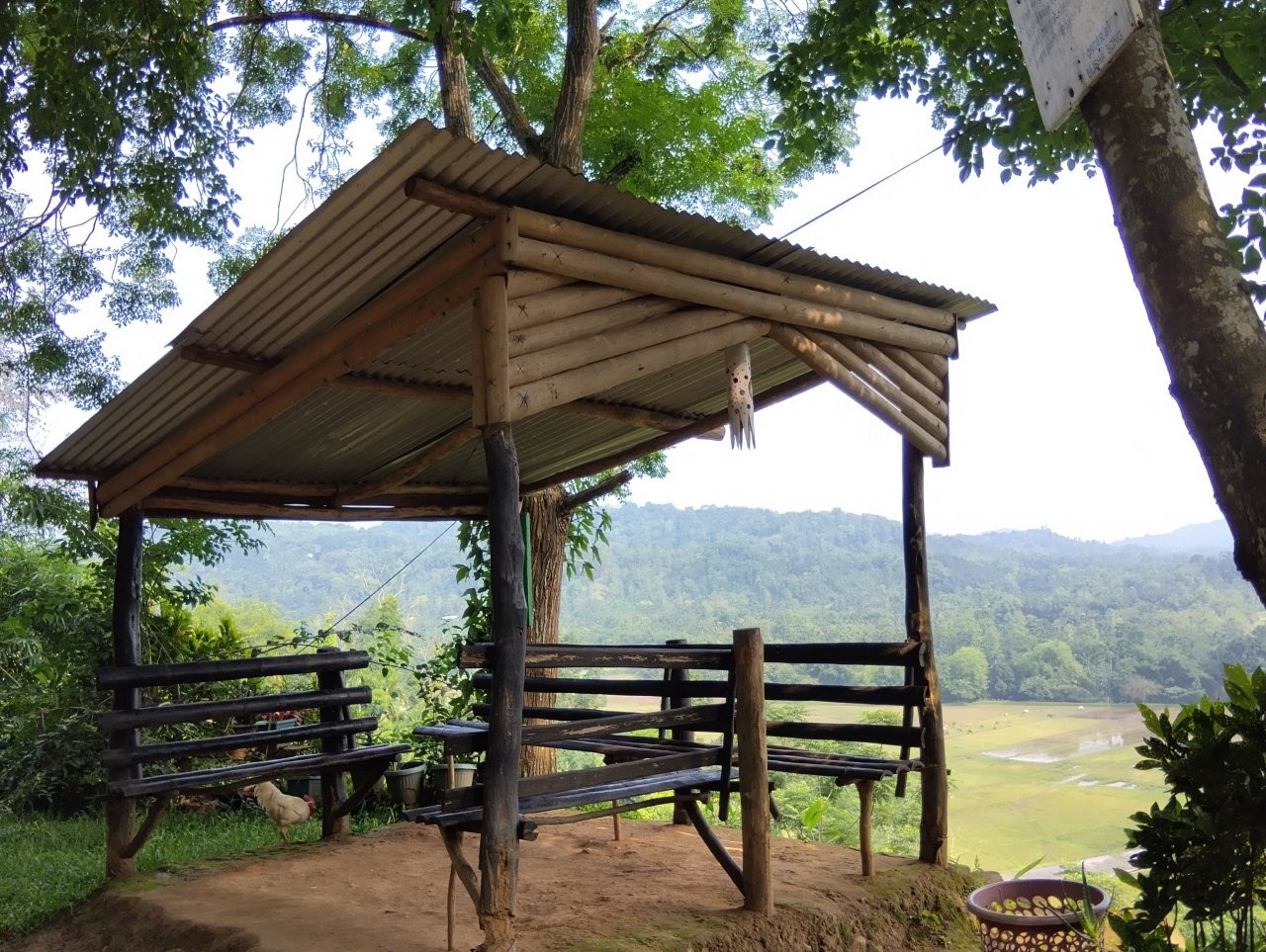
There are not many places for leisure in the area where I work, but this is one of my favorite spots. I often pass by during field visits. There is a small shelter overlooking the paddy fields, and the breeze is refreshing. It is a good place to sit and rest for a few minutes before continuing my work.

Walking Through the Pineapple Fields to Reach Patients Beyond

Walking Through the Pineapple Fields to Reach Patients Beyond

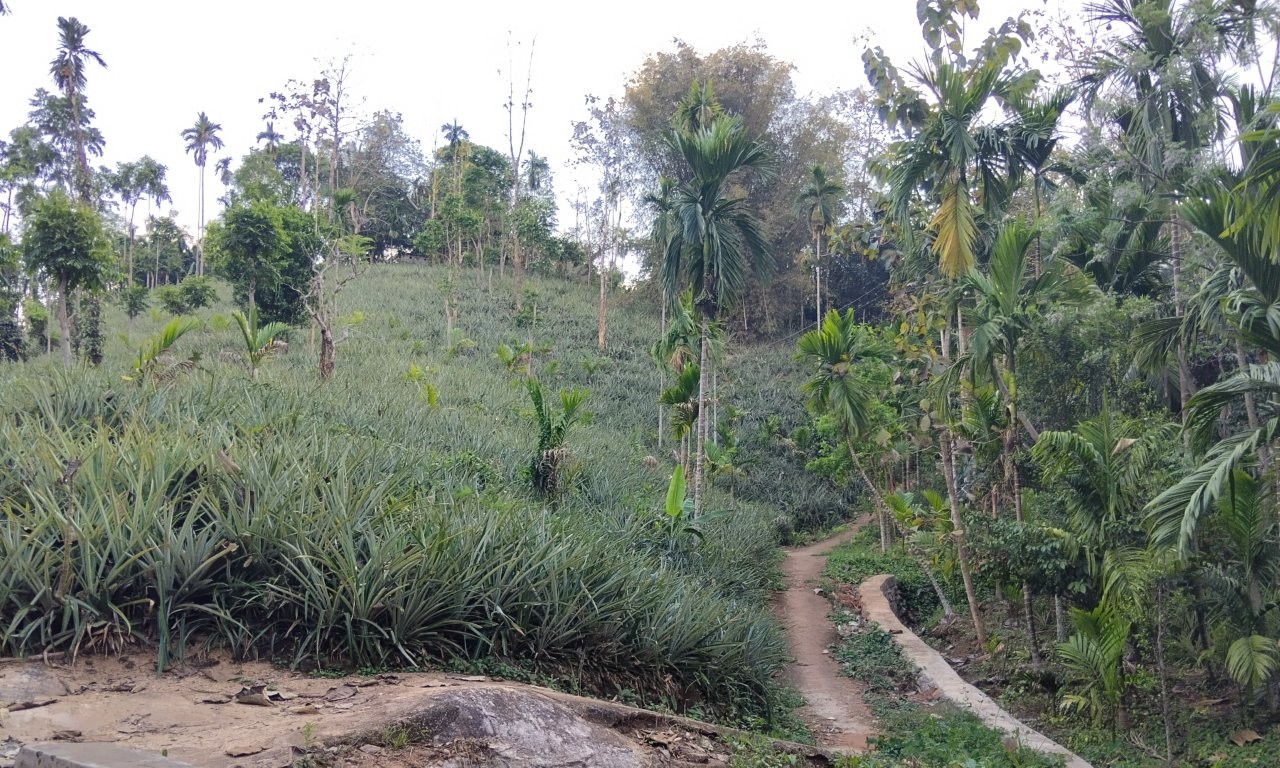
My village is known for producing sweet pineapples because the area receives ample rainfall and sunlight. However, some of the households under my catchment area are located beyond these pineapple fields. To reach them, I have to walk through the plantations, and during the monsoon season the paths become slippery and difficult to navigate.

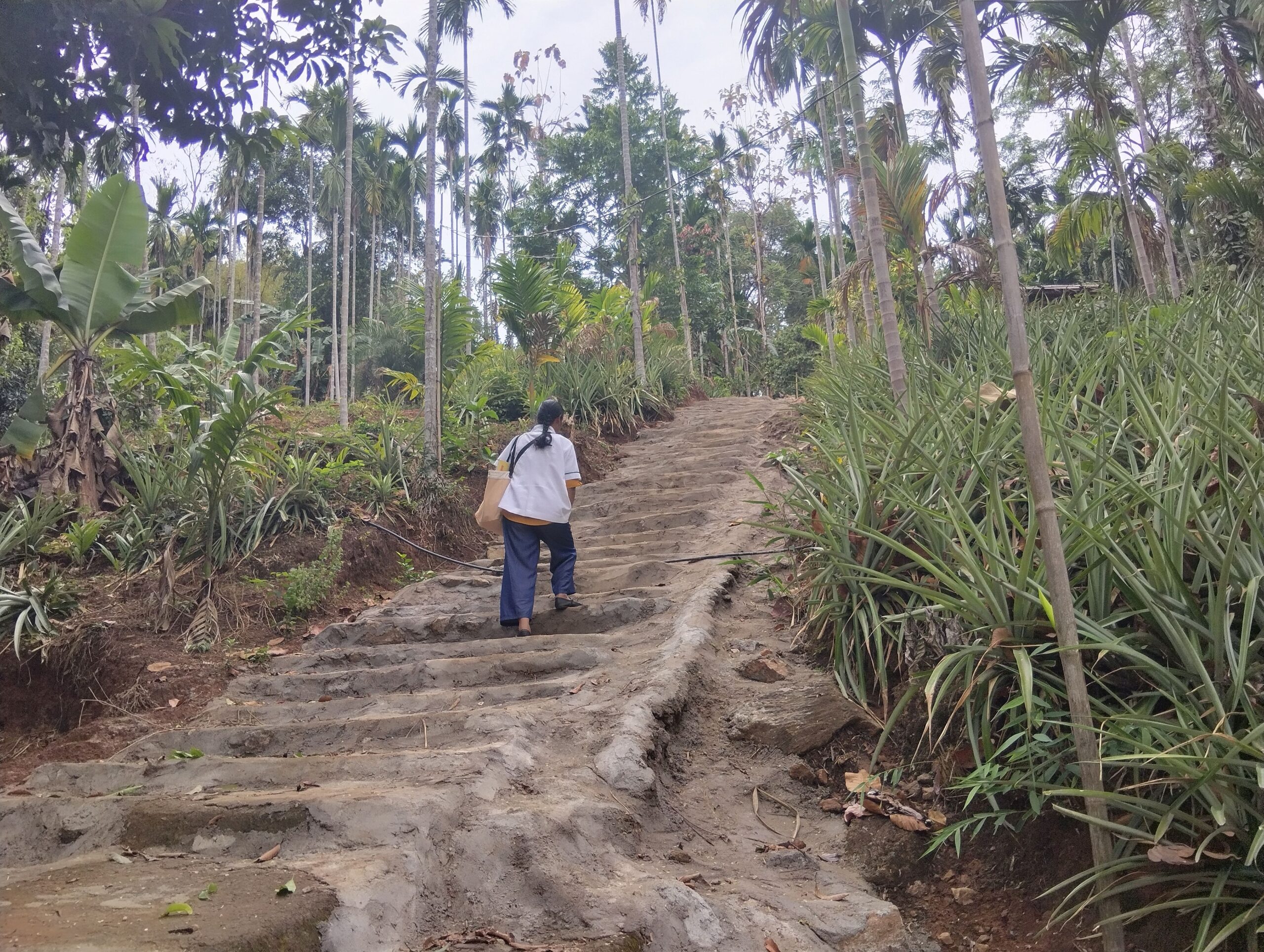
Climbing a Long Flight of Steps for a Newborn Care Visit

Climbing a Long Flight of Steps for a Newborn Care Visit

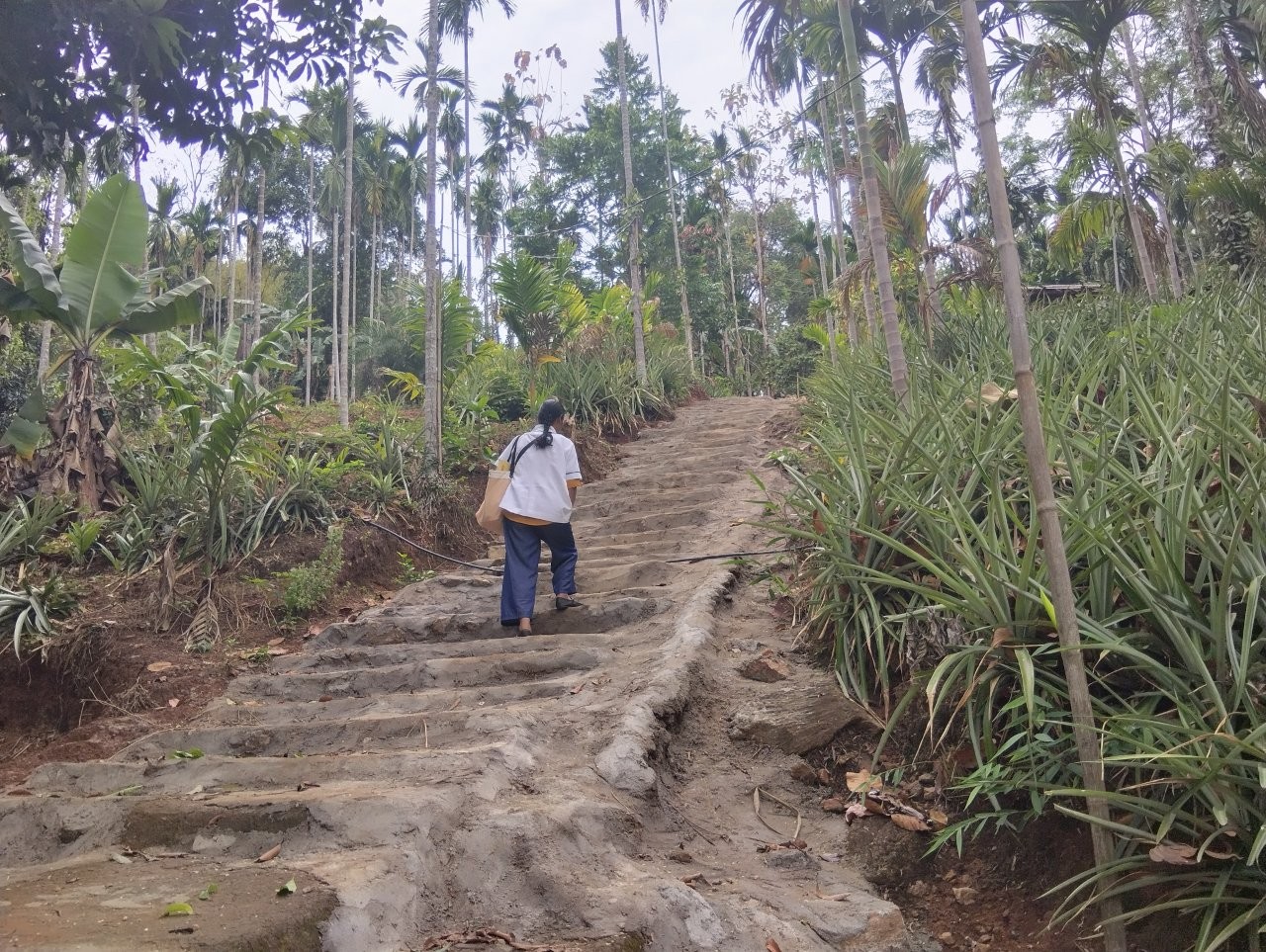
My colleague climbs a long flight of steps to conduct a Home-Based Newborn Care visit. The terrain is steep and many families do not have access to transportation. Rather than expecting mothers and newborns to travel to the facility, we often travel to their homes to provide care and follow-up services.

1 / 18

Caring for Rural Villagers in West Africa

These photos were captured by an AFHE Senior Fellow and three project volunteers in a West African country. The Senior Fellow runs a nonprofit that provides healthcare services to rural villages in the country. The organization also strengthens rural health systems by rehabilitating health facilities, installing solar-powered water and electricity systems, supporting community health workers and expanding access to digital health services in underserved communities. These remote regions have traditionally suffered from a lack of healthcare facilities, unreliable transportation, and inadequate infrastructure to seek care elsewhere. Together with limited access to clean water, shortages of healthcare workers, geographic isolation, and unreliable electricity, villagers are left with a plethora of health inequities, including delayed access to emergency and maternal healthcare, preventable waterborne diseases, low access to preventive health services, childhood vaccine inequities, and poor health outcomes associated with geographic isolation. While inequities still exist, this Senior Fellow’s work has restored access to primary healthcare for previously underserved communities by establishing a functional health facility, improving access to clean water through solar-powered systems, introducing telemedicine, and strengthening community outreach services.
When a Health Facility Stops Serving Its Community

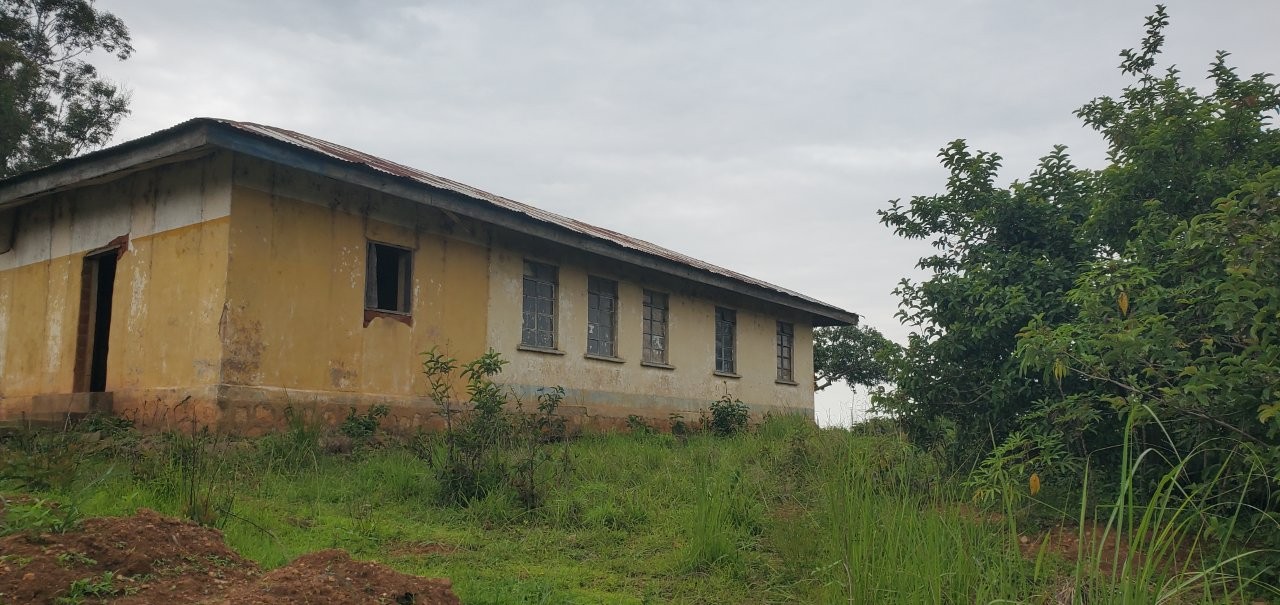
When a Health Facility Stops Serving Its Community

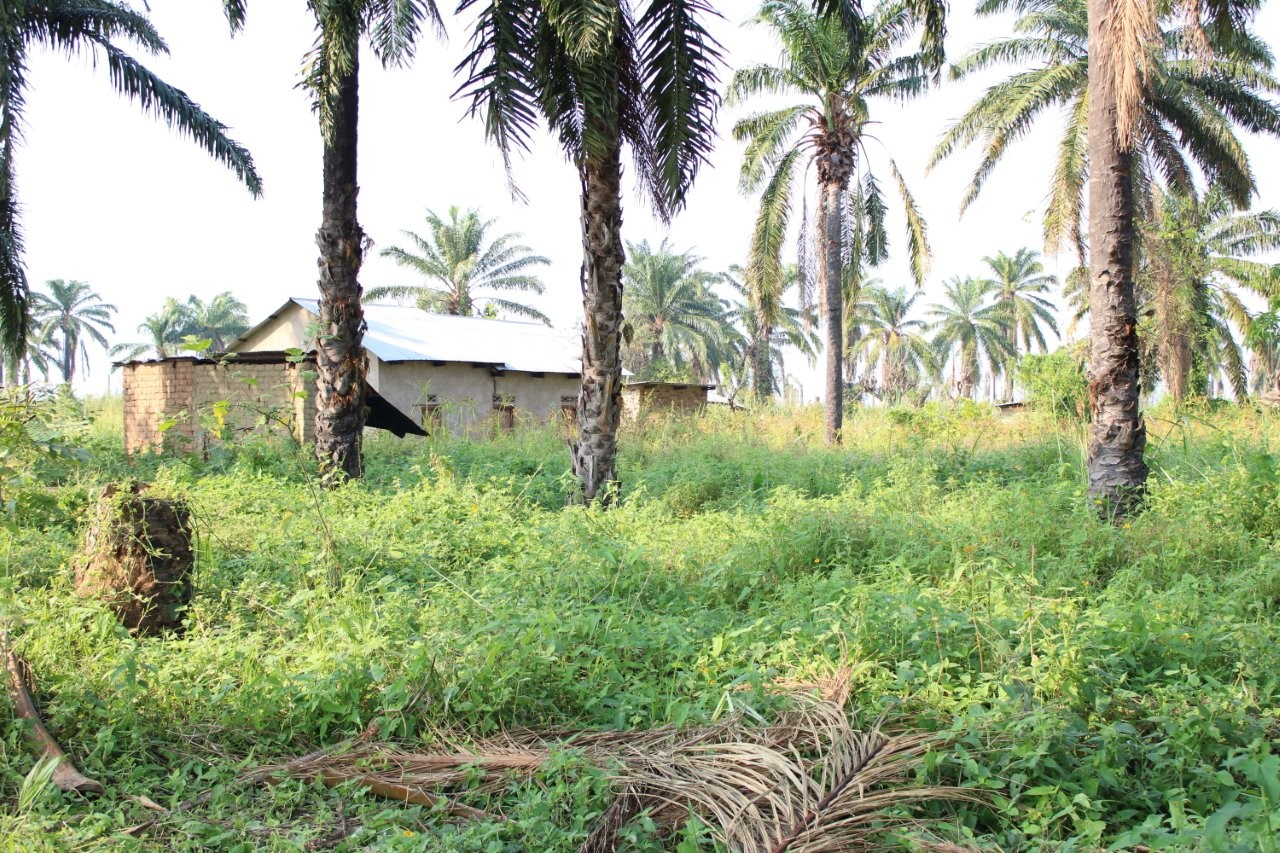
This abandoned health facility represents more than an empty building; it reflects a community that lost access to essential healthcare close to home. When health services are unavailable or neglected, people must travel farther for care, delaying treatment and increasing the risks for pregnant women, children, older adults, and anyone needing urgent medical attention. This image reminds us that achieving health equity requires more than constructing health facilities; it requires sustained investment to ensure they remain functional, accessible, and able to serve the communities that depend on them.

1 / 10
A Bridge Between Life and Care

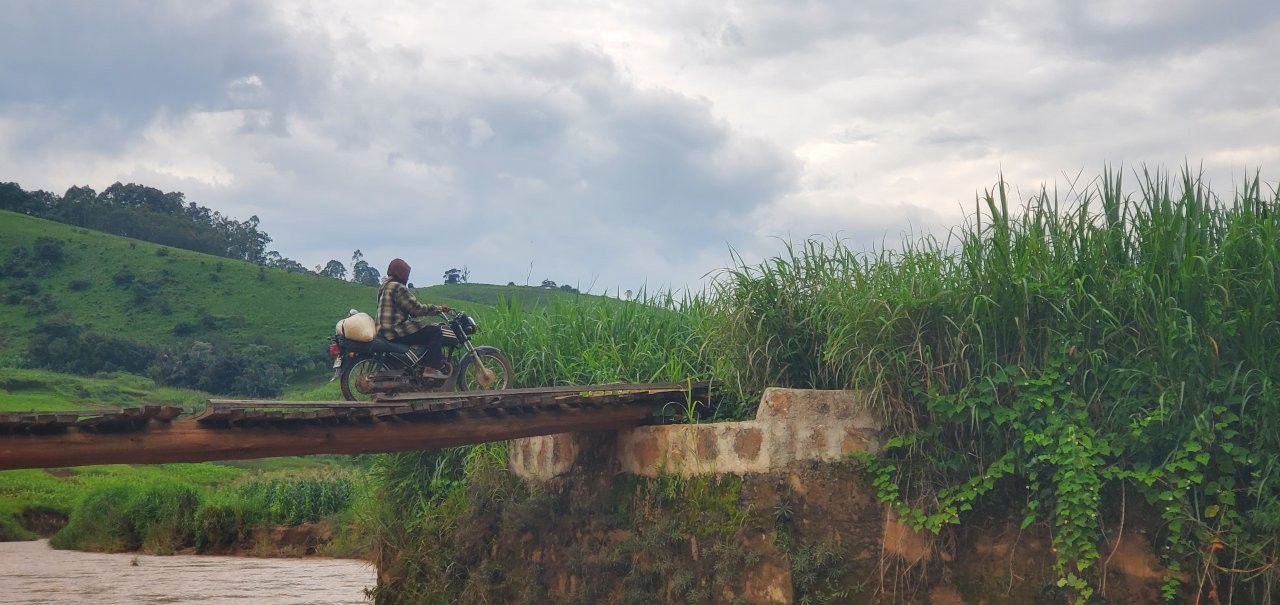
A Bridge Between Life and Care

This narrow wooden bridge is the only route connecting this community to the nearest town where many residents seek antenatal care, emergency services, and other essential healthcare. During the rainy season, flooding can damage or wash away the bridge, leaving pregnant women, people with medical emergencies, and entire families cut off from life-saving care. This image reminds us that health equity depends not only on the availability of health services, but also on safe, reliable infrastructure.

2 / 10
When the Journey to Healthcare Begins with a River

When the Journey to Healthcare Begins with a River

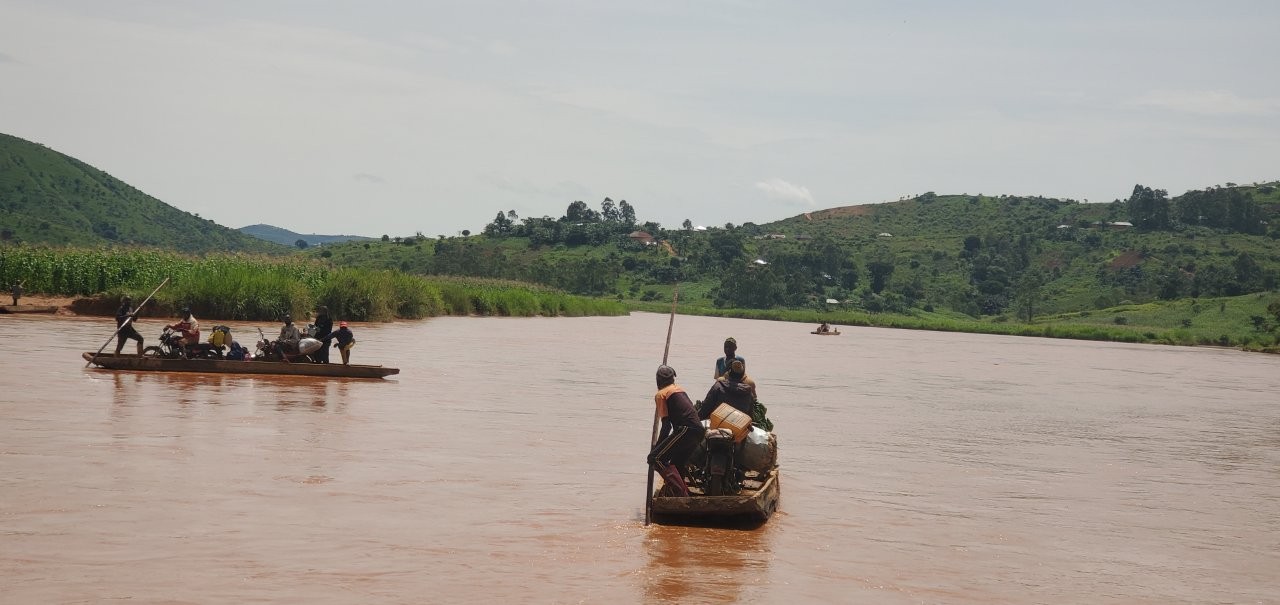
For many residents of this community, reaching advanced medical care begins with crossing this river by wooden boat before continuing the journey to the nearest general hospital. During emergencies, bad weather, or at night, this crossing can delay life-saving treatment and place pregnant women, sick children, and critically ill patients at even greater risk. This image reminds us that health equity is not only about having health services, but also about ensuring that people can reach them safely.

3 / 10
Building Hope Through Accessible Healthcare

Building Hope Through Accessible Healthcare

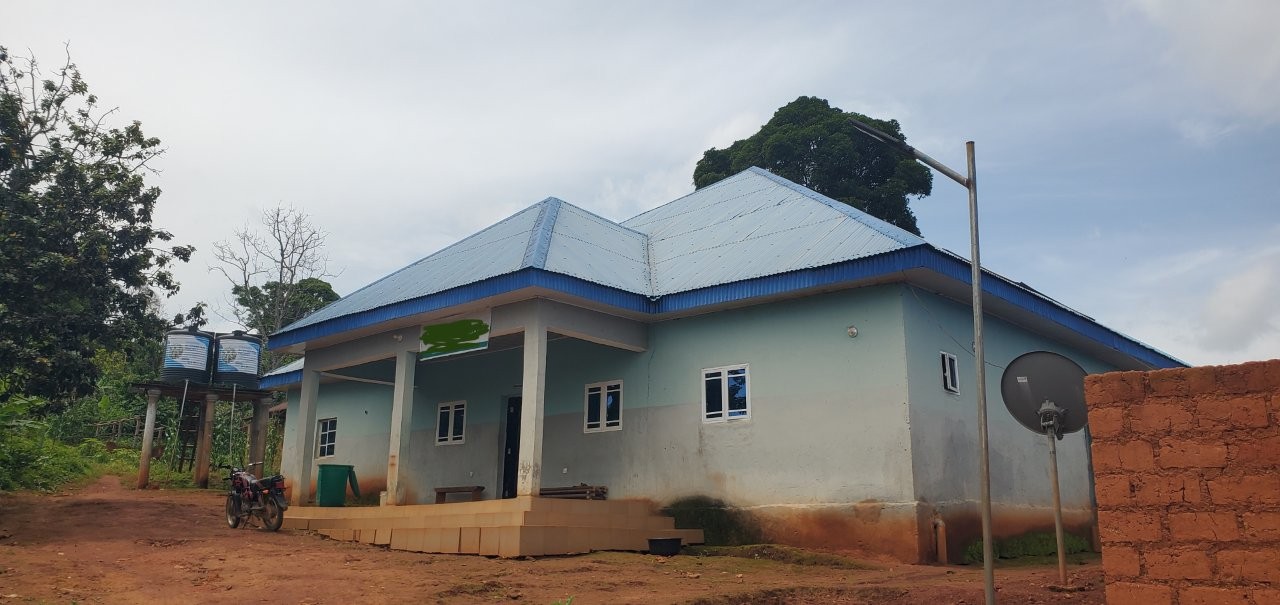
This health facility was established to restore essential healthcare services for communities that have lost access to a functional primary care center. With reliable solar-powered electricity, clean water, and internet connectivity that supports telemedicine, it brings life-saving services closer to people while reducing the need for long and difficult journeys for basic care. This image shows that investing in resilient, community-based health infrastructure can help narrow health inequities and ensure that even remote communities have a better chance to live healthy lives.

4 / 10
Bringing Healthcare Closer to Every Home

Bringing Healthcare Closer to Every Home

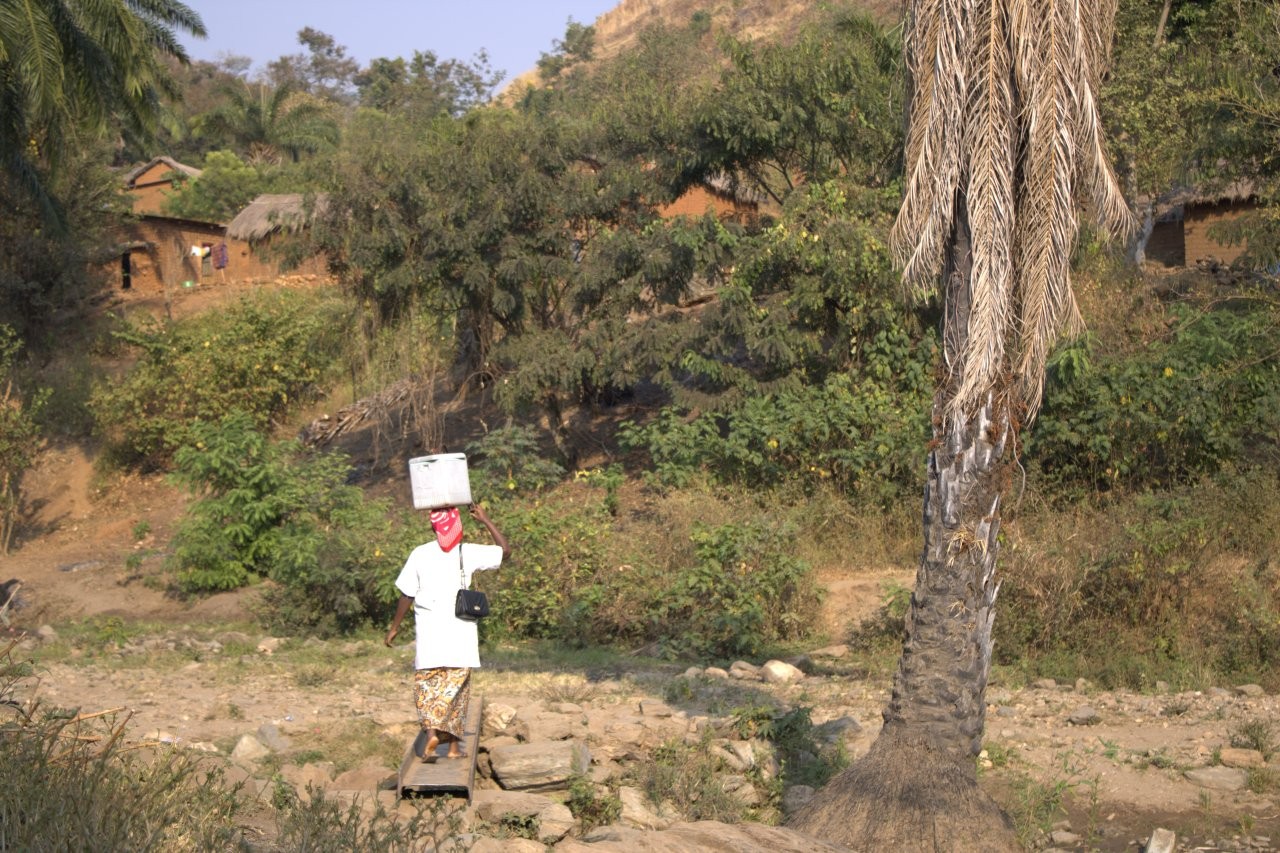
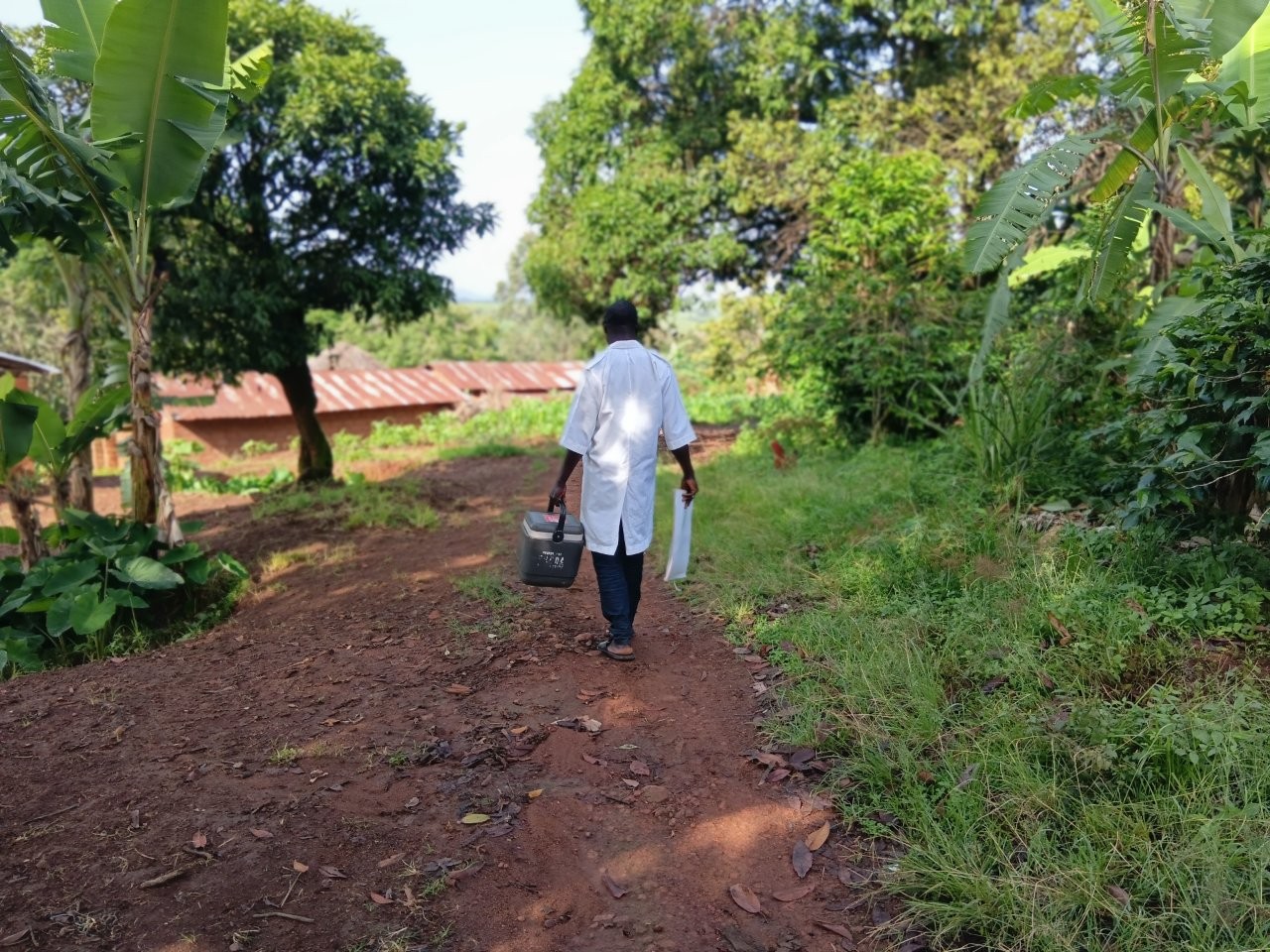
This community health worker is walking to an outreach session to provide immunization and other essential health services in a remote village where access to healthcare remains challenging. By bringing preventive care directly to communities, community health workers help ensure that distance, difficult terrain, and limited transportation do not prevent families from receiving life-saving services. This image reminds us that achieving health equity depends not only on health facilities, but also on dedicated people who connect underserved communities to care.

5 / 10
Harnessing the Sun for Health

Harnessing the Sun for Health

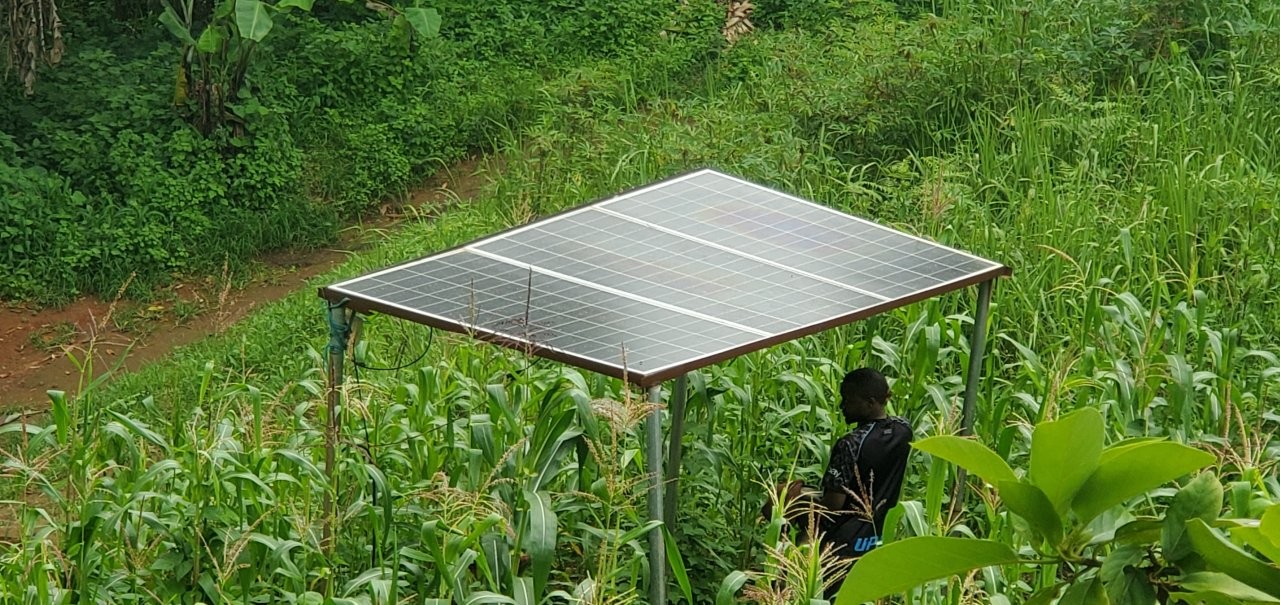
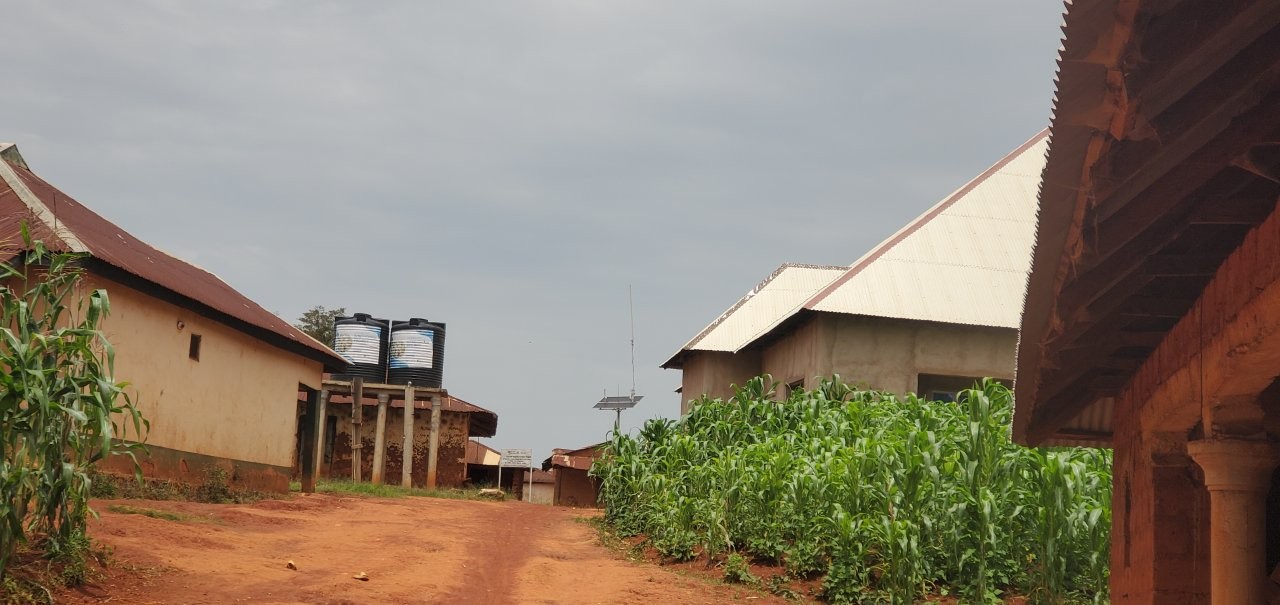
This solar-powered system provides reliable energy to pump clean water for the community, replacing dependence on unsafe water sources and unreliable power. Access to safe water helps prevent waterborne diseases, supports hygiene, and strengthens the delivery of essential health services, especially in remote areas where public utilities are unavailable. This image demonstrates that investing in sustainable infrastructure can reduce health inequities by ensuring communities have the basic resources they need to live.

6 / 10
Clean Water Powered by the Sun

Clean Water Powered by the Sun

This solar-powered water storage system provides a reliable supply of clean water for households in a rural community where access to safe water was once limited. Reliable access to clean water helps prevent waterborne diseases, supports hygiene, and improves the community's overall health and well-being without relying on an unreliable electricity supply. This image shows that sustainable investments in basic infrastructure can reduce health inequities by ensuring that remote communities have access to one of the most fundamental requirements for good health.

7 / 10
When Unsafe Water Becomes the Only Choice

When Unsafe Water Becomes the Only Choice

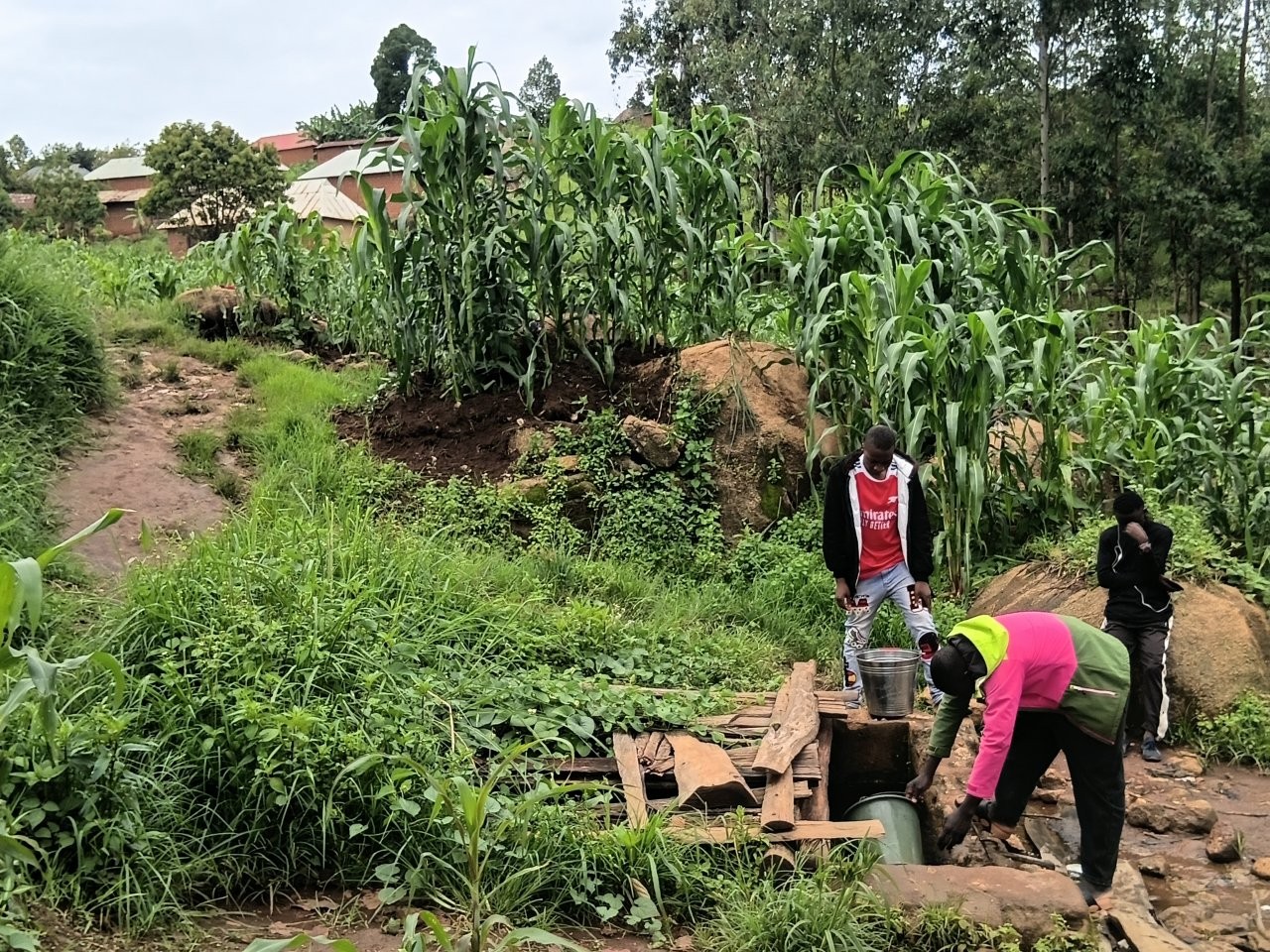
For many households in the community, this unprotected water source is one of the few available options for daily use despite the risk of contamination. Reliance on unsafe water increases the burden of preventable diseases, placing children, older adults, and other vulnerable community members at greater risk while adding pressure to already limited health services. This image reminds us that health equity extends beyond healthcare facilities — it also depends on ensuring that every community has reliable access to safe, clean water.

8 / 10
Taking Prevention to the Community

Taking Prevention to the Community

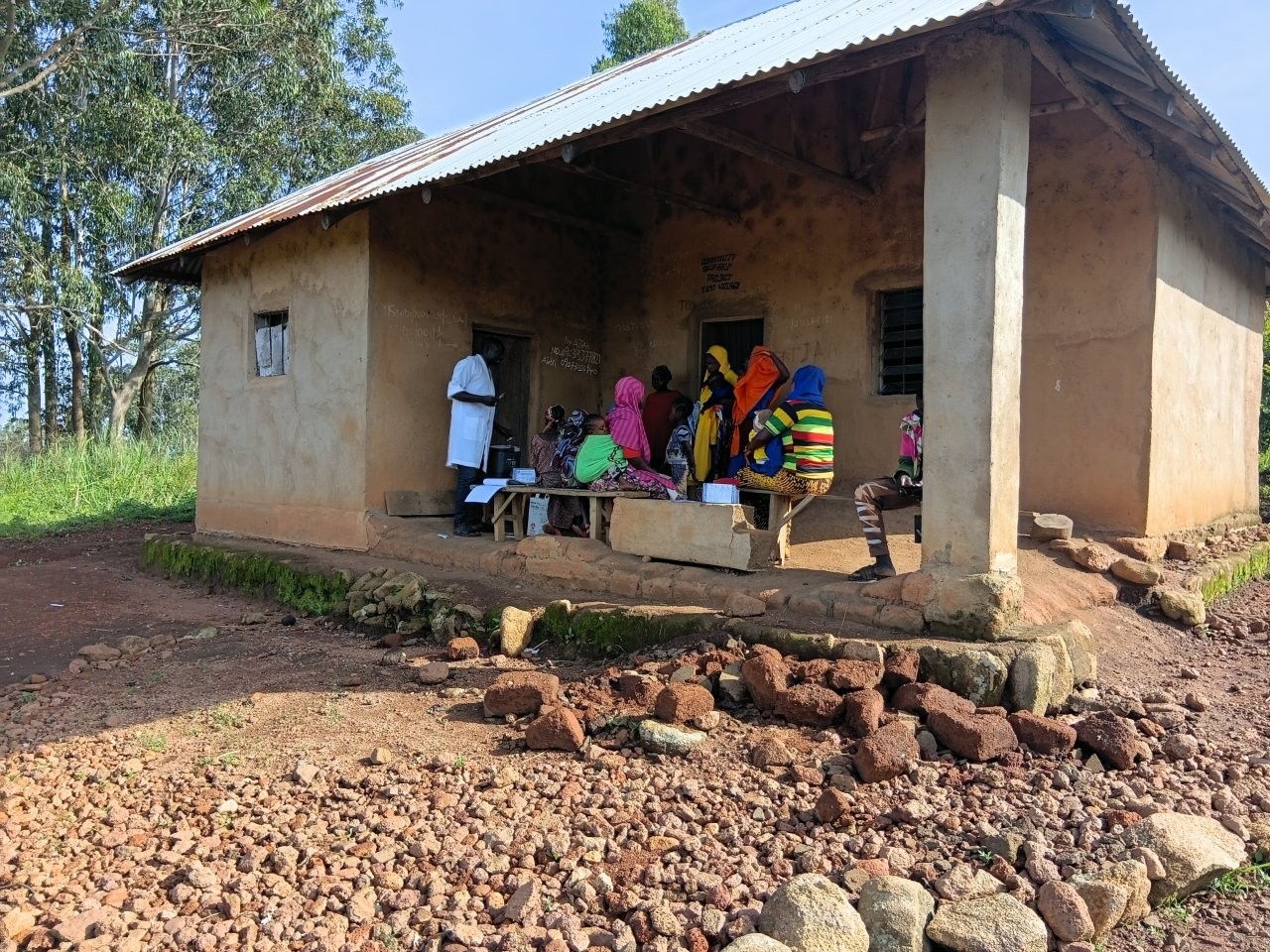
This outreach session brings immunization and other essential preventive health services directly to people in a remote village, reducing the need for long and costly journeys to a health facility. Community-based outreach helps ensure that distance, transportation challenges, and limited resources do not prevent families from receiving lifesaving care. This image shows that achieving health equity requires meeting people where they are and strengthening community-based services so that no one is left behind.

9 / 10
The Long Walk to Opportunity

The Long Walk to Opportunity

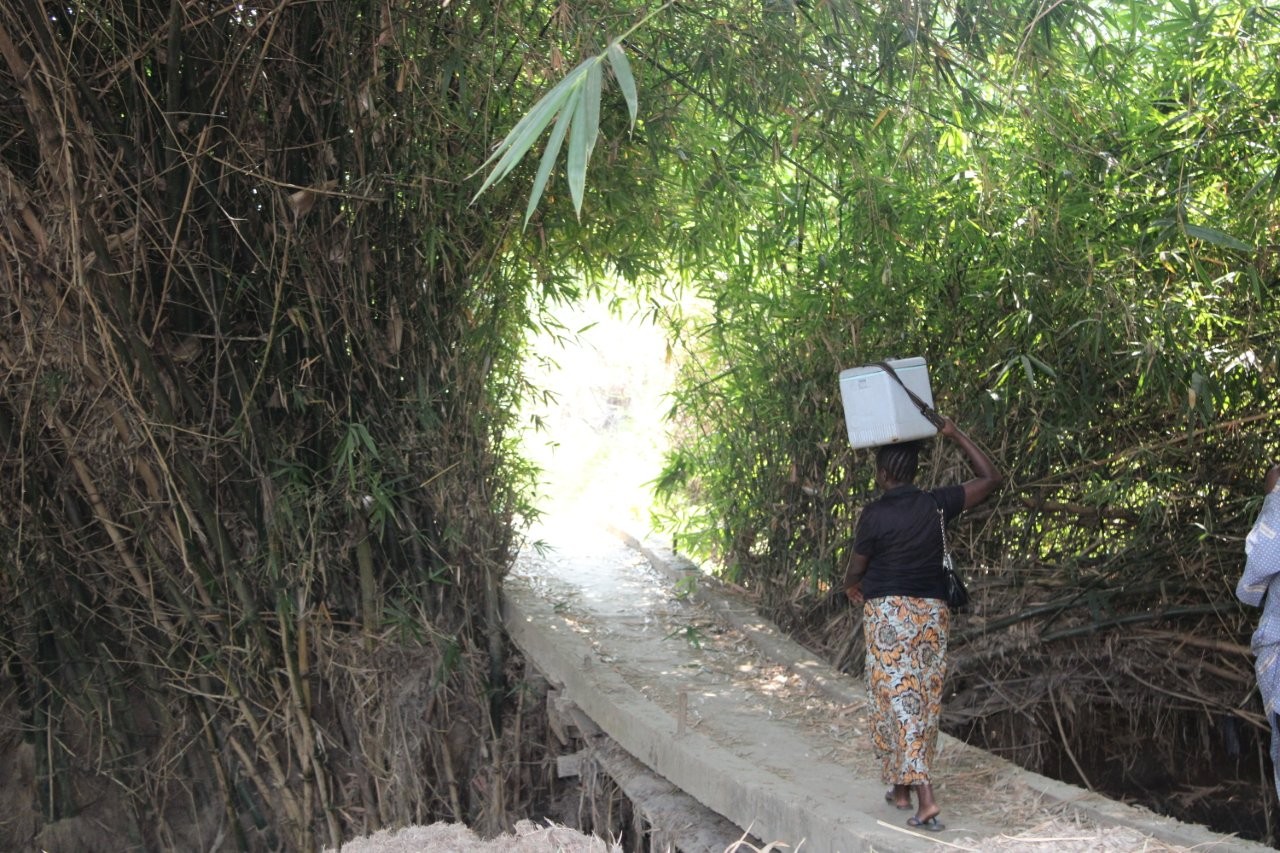
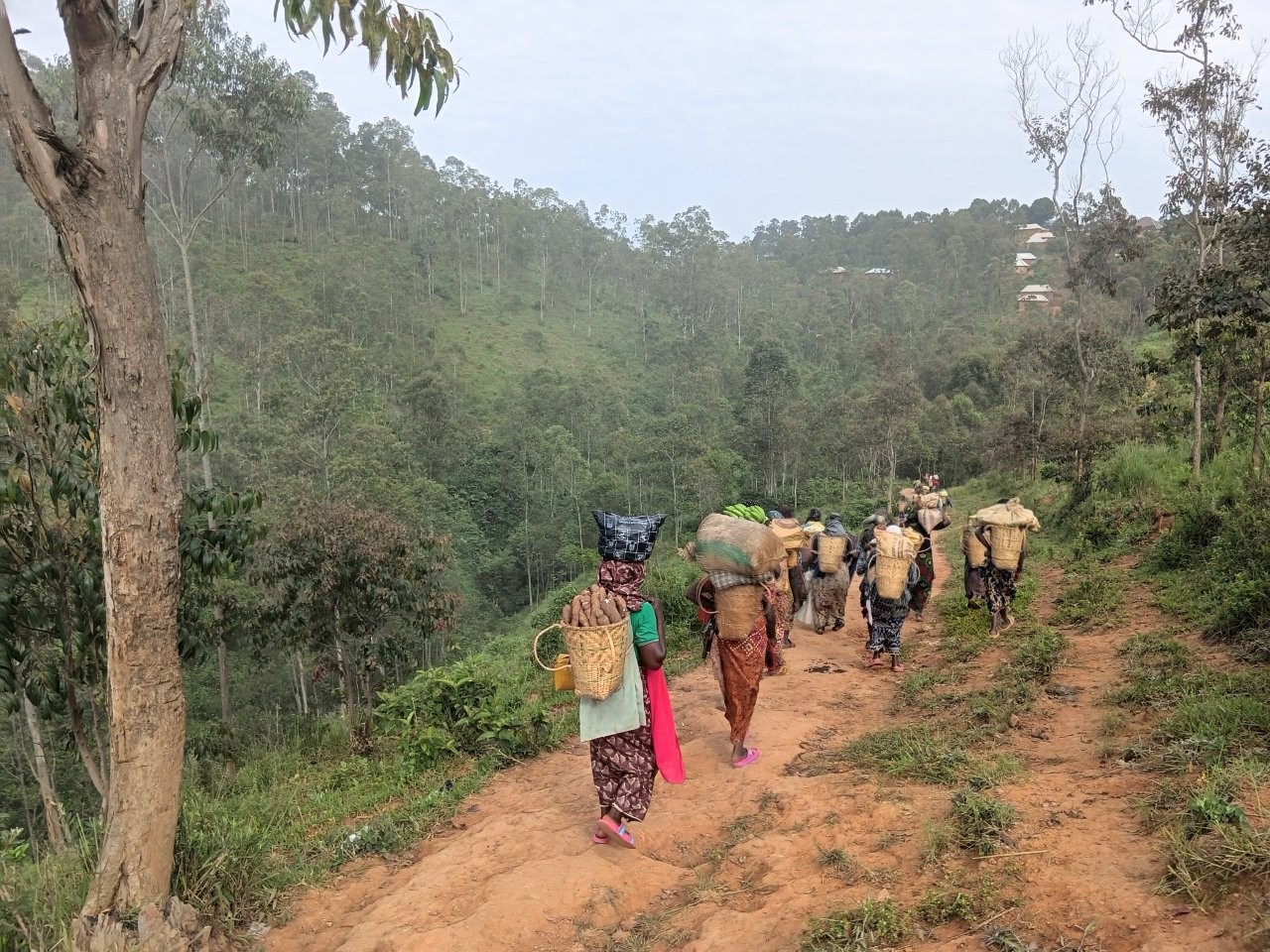
Residents of remote communities walk long distances over difficult terrain, carrying farm produce to the nearest town because the roads are not accessible by vehicles. Along the journey, they must also cross a river in a narrow wooden canoe, making travel physically demanding and sometimes dangerous, especially during the rainy season. Limited transportation infrastructure affects livelihoods, delays access to healthcare and deepens health inequities by making even the most basic services and economic opportunities difficult to reach.

10 / 10

Exposing Predatory Tobacco Marketing in the Southeastern U.S.

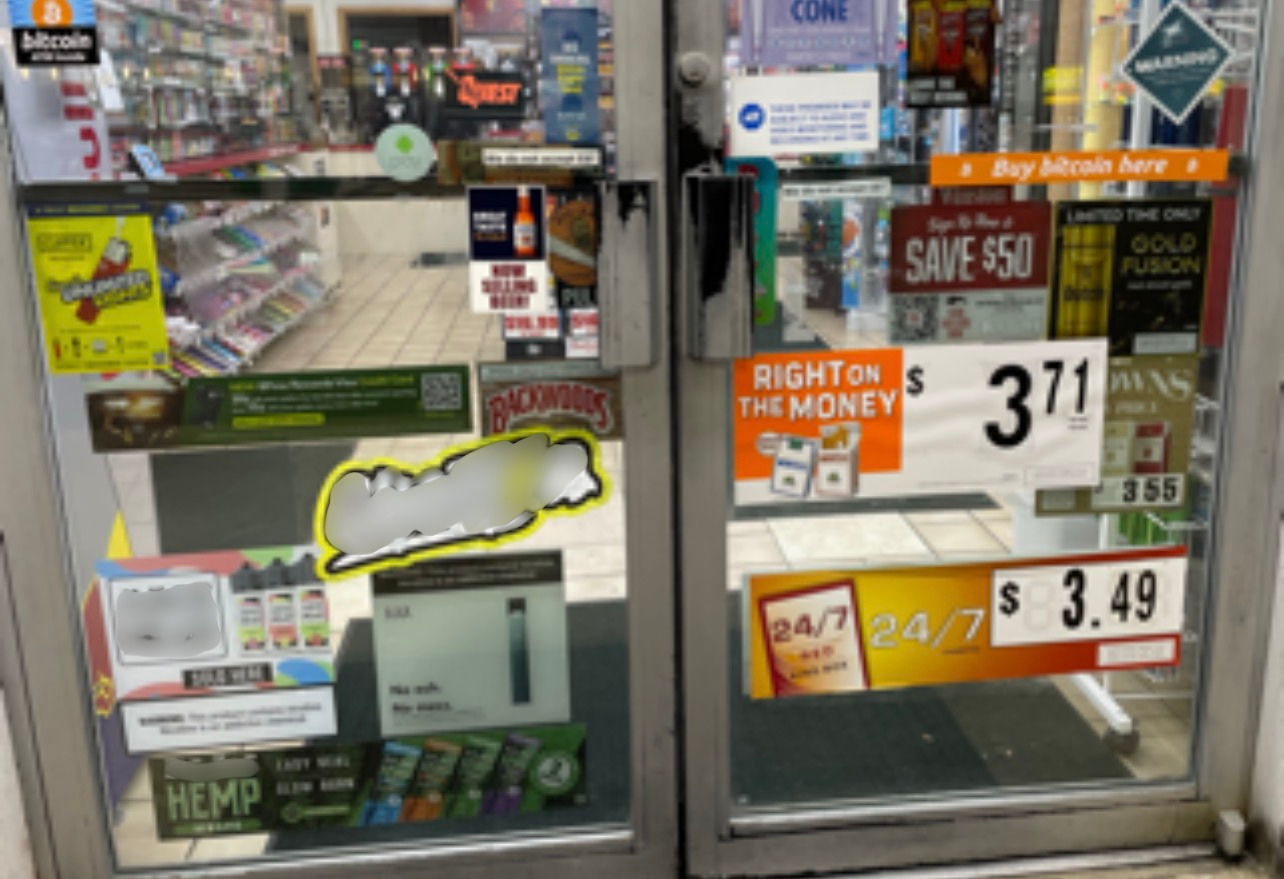
These photos were taken by an AFHE Senior Fellow, a Community Engagement Specialist, and a Community Health Worker in a rural area of the southeastern United States. Once a thriving city, this community has suffered from urban blight, racial violence, and inequitable policies. This AFHE Senior Fellow has worked with the local community to document the tobacco industry’s predatory marketing practices to youth in their community. Many products manufactured by the tobacco industry, including electronic smoking products like vaping devices, contain nicotine, which is highly addictive. Furthermore, electronic products are often designed to target young adults through their packaging, advertisements, price promotions, “fun” flavors, and ubiquity in locales frequented by young people. Racial minority youth, and those from low-income households are particularly preyed upon. The photos displayed here depict these predatory practices and demonstrate the ongoing health inequities faced by rural communities in the U.S., as well as the power of advocacy for change.

Targeting Youth with Vibrant Design

Targeting Youth with Vibrant Design

Predatory marketing by the tobacco industry involves intentionally targeting vulnerable populations with aggressive advertising for addictive products. Bright neon colors are used on vapes, and their packaging is in vibrant pinks, greens, purples and blues to attract children.

Clustering Around Youth Spaces

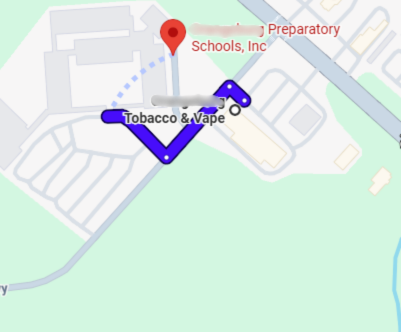
Clustering Around Youth Spaces

Tobacco companies design products to be appealing to youth and then aggressively market them in spaces where youths congregate, such as schools. Tobacco and e-cigarette retailers frequently cluster around middle and high schools, utilizing aggressive price promotions and window displays to target students. This image shows a tobacco and vape shop less than a minute's drive apart.

Fruity Flavors and Hidden Risks

Fruity Flavors and Hidden Risks

Sweet and fruity flavors make it easier for beginners to start inhaling nicotine. While long-term health effects are not fully understood, it has been established that they generate toxic substances, some of which are known to cause cancer and some that increase the risk of heart and lung disorders. Use of e-cigarettes can also affect brain development, potentially leading to learning and anxiety disorders for young people.

Playful Displays as Marketing Tactics

Playful Displays as Marketing Tactics

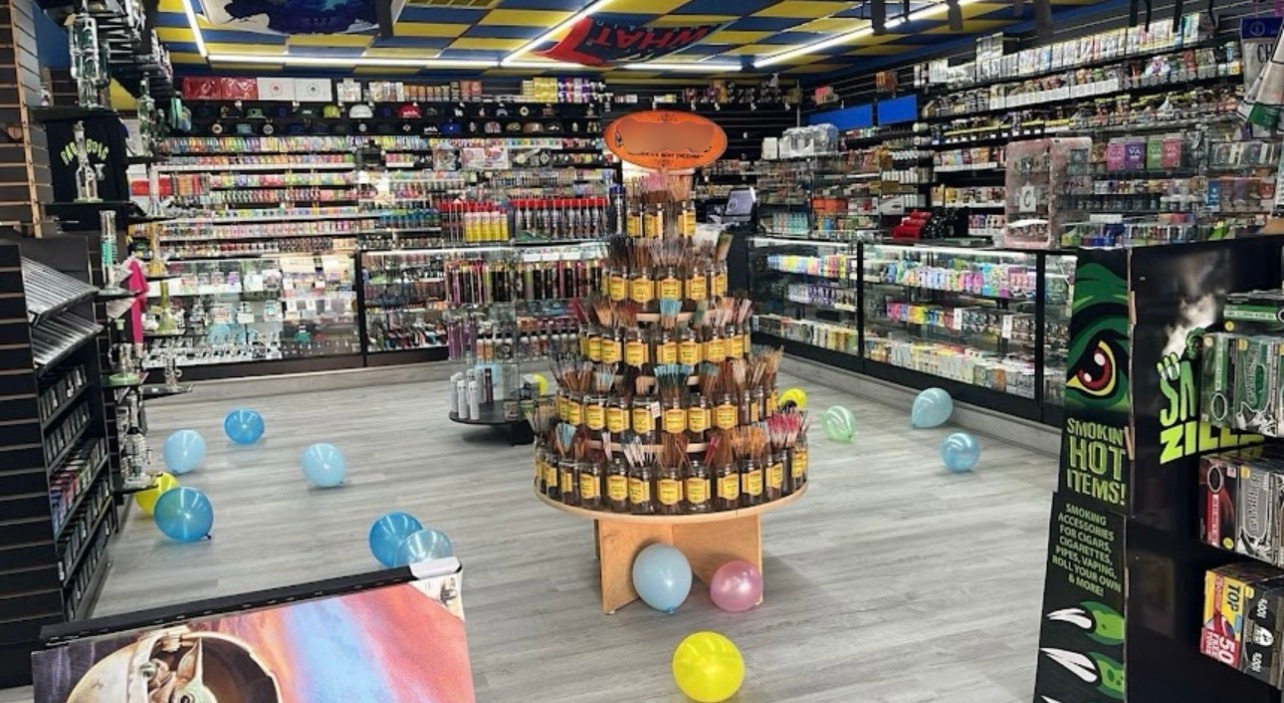
Balloons are a predatory tactic used by the tobacco and nicotine industries to bypass parental suspicion, skirt advertising bans, and visually appeal to youth. Tobacco companies use branded balloons, inflatable mascots, and colorful point-of-sale displays.

Normalizing Tobacco at Eye Level

Normalizing Tobacco at Eye Level

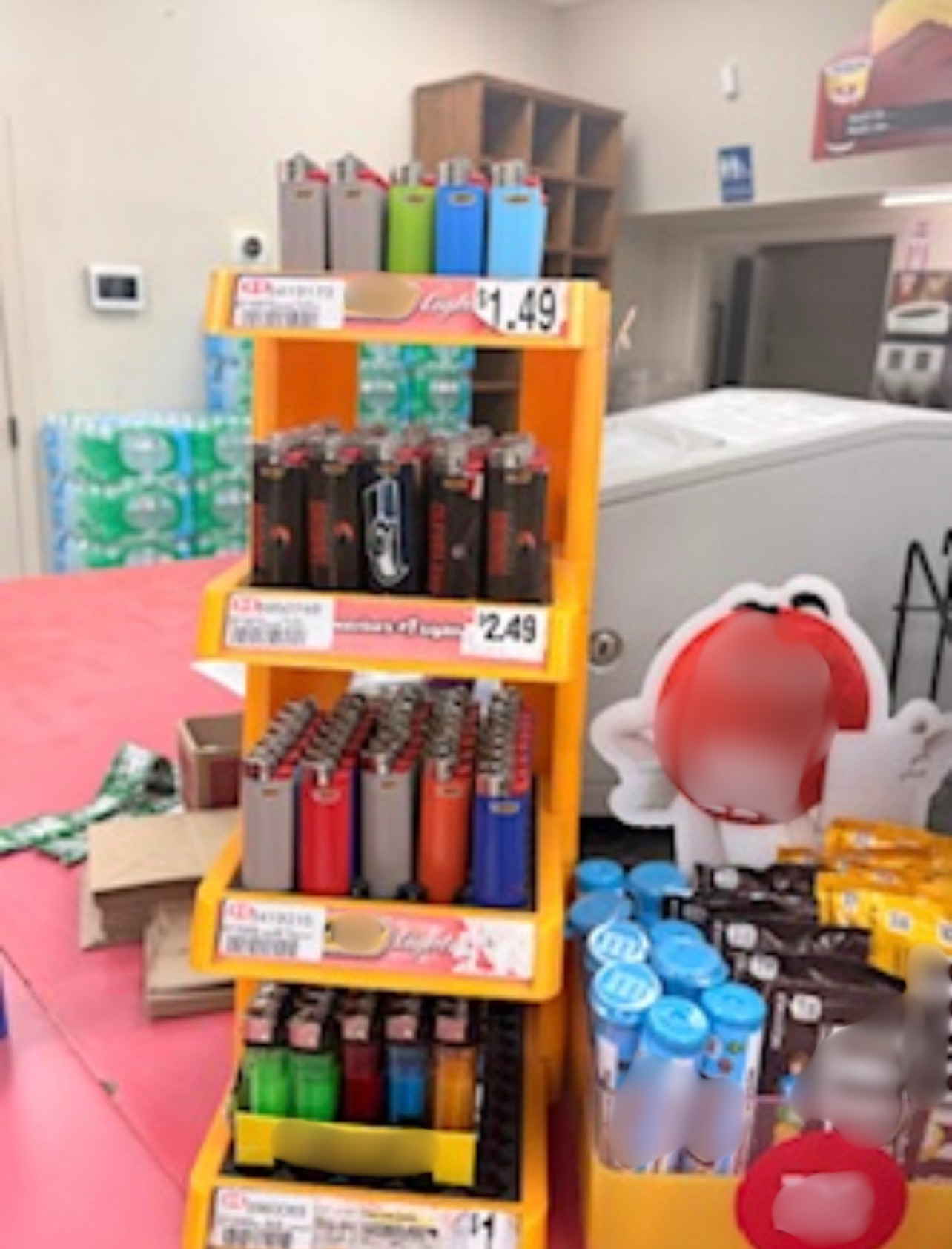
Point-of-sale, eye-level displays for tobacco-related products are placed near cash registers, near candy. This may normalize and imply harm reduction for tobacco-related products.

1 / 5
I Accept

This site uses cookies to offer you a better browsing experience. If you continue using our website, we'll assume that you are happy to receive all cookies on this website and you agree to our Privacy Policy .